Stearic acid
Also known as Octadecanoic acid, n-Octadecanoic acid, Stearophanic acid
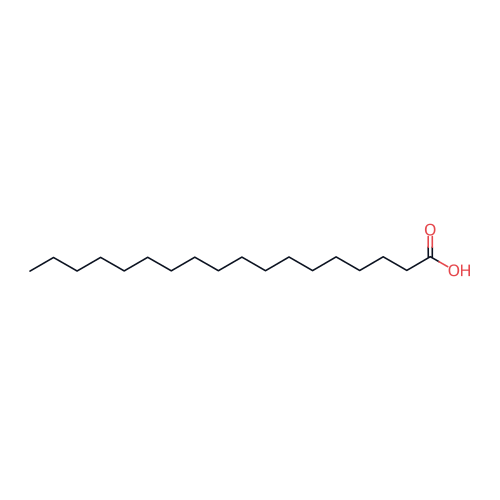
Key facts
What buyers check first
- Appearance
- Monoclinic leaflets from alcohol
- Melting point
- 69.3 °C
- Boiling point
- 371 °C
- Density
- 0.9408 g/cm³ at 20 °C
- Flash point
- 113 °C
- HS code
- 291570
- Category
- Emollients

What is Stearic acid?
Plain description, key identifiers and synonyms
Octadecanoic acid is a C18 straight-chain saturated fatty acid component of many animal and vegetable lipids. As well as in the diet, it is used in hardening soaps, softening plastics and in making cosmetics, candles and plastics. It has a role as a plant metabolite, a human metabolite, a Daphnia magna metabolite and an algal metabolite. It is a long-chain fatty acid, a saturated fatty acid and a straight-chain saturated fatty acid. It is a conjugate acid of an octadecanoate. It derives from a hydride of an octadecane.
Identifiers
Registry numbers, names and line notations, tap to copy
- IUPAC name
- octadecanoic acid
- CAS number
- 57-11-4 CAS number cross-checkedOther or deprecated CAS: 18639-67-3, 30399-84-9, 646-29-7
- EC numbers
- 200-313-4, 250-178-0, 680-589-4
- Molecular formula
- C18H36O2
- UNII
- 4ELV7Z65AP
- MDL number
- MFCD00002752
- INCI name
- STEARIC ACID
- InChIKey
- QIQXTHQIDYTFRH-UHFFFAOYSA-N
- InChI
- InChI=1S/C18H36O2/c1-2-3-4-5-6-7-8-9-10-11-12-13-14-15-16-17-18(19)20/h2-17H2,1H3,(H,19,20)
- SMILES (canonical and isomeric)
- CCCCCCCCCCCCCCCCCC(=O)O
Synonyms
- Octadecanoic acid
- n-Octadecanoic acid
- Stearophanic acid
- Stearex Beads
- 1-Heptadecanecarboxylic acid
- Pearl stearic
- Cetylacetic acid
- Industrene R
- Octadecansaeure
- Stearinsaeure
- Vanicol
- Hydrofol Acid 150
- Century 1240
- Glycon DP
- Glycon TP
- Humko Industrene R
- Formula 300
- Hydrofol 1895
- Hystrene 7018
- Hystrene 9718
- Glycon S-80
- Glycon S-90
- octadecoic acid
- Tegostearic 254
- Tegostearic 255
Show all 39 synonymsShow fewer synonyms
- Tegostearic 272
- Hystrene 80
- Hydrofol acid 1655
- Hydrofol acid 1855
- Industrene 5016
- Dar-chem 14
- Emersol 120
- Emersol 132
- Hystrene 4516
- Hystrene 5016
- Groco 54
- Groco 55
- Groco 55L
- Groco 58
Physical and chemical properties
Measured values and descriptors computed from the structure
Physical and chemical properties
Measured values, check the supplier specification for your grade
| Appearance | Monoclinic leaflets from alcoholexp.Measured value |
|---|---|
| Odour | Slight odor suggesting tallowexp.Measured value |
| Taste | Taste suggesting tallowexp.Measured value |
| Melting point | 69.3 °Cexp.Measured value |
| Boiling point | 371 °Cexp.Measured value |
| Density | 0.9408 g/cm³ at 20 °Cexp.Measured value |
| Flash point | 113 °Cexp.Measured value |
| Autoignition temperature | 395 °Cexp.Measured value |
| Solubility | In water, 0.568 mg/L at 25 °Cexp.Measured value |
| Vapour pressure | 1 mm Hg at 173.1 °Cexp.Measured value |
Values vary by grade. Ask suppliers for the COA or TDS of the batch you buy.
Computed descriptors
Calculated from the structure, useful for screening and formulation
| Molecular weight | 284.48 g/molcalc.Computed value |
|---|---|
| Exact mass | 284.2715 Dacalc.Computed value |
| LogP (octanol/water) | 6.33calc.Computed value |
| Topological polar surface area | 37.3 Ųcalc.Computed value |
| Hydrogen bond donors | 1calc.Computed value |
| Hydrogen bond acceptors | 1calc.Computed value |
| Rotatable bonds | 16calc.Computed value |
| Heavy atoms | 20calc.Computed value |
| Rings | 0calc.Computed value |
| Aromatic rings | 0calc.Computed value |
| Fraction sp3 carbons | 0.94calc.Computed value |
| Formal charge | 0calc.Computed value |
| Stereocentres | 0calc.Computed value |
| Lipinski rule of five | Passes (1 violation)calc.Computed value |
Calculated for screening. Confirm critical figures with the supplier.
Safety and hazards
GHS classification summary, not a safety data sheet
Hazard statements
- H315Causes skin irritation.
Precautionary statements (6)
- P264Wash skin thoroughly after handling.
- P280Wear protective gloves, protective clothing, eye protection and face protection.
- P302 + P352If on skin: Wash with plenty of water.
- P321Specific treatment (see supplemental first aid instructions on the label).
- P332 + P317If skin irritation occurs: Get medical help.
- P362 + P364Take off contaminated clothing. And wash it before reuse.
GHS classification summary, not a safety data sheet (SDS). Classifications can differ by supplier, grade and concentration. Always check the supplier's SDS.
Full safety data and first aidStearic acid suppliers
Sponsored listings first, then the documented ranking: membership, verification, replies, completeness, freshness and ratings
- India, Thane ManufacturerUnclaimed profileStearic AcidGrade, purity and minimum order on requestPrice on request
- India, Mumbai ManufacturerUnclaimed profileStearic AcidGrade, purity and minimum order on requestPrice on request
- China, Hangzhou ManufacturerUnclaimed profileStearic AcidGrade, purity and minimum order on requestPrice on request
- United States, HoustonUnclaimed profileStearic AcidGrade, purity and minimum order on requestPrice on request
- United States, West Palm BeachUnclaimed profileStearic AcidGrade, purity and minimum order on requestPrice on request
- United States, WayneUnclaimed profileStearic AcidGrade, purity and minimum order on requestPrice on request
- Belgium, AartselaarUnclaimed profileStearic AcidGrade, purity and minimum order on requestPrice on request
- Belgium, AntwerpenUnclaimed profileStearic AcidGrade, purity and minimum order on requestPrice on request
- Turkey, Istanbul (Anatolia) ManufacturerUnclaimed profileStearic AcidGrade, purity and minimum order on requestPrice on request
- IrelandUnclaimed profileStearic AcidGrade, purity and minimum order on requestPrice on request
Suppliers marked Unclaimed profile have not claimed their profile yet. They are not verified by CompoundList, their offers are price on request and details may have changed, so please confirm them with the supplier. Company representatives can claim a profile with a business email on the company's own website domain. Our team verifies each claim and sends the result by email.
Where suppliers are based
558 suppliers in 62 countries
- United States116
- India114
- China89
- United Kingdom15
- Thailand15
- Germany13
- and 56 more countries
Send one request to many suppliers
Choose up to 10 suppliers or let us match your request. Compare quotes side by side, free.
Stearic acid price
Indicative price range per kg from live supplier offers
Suppliers quote this chemical on request. Send one free request and compare quotes side by side.
Uses and applications
What the substance is used for, by industry and function
Reported uses (ppm):
Table: Reported uses (ppm): (Flavor and Extract Manufacturers' Association) [Table#3750].
For suppositories, coating enteric pills, ointments and for coating bitter remedies. Manufacturing stearates of aluminum, zinc, and other metals, stearin soap for opodeldoc, candles, phonograph records, insulators, modeling compounds, impregnating plaster of Paris, in vanishing creams and other cosmetics.
In preparation of sodium stearate, which is the solidifying agent for the official glycerin suppositories, in enteric tablet coating, ointments, and for many other commercial products, such as toilet creams, vanishing creams, solidified alcohol, etc., (when labeled solely for external use, it is exempt from the requirement that it be prepared from edible fats and oils).
Plastics -> Typical concentration range in plastic materials -> 1%.
Industrial uses: Cleaning agent, Filler,
Read more
Soil amendments (fertilizers), Emulsifier, Intermediate, Anti-static agent, Adhesion/cohesion promoter.
Consumer uses: Processing aids not otherwise specified, Surfactant (surface active agent), Binder, Other, Lubricating agent, Polymerization promoter, Foamant, Anti-adhesive/cohesive.
Use classes: Surfactants, Safer Chemical Classes, Plastics, Cosmetics.
Industries and functions
Cosmetic ingredient, INCI name STEARIC ACID(cleansing, surfactant - emulsifying, emulsion stabilising, fragrance)
Roles
- Daphnia magna metabolite
- Daphnia metabolite
- algal metabolite
- animal metabolite
- crustacean metabolite
- eukaryotic metabolite
- human metabolite
- mammalian metabolite
- metabolite
- plant metabolite
Functional uses
- Anti-adhesive/cohesive
- Binder
- Cleaning agent
- Emulsifier
- Humectant
- Lubricating agent
- Plasticizer
- Processing aids not otherwise specified
- Softener and conditioner
- Surfactant (surface active agent)
- Thickening agent
- pH regulating agent
Cosmetic functions
- Cleansing
- Emulsion stabilising
- Fragrance
- Refatting
- Surfactant - cleansing
- Surfactant - emulsifying
Pharmacology
Stearic Acid is a saturated long-chain fatty acid with an 18-carbon backbone. Stearic acid is found in various animal and plant fats, and is a major component of cocoa butter and shea butter.
How it is made
Commercially it is produced by the hydrogenation of the unsaturated 18-carbon fatty acids of soybean, cottonseed or other vegetable oils. When obtained from animal fats by hydrolysis and fractional crystallization, commercial stearic acid is a mixture of solid organic acids, chiefly palmitic and stearic acids.
Read more
Commercial products containing about 90% stearic acid are produced by hydrolysis and crystallization of a completely hydrogenated vegetable oil or by fractional distillation of fatty acid mixtures obtained from tallow.
It is produced commercially from hydrolyzed tallow derived from edible sources or from hydrolyzed, completely hydrogenated vegetable oil derived from edible sources.
From high-grade tallows and yellow grease stearin by washing, hydrolysis with the Twitchell or similar reagent, boiling, distilling, cooling, and pressing, from oleic acid by hydrogenation.
Regulatory status
Inventories, regulations and trade controls that list this substance
Health and food
- EU cosmetic ingredient inventory
- Active ingredient in FDA approved drug labels
United States
- Safer Choice ingredient list (USA)
- TSCA inventory (USA)Status: Active in US commerce
HS code and trade data
Customs classification and reported world trade statistics
Global trade
World import and export statistics for the HS code Stearic acid is traded under.
Palmitic acid, stearic acid, their salts and esters
- United States10.7%
- Germany6.2%
- China5.9%
The HS code shown for Stearic acid is indicative (it was matched by name in the HS nomenclature). Confirm the classification with your customs broker before shipping.
Related chemicals
Parent and salt forms, stereoisomers, similar structures and isomers
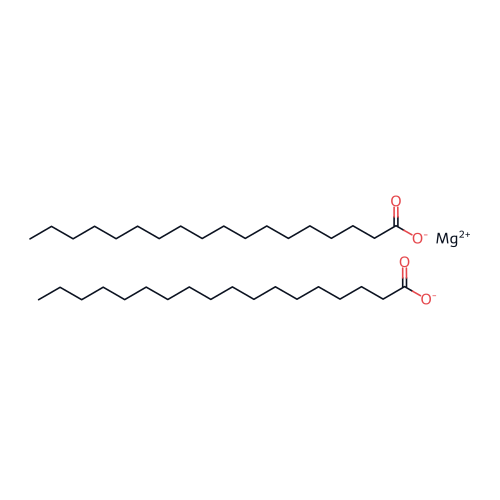
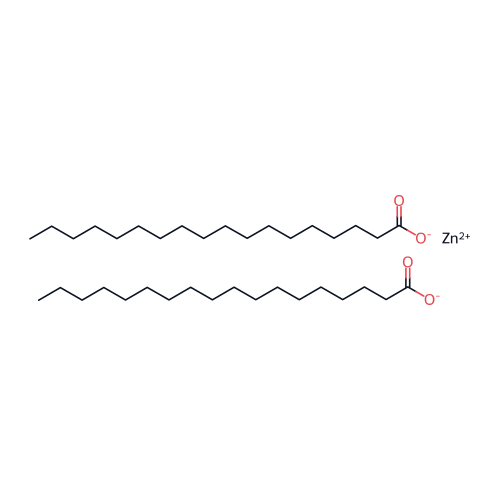
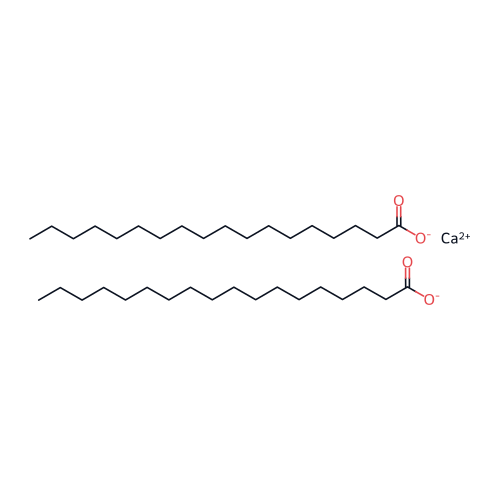
Salt and hydrate forms
Records that share this compound as their parent


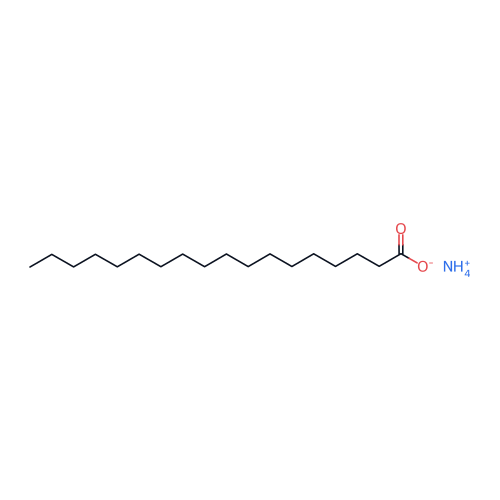
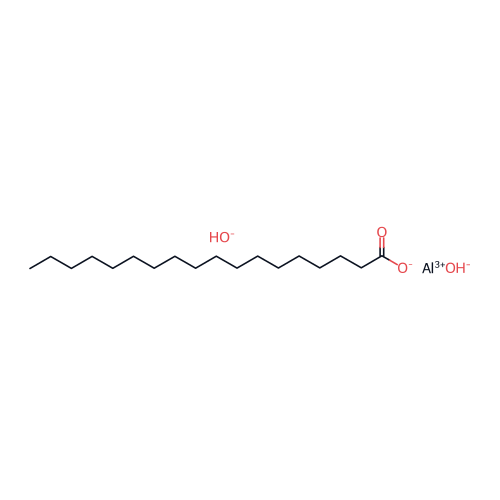

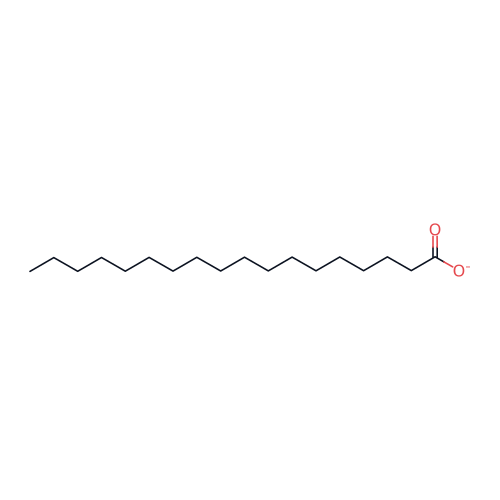
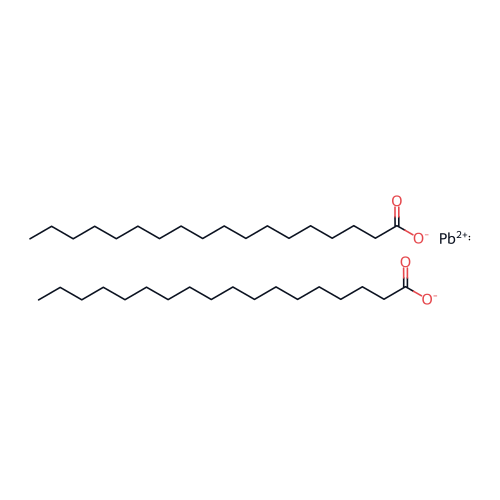


Stereoisomers and isotopic forms
Same connectivity, different stereochemistry or isotopes (same InChIKey skeleton)
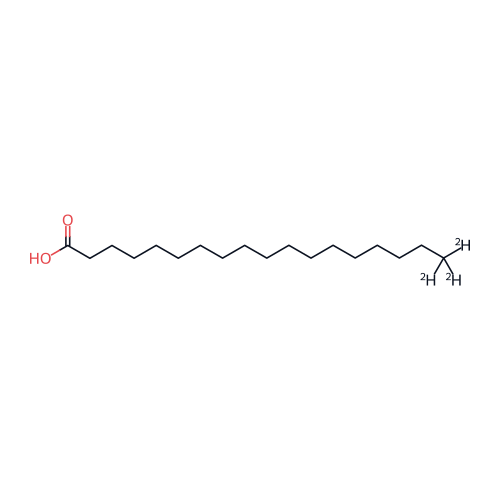

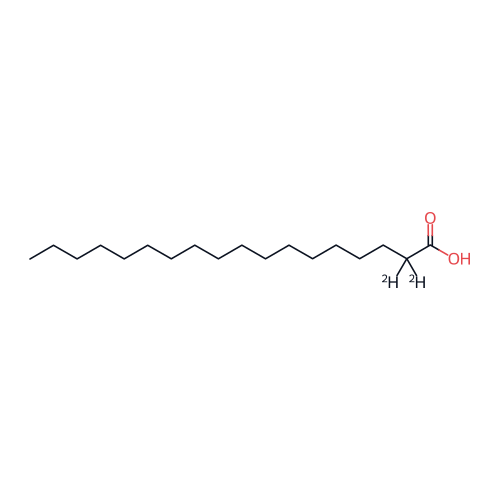


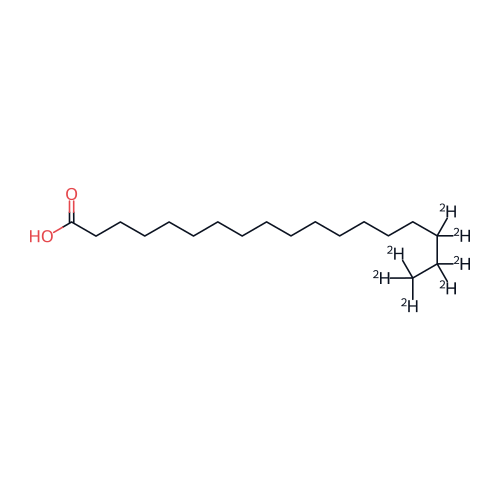


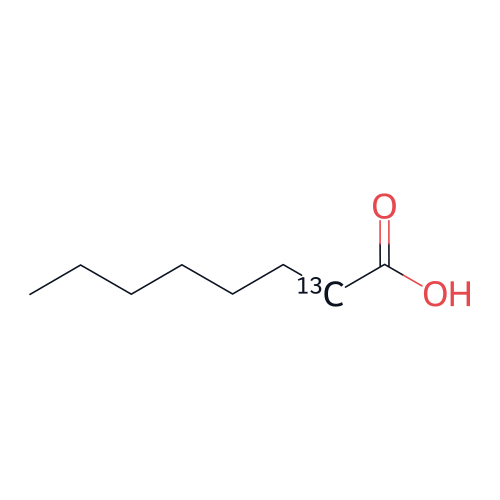
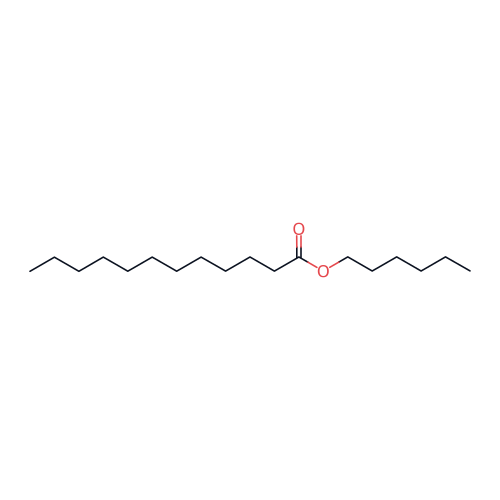
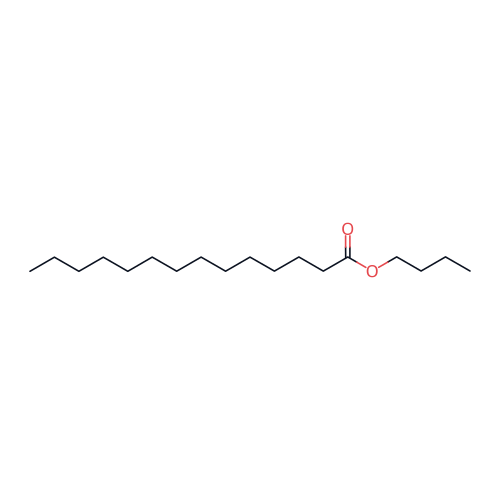
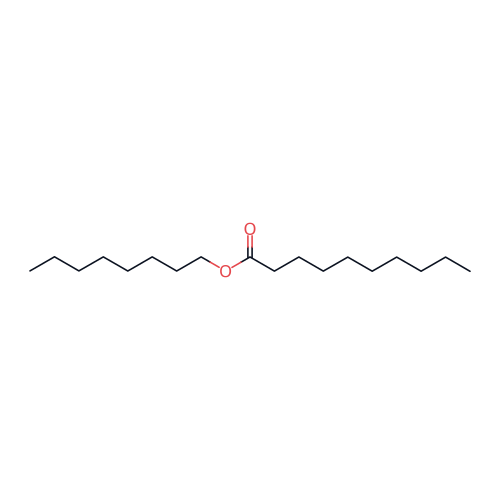
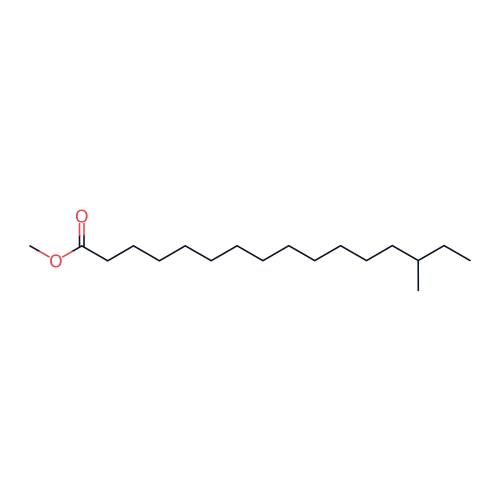
Similar structures
Nearest neighbours by Morgan fingerprint Tanimoto similarity
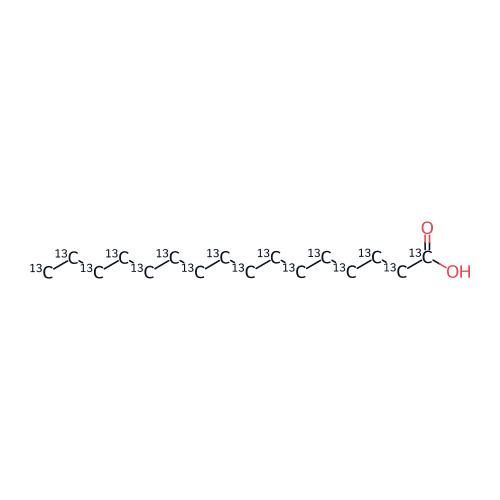
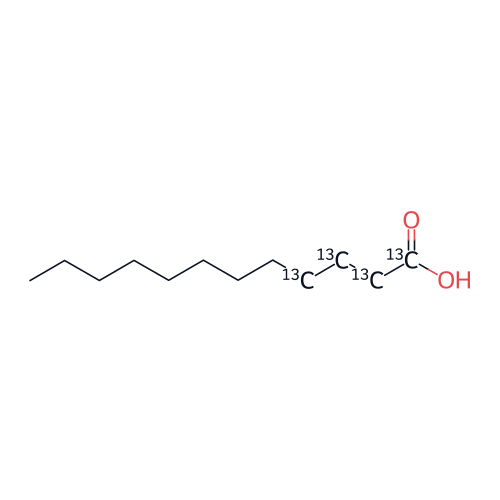
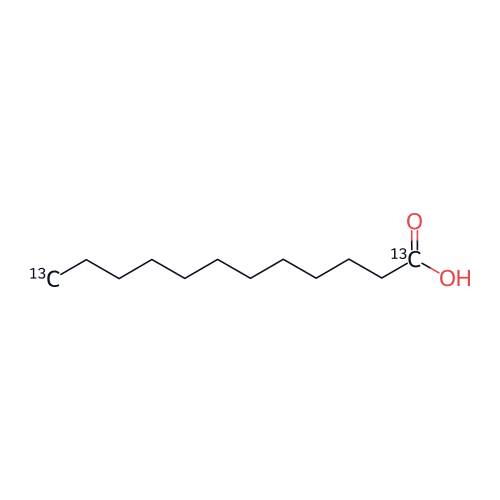

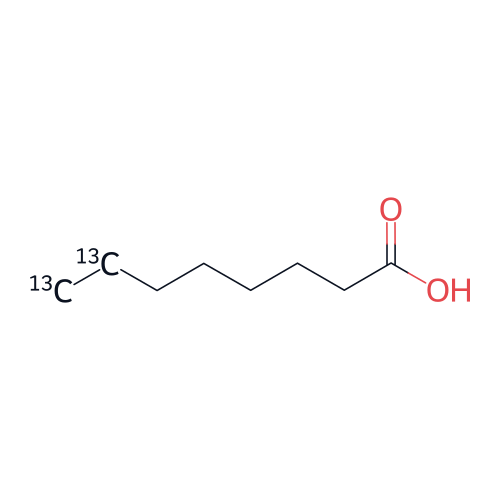
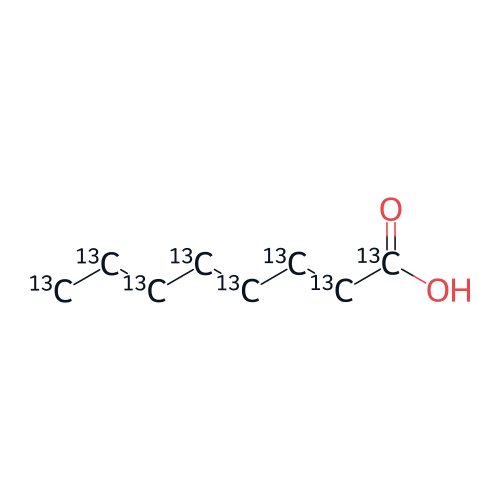

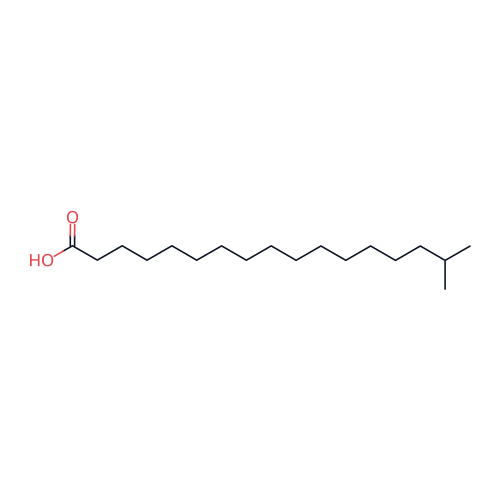
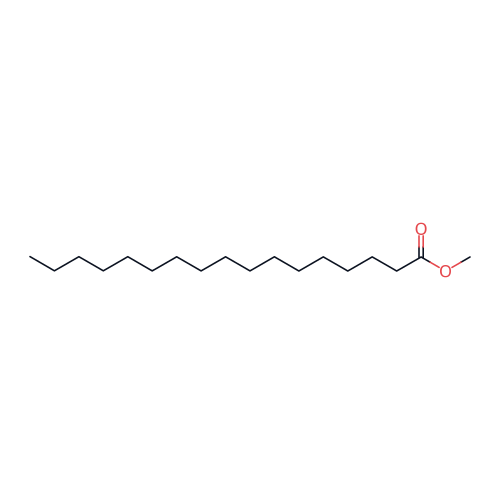
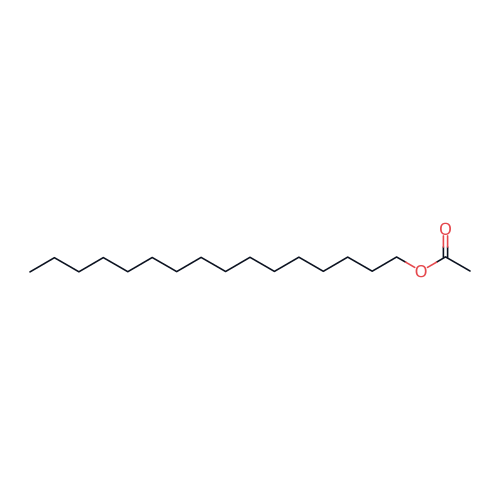
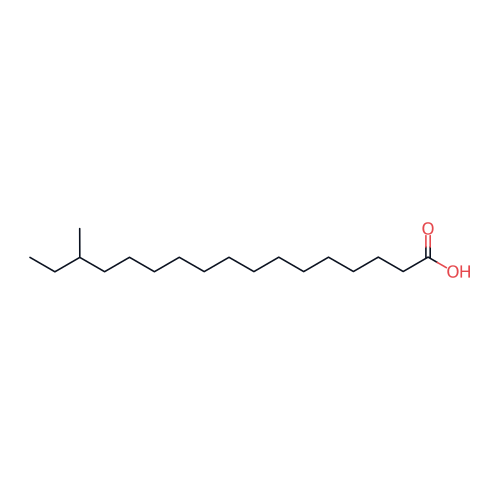
Same formula isomers
Different compounds that share this molecular formula




Frequently asked questions
Quick answers about Stearic acid, based on the data on this page
What is Stearic acid?
What is the CAS number of Stearic acid?
What is the molecular formula and weight of Stearic acid?
What is Stearic acid used for?
Is Stearic acid hazardous?
What is the HS code of Stearic acid?
Where can I buy Stearic acid?
Where can I buy Stearic acid in India?
What is the price of Stearic acid?
Guides for buyers
Practical guides that help when you source, ship or handle Stearic acid
- Article, FormulationHow to choose a cosmetic emulsifierA structured way to choose an emulsifier for creams and lotions: emulsion type, HLB and its limits, emulsifier families, formula fit, stability testing and what to ask suppliers.Read
- Guide, SafetyHow to read a safety data sheet in 10 minutesA section by section method to pull the essentials out of any 16 section SDS: identity, hazards, composition, storage, PPE, properties, transport and emergency measures.Read
- Guide, SafetyGHS pictograms, signal words and hazard statements explainedA practical guide to the nine GHS pictograms, the signal words Danger and Warning, H and P statements, and how to read a chemical label in seconds.Read
Get quotes for Stearic acid
Embed this structure on your websiteShow code
Paste this code into your page to show the 2D structure of Stearic acid with a 3D view, its CAS number where known and a link back to this page. Free to use with the link kept.
<iframe src="https://www.compoundlist.com/embed/structure/stearic-acid-57-11-4" title="Stearic acid structure on CompoundList" width="360" height="420" style="border:1px solid #E7E2DA;border-radius:12px;max-width:100%" loading="lazy" referrerpolicy="strict-origin-when-cross-origin"></iframe>Explore more in Emollients or HS code 291570