Vinyl chloride
Also known as Chloroethene, Chloroethylene, Ethene, chloro-

Key facts
What buyers check first

What is Vinyl chloride?
Plain description, key identifiers and synonyms
Chloroethene is a monohaloethene that is ethene in which one of the hydrogens has been replaced by a chloro group. It has a role as a carcinogenic agent. It is a gas molecular entity, a member of chloroethenes and a monohaloethene.
Identifiers
Registry numbers, names and line notations, tap to copy
- IUPAC name
- chloroethene
- CAS number
- 75-01-4 CAS number cross-checkedOther or deprecated CAS: 1187028-37-0, 26793-37-3
- EC number
- 200-831-0
- Molecular formula
- C2H3Cl
- UNII
- WD06X94M2D
- MDL number
- MFCD00040415
- INCI name
- VINYL CHLORIDE
- InChIKey
- BZHJMEDXRYGGRV-UHFFFAOYSA-N
- InChI
- InChI=1S/C2H3Cl/c1-2-3/h2H,1H2
- SMILES (canonical and isomeric)
- C=CCl
Synonyms
- Chloroethene
- Chloroethylene
- Ethene, chloro-
- Monochloroethylene
- Monochloroethene
- Vinylchloride
- Ethylene monochloride
- Chlorethylene
- Vinylchlorid
- Monovinyl chloride
- Vinyl chloride monomer
- Chlorethene
- Chlorure de vinyle
- Ethylene, chloro-
- Trovidur
- Vinyl C monomer
- Vinyl chlorine
- Winylu chlorek
- Cloruro di vinile
- Vinyle(chlorure de)
- RCRA waste number U043
- Vinile (cloruro di)
- 1-Chloroethylene
- Chloride, Vinyl
- Choroethylene
Show all 33 synonymsShow fewer synonyms
- Vinyl chloride monomer (VCM)
- VC
- cloroetileno
- C2H3Cl
- cloruro de vinilo
- UN 1086
- VCM
- Vinyl Chloride 5000 microg/mL in Methanol
Physical and chemical properties
Measured values and descriptors computed from the structure
Physical and chemical properties
Measured values, check the supplier specification for your grade
| Appearance | Colorless gas or liquid (below 77 degrees F) [Note: Shipped as a liquefied compressed gas]exp.Measured value |
|---|---|
| Odour | Ethereal odorexp.Measured value |
| Melting point | -153.8 °Cexp.Measured value |
| Boiling point | -13.8 °Cexp.Measured value |
| Density | 0.9106 g/cm³ at 20 °Cexp.Measured value |
| Flash point | -78 °Cexp.Measured value |
| Autoignition temperature | 472 °Cexp.Measured value |
| Solubility | In water, 8.8 × 10⁺³ mg/L at 25 °Cexp.Measured value |
| Vapour pressure | 2980 mm Hg at 25 °Cexp.Measured value |
Values vary by grade. Ask suppliers for the COA or TDS of the batch you buy.
Computed descriptors
Calculated from the structure, useful for screening and formulation
| Molecular weight | 62.50 g/molcalc.Computed value |
|---|---|
| Exact mass | 61.9923 Dacalc.Computed value |
| LogP (octanol/water) | 1.37calc.Computed value |
| Topological polar surface area | 0 Ųcalc.Computed value |
| Hydrogen bond donors | 0calc.Computed value |
| Hydrogen bond acceptors | 0calc.Computed value |
| Rotatable bonds | 0calc.Computed value |
| Heavy atoms | 3calc.Computed value |
| Rings | 0calc.Computed value |
| Aromatic rings | 0calc.Computed value |
| Fraction sp3 carbons | 0calc.Computed value |
| Formal charge | 0calc.Computed value |
| Stereocentres | 0calc.Computed value |
| Lipinski rule of five | Passes (0 violations)calc.Computed value |
Calculated for screening. Confirm critical figures with the supplier.
Safety and hazards
GHS classification summary, not a safety data sheet
Hazard statements
- H220Extremely flammable gas.
- H350May cause cancer.
Precautionary statements (10)
- P203Obtain, read and follow all safety instructions before use.
- P210Keep away from heat, hot surfaces, sparks, open flames and other ignition sources. No smoking.
- P222Do not allow contact with air.
- P280Wear protective gloves, protective clothing, eye protection and face protection.
- P318If exposed or concerned, get medical advice.
- P377Leaking gas fire: do not extinguish, unless leak can be stopped safely.
- P381In case of leakage, eliminate all ignition sources.
- P403Store in a well-ventilated place.
- P405Store locked up.
- P501Dispose of contents and container in accordance with local regulations.
- UN number
- UN 1086
- Transport hazard class
- 2.1
GHS classification summary, not a safety data sheet (SDS). Classifications can differ by supplier, grade and concentration. Always check the supplier's SDS.
Full safety data and first aidVinyl chloride suppliers
Sponsored listings first, then the documented ranking: membership, verification, replies, completeness, freshness and ratings
- Taiwan, Kaohsiung City ManufacturerUnclaimed profileVinyl ChlorideGrade, purity and minimum order on requestPrice on request
- India, Noida ManufacturerUnclaimed profileVinyl ChlorideGrade, purity and minimum order on requestPrice on request
- Romania, Râmnicu Vâlcea ManufacturerUnclaimed profileVinyl ChlorideGrade, purity and minimum order on requestPrice on request
- China ManufacturerUnclaimed profileVinyl ChlorideGrade, purity and minimum order on requestPrice on request
- ChinaUnclaimed profileVinyl ChlorideGrade, purity and minimum order on requestPrice on request
- South Korea, SeoulUnclaimed profileVinyl ChlorideGrade, purity and minimum order on requestPrice on request
- India, Bengaluru ManufacturerUnclaimed profileVinyl ChlorideGrade, purity and minimum order on requestPrice on request
- China, Jinzhong ManufacturerUnclaimed profileVinyl ChlorideGrade, purity and minimum order on requestPrice on request
- Spain, Barcelona ManufacturerUnclaimed profileVinyl ChlorideGrade, purity and minimum order on requestPrice on request
- United Kingdom, Chertsey ManufacturerUnclaimed profileVinyl ChlorideGrade, purity and minimum order on requestPrice on request
Suppliers marked Unclaimed profile have not claimed their profile yet. They are not verified by CompoundList, their offers are price on request and details may have changed, so please confirm them with the supplier. Company representatives can claim a profile with a business email on the company's own website domain. Our team verifies each claim and sends the result by email.
Where suppliers are based
70 suppliers in 17 countries
- United States28
- China16
- India5
- Germany4
- Spain3
- United Kingdom3
- and 11 more countries
Send one request to many suppliers
Choose up to 10 suppliers or let us match your request. Compare quotes side by side, free.
Vinyl chloride price
Indicative price range per kg from live supplier offers
Suppliers quote this chemical on request. Send one free request and compare quotes side by side.
Uses and applications
What the substance is used for, by industry and function
About 99% of the global vinyl chloride capacity is used for the production of poly(vinyl chloride) (PVC) and its copolymers.
In the plastics industry to manufacture polyvinyl chloride, in organic syntheses. Has been used as refrigerant, spray can propellant.
/Monomer for/ polyvinyl chloride and copolymers, organic synthesis, adhesives for plastics.
Used in a wide variety of copolymers ... Starting material for the synthesis of a variety of industrial compounds ... The primary nonpolymeric uses of vinyl chloride are in the manufacture of vinylidene chloride, vinyl stearate and tri- and tetrachloroethylene.
Most of the vinyl chloride produced is used to make polyvinyl chloride (PVC), a material widely used in automotive parts, packaging products, pipes, construction materials, furniture, and a variety of other products.
Industrial uses: Monomers, Intermediate.
Consumer uses: Monomers, Intermediate.
Use classes: Volatile organic compounds.
Industries and functions
Cosmetic ingredient, INCI name VINYL CHLORIDE(not reported)
Pharmacological actions
- Carcinogens
Roles
- aetiopathogenetic role
- carcinogenic agent
Functional uses
- Monomers
Cosmetic functions
- Not reported
Pharmacology
Vinyl Chloride is a chlorinated hydrocarbon occurring as a colorless, highly flammable gas with a mild, sweet odor that may emit toxic fumes of carbon dioxide, carbon monoxide, hydrogen chloride and phosgene when heated to decomposition. Vinyl chloride is primarily used to make polyvinyl chloride to manufacture plastics. Exposure to this substance affects the central and peripheral nervous system and causes liver damage. Prolonged exposure to vinyl chloride can cause a set of symptoms that is characterized by Raynaud's phenomenon, joint and muscle pain and scleroderma-like skin changes.
Read more
Vinyl chloride is a known human carcinogen and is associated with an increased risk of developing liver cancer, predominantly angiosarcoma of the liver, but is also linked to brain and lung cancer as well as cancer of the lymphatic and hematopoietic system. (NCI05)
How it is made
(1) Dehydrochlorination of ethylene dichloride, (2) reaction of acetylene and hydrogen chloride, either as liquids or gases.
Prepared from ethylene dichloride and alcoholic potassium, ... by halogenation of ethylene.
The catalytic hydrochlorination of acetylene is possible in either the gaseous or the liquid phase. The gas-phase reaction dominates in industrial processes. In this process the gaseous reactants are brought into contact with the catalyst at slightly increased pressure (0.1-0.3 MPa) and 100-250 °C (contact time 0.1-1 seconds) and then are quenched and partially liquefied. The reaction products are separated, recycled, or submitted to final purification.
Regulatory status
Inventories, regulations and trade controls that list this substance
Europe
- EU harmonised classification (CLP Annex VI)Index no: 602-023-00-7
Health and food
- EU cosmetic ingredient inventory
- EU Cosmetics Regulation Annex II, prohibited in cosmeticsName: Vinyl chloride monomer, Ref no: 334, Annex ref: II/334
United States
- TSCA inventory (USA)Status: Active in US commerce
HS code and trade data
Customs classification and reported world trade statistics
Global trade
World import and export statistics for the HS code Vinyl chloride is traded under.
Vinyl chloride (chloroethylene)
- United States38.4%
- Japan21.0%
- Belgium12.1%
* Partner reported figures, a lower bound.
The HS code shown for Vinyl chloride is indicative (it was matched by name in the HS nomenclature). Confirm the classification with your customs broker before shipping.
Related chemicals
Parent and salt forms, stereoisomers, similar structures and isomers
Salt and hydrate forms
Records that share this compound as their parent
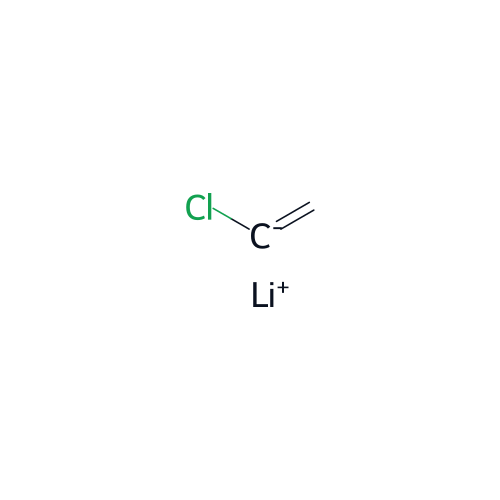
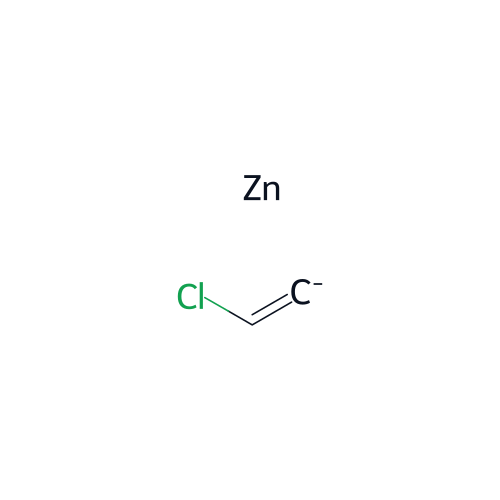
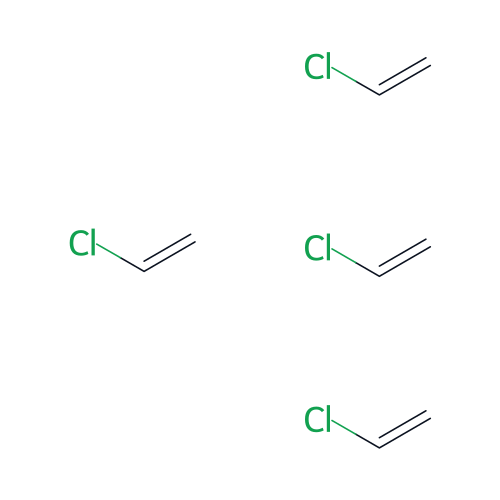
Stereoisomers and isotopic forms
Same connectivity, different stereochemistry or isotopes (same InChIKey skeleton)

Similar structures
Nearest neighbours by Morgan fingerprint Tanimoto similarity


Frequently asked questions
Quick answers about Vinyl chloride, based on the data on this page
What is Vinyl chloride?
What is Vinyl chloride used for?
Is Vinyl chloride hazardous?
Guides for buyers
Practical guides that help when you source, ship or handle Vinyl chloride
- Guide, SafetyHow to read a safety data sheet in 10 minutesA section by section method to pull the essentials out of any 16 section SDS: identity, hazards, composition, storage, PPE, properties, transport and emergency measures.Read
- Guide, Trade and logisticsShipping dangerous goods: UN numbers, classes and packing groupsHow the UN dangerous goods system works for chemicals, from the nine classes and UN numbers to packing groups, UN packaging marks, labels, documents and segregation.Read
- Guide, SafetyGHS pictograms, signal words and hazard statements explainedA practical guide to the nine GHS pictograms, the signal words Danger and Warning, H and P statements, and how to read a chemical label in seconds.Read
Get quotes for Vinyl chloride
Embed this structure on your websiteShow code
Paste this code into your page to show the 2D structure of Vinyl chloride with a 3D view, its CAS number where known and a link back to this page. Free to use with the link kept.
<iframe src="https://www.compoundlist.com/embed/structure/vinyl-chloride-75-01-4" title="Vinyl chloride structure on CompoundList" width="360" height="420" style="border:1px solid #E7E2DA;border-radius:12px;max-width:100%" loading="lazy" referrerpolicy="strict-origin-when-cross-origin"></iframe>Explore more in Monomers or HS code 290321