Zinc nitrate
Also known as Celloxan, Nitric acid, zinc salt, Nitrate de zinc
Key facts
What buyers check first
- Appearance
- White powder
- Melting point
- -18 °C
- Density
- 2.065 g/cm³ @ 14 °C /HEXAHYDRATE/
- Solubility
- 184.3 G/100 CC WATER @ 20 °C /HEXAHYDRATE/
- HS code
- 283429
- Category
- Nitrates and nitrites
- UN number
- UN 1514

What is Zinc nitrate?
Plain description, key identifiers and synonyms
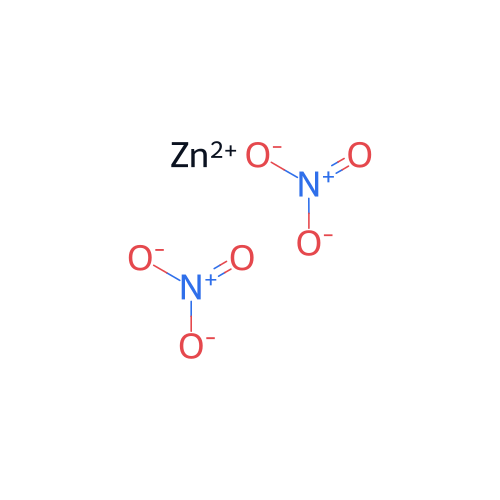
Zinc nitrate is an inorganic nitrate salt having zinc(2+) as the couterion. It has a role as a NMR chemical shift reference compound. It is an inorganic zinc salt and an inorganic nitrate salt. It contains a zinc(2+).
Identifiers
Registry numbers, names and line notations, tap to copy
- IUPAC name
- zinc dinitrate
- CAS number
- 7779-88-6 CAS number cross-checkedOther or deprecated CAS: 10196-18-6
- EC number
- 231-943-8
- Molecular formula
- N2O6Zn
- UNII
- EDO66F5U49
- MDL number
- MFCD00011293
- INCI name
- ZINC NITRATE
- InChIKey
- ONDPHDOFVYQSGI-UHFFFAOYSA-N
- InChI
- InChI=1S/2NO3.Zn/c2*2-1(3)4;/q2*-1;+2
- SMILES (canonical and isomeric)
- [N+](=O)([O-])[O-].[N+](=O)([O-])[O-].[Zn+2]
Synonyms
- Celloxan
- Nitric acid, zinc salt
- Nitrate de zinc
- X 4 (nitrate)
- Nitric acid, zinc salt (2:1)
- nitric acid zinc salt
- Zn(NO3)2
Physical and chemical properties
Measured values and descriptors computed from the structure
Physical and chemical properties
Measured values, check the supplier specification for your grade
| Appearance | White powderexp.Measured value |
|---|---|
| Melting point | -18 °Cexp.Measured value |
| Density | 2.065 g/cm³ @ 14 °C /HEXAHYDRATE/exp.Measured value |
| Solubility | 184.3 G/100 CC WATER @ 20 °C /HEXAHYDRATE/exp.Measured value |
Values vary by grade. Ask suppliers for the COA or TDS of the batch you buy.
Computed descriptors
Calculated from the structure, useful for screening and formulation
| Molecular weight | 189.40 g/molcalc.Computed value |
|---|---|
| Exact mass | 187.9048 Dacalc.Computed value |
| LogP (octanol/water) | -0.48calc.Computed value |
| Topological polar surface area | 132.4 Ųcalc.Computed value |
| Hydrogen bond donors | 0calc.Computed value |
| Hydrogen bond acceptors | 6calc.Computed value |
| Rotatable bonds | 0calc.Computed value |
| Heavy atoms | 9calc.Computed value |
| Rings | 0calc.Computed value |
| Aromatic rings | 0calc.Computed value |
| Fraction sp3 carbons | 0calc.Computed value |
| Formal charge | 0calc.Computed value |
| Stereocentres | 0calc.Computed value |
| Components | 3calc.Computed value |
Calculated for screening. Confirm critical figures with the supplier.
Safety and hazards
GHS classification summary, not a safety data sheet
Hazard statements
- H272May intensify fire, oxidiser.
- H302Harmful if swallowed.
- H315Causes skin irritation.
- H318Causes serious eye damage.
- H319Causes serious eye irritation.
- H335May cause respiratory irritation.
- H400Very toxic to aquatic life.
- H410Very toxic to aquatic life with long lasting effects.
- H411Toxic to aquatic life with long lasting effects.
Precautionary statements (26)
- P210Keep away from heat, hot surfaces, sparks, open flames and other ignition sources. No smoking.
- P220Keep away from clothing and other combustible materials.
- P261Avoid breathing dust, fume, gas, mist, vapours or spray.
- P264Wash skin thoroughly after handling.
- P264 + P265Wash skin thoroughly after handling. Do not touch eyes.
- P270Do not eat, drink or smoke when using this product.
- P271Use only outdoors or in a well-ventilated area.
- P273Avoid release to the environment.
- P280Wear protective gloves, protective clothing, eye protection and face protection.
- P301 + P317If swallowed: Get medical help.
- P302 + P352If on skin: Wash with plenty of water.
- P304 + P340If inhaled: Remove person to fresh air and keep comfortable for breathing.
- P305 + P351 + P338If in eyes: Rinse cautiously with water for several minutes. Remove contact lenses, if present and easy to do. Continue rinsing.
- P305 + P354 + P338If in eyes: Immediately rinse with water for several minutes. Remove contact lenses, if present and easy to do. Continue rinsing.
- P317Get medical help.
- P319Get medical help if you feel unwell.
- P321Specific treatment (see supplemental first aid instructions on the label).
- P330Rinse mouth.
- P332 + P317If skin irritation occurs: Get medical help.
- P337 + P317If eye irritation persists: Get medical help.
- P362 + P364Take off contaminated clothing. And wash it before reuse.
- P370 + P378In case of fire: Use appropriate media to extinguish.
- P391Collect spillage.
- P403 + P233Store in a well-ventilated place. Keep container tightly closed.
- P405Store locked up.
- P501Dispose of contents and container in accordance with local regulations.
- UN number
- UN 1514
- Transport hazard class
- 5.1
- Packing group
- II
GHS classification summary, not a safety data sheet (SDS). Classifications can differ by supplier, grade and concentration. Always check the supplier's SDS.
Full safety data and first aidZinc nitrate suppliers
Sponsored listings first, then the documented ranking: membership, verification, replies, completeness, freshness and ratings
- India, Vadodara ManufacturerUnclaimed profileZinc NitrateGrade, purity and minimum order on requestPrice on request
- United StatesUnclaimed profileZinc NitrateGrade, purity and minimum order on requestPrice on request
- India, Vadodara ManufacturerUnclaimed profileZinc NitrateGrade, purity and minimum order on requestPrice on request
- United StatesUnclaimed profileZinc NitrateGrade, purity and minimum order on requestPrice on request
- ChinaUnclaimed profileZinc NitrateGrade, purity and minimum order on requestPrice on request
- France, Paris ManufacturerUnclaimed profileNitrate DE zincGrade, purity and minimum order on requestPrice on request
- Price on request
- India, Mumbai ManufacturerUnclaimed profileZinc NitrateGrade, purity and minimum order on requestPrice on request
- China, MudanjiangUnclaimed profileZinc NitrateGrade, purity and minimum order on requestPrice on request
- United States, Harrisburg ManufacturerUnclaimed profileZinc nitrateGrade, purity and minimum order on requestPrice on request
Suppliers marked Unclaimed profile have not claimed their profile yet. They are not verified by CompoundList, their offers are price on request and details may have changed, so please confirm them with the supplier. Company representatives can claim a profile with a business email on the company's own website domain. Our team verifies each claim and sends the result by email.
Where suppliers are based
63 suppliers in 9 countries
- United States24
- India18
- China6
- Malaysia4
- United Kingdom3
- Australia1
- and 3 more countries
Send one request to many suppliers
Choose up to 10 suppliers or let us match your request. Compare quotes side by side, free.
Zinc nitrate price
Indicative price range per kg from live supplier offers
Suppliers quote this chemical on request. Send one free request and compare quotes side by side.
Uses and applications
What the substance is used for, by industry and function
As mordant in dyeing.
Resin catalyst.
As catalyst in manufacture of other chemicals, in medicine, and in dyes.
Acidic catalyst, latex coagulant, reagent & intermediate, strong oxidizing agent (hexahydrate).
Source of zinc in liquid fertilizers (hexahydrate).
Industrial uses: Plating agent, Binder, Surface modifier, Chelating agent, Adhesion/cohesion promoter, Etching agent, Intermediate, Soil amendments (fertilizers).
Consumer uses: Binder, Plating agent, Soil amendments (fertilizers).
Industries and functions
Cosmetic ingredient, INCI name ZINC NITRATE(skin conditioning)
Roles
- NMR chemical shift reference compound
- reference compound
Functional uses
- Softener and conditioner
Cosmetic functions
- Skin conditioning
How it is made
Action of nitric acid on zinc or zinc oxide. (Hexahydrate)
Regulatory status
Inventories, regulations and trade controls that list this substance
Health and food
- EU cosmetic ingredient inventory
United States
- TSCA inventory (USA)Status: Active in US commerce
HS code and trade data
Customs classification and reported world trade statistics
Global trade
World import and export statistics for the HS code Zinc nitrate is traded under.
Nitrates, other
- United States7.8%
- Germany6.2%
- Australia4.6%
* Partner reported figures, a lower bound.
The HS code shown for Zinc nitrate is indicative (it was assigned by structure rules). Confirm the classification with your customs broker before shipping.
Related chemicals
Parent and salt forms, stereoisomers, similar structures and isomers
Similar structures
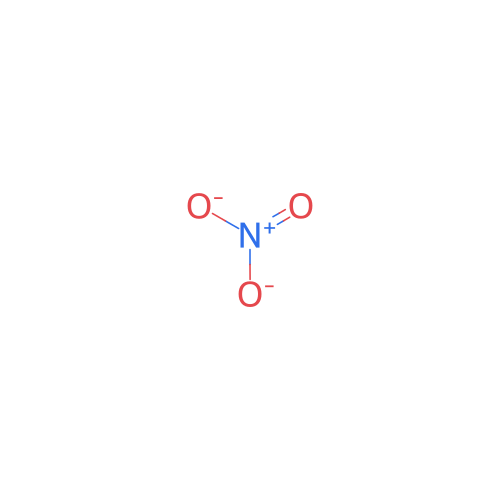
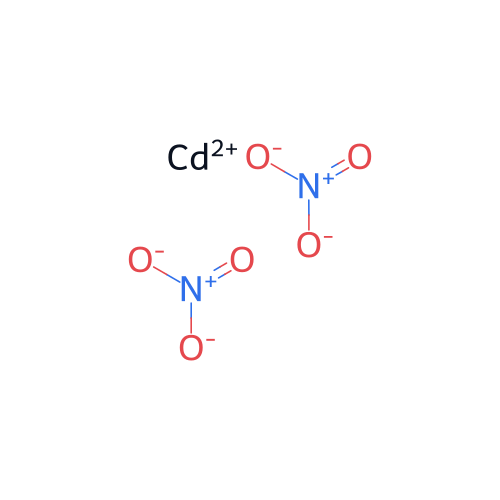
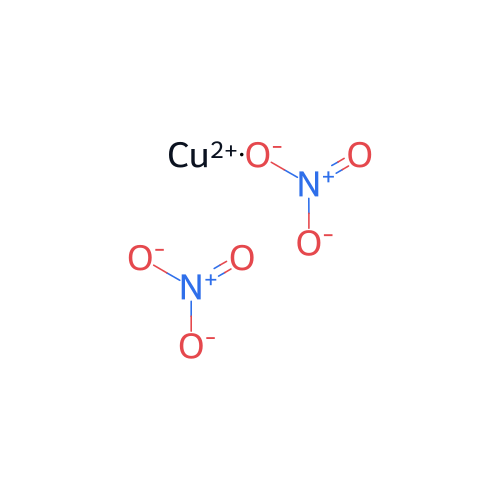
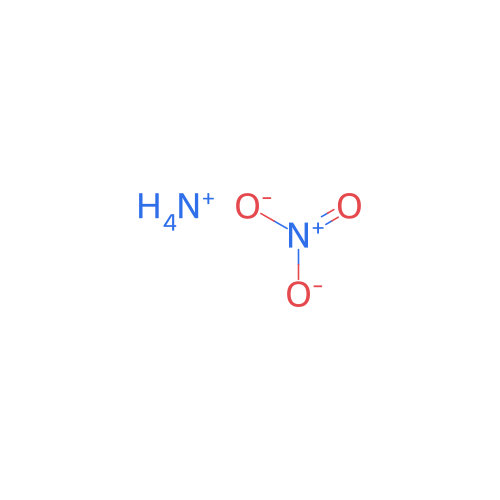
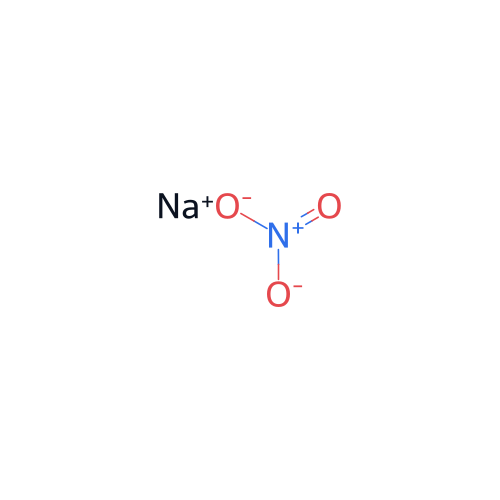
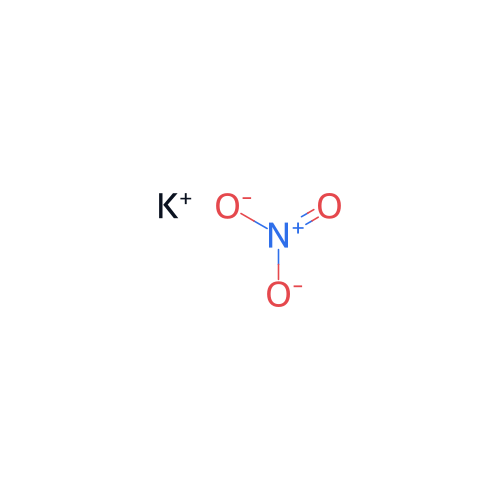
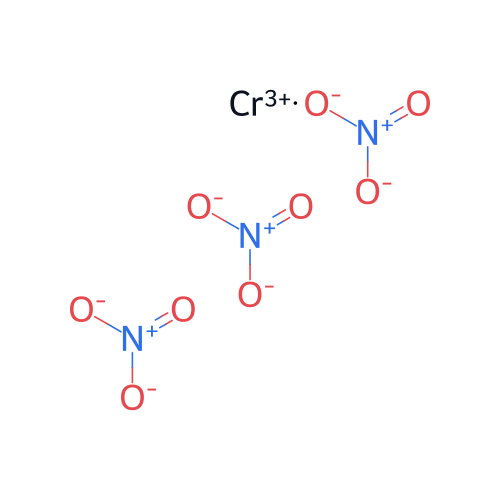
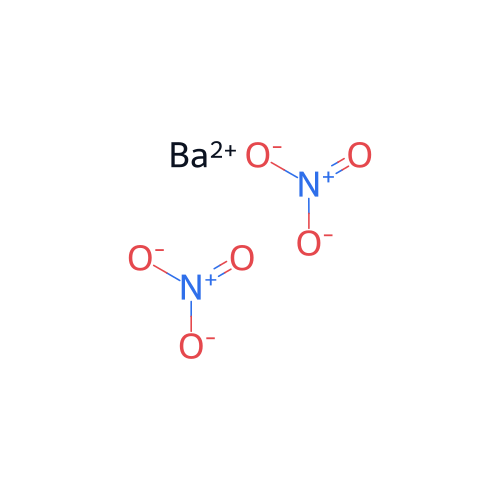
Nearest neighbours by Morgan fingerprint Tanimoto similarity


Frequently asked questions
Quick answers about Zinc nitrate, based on the data on this page
What is Zinc nitrate?
What is Zinc nitrate used for?
Is Zinc nitrate hazardous?
Guides for buyers
Practical guides that help when you source, ship or handle Zinc nitrate
- Guide, SafetyHow to read a safety data sheet in 10 minutesA section by section method to pull the essentials out of any 16 section SDS: identity, hazards, composition, storage, PPE, properties, transport and emergency measures.Read
- Guide, Trade and logisticsShipping dangerous goods: UN numbers, classes and packing groupsHow the UN dangerous goods system works for chemicals, from the nine classes and UN numbers to packing groups, UN packaging marks, labels, documents and segregation.Read
- Guide, SafetyGHS pictograms, signal words and hazard statements explainedA practical guide to the nine GHS pictograms, the signal words Danger and Warning, H and P statements, and how to read a chemical label in seconds.Read
Get quotes for Zinc nitrate
Embed this structure on your websiteShow code
Paste this code into your page to show the 2D structure of Zinc nitrate with a 3D view, its CAS number where known and a link back to this page. Free to use with the link kept.
<iframe src="https://www.compoundlist.com/embed/structure/zinc-nitrate-7779-88-6" title="Zinc nitrate structure on CompoundList" width="360" height="420" style="border:1px solid #E7E2DA;border-radius:12px;max-width:100%" loading="lazy" referrerpolicy="strict-origin-when-cross-origin"></iframe>Explore more in Nitrates and nitrites or HS code 283429