C10H12ClNO3
466 compounds have this formula on CompoundList.
- Molar mass
- 229.66g/mol
- Monoisotopic mass
- 232.0694Da
- Atoms
- 27
- Elements
- 5
- Rings plus double bonds
- 5
The formula C10H12ClNO3 describes a molecule made of 10 carbon atoms, 12 hydrogen atoms, 1 chlorine atom, 1 nitrogen atom and 3 oxygen atoms. It is written in Hill notation: carbon first, then hydrogen, then the other elements in alphabetical order. The formula tells you which atoms are present, not how they are connected, which is why several different chemicals can share it.
Elemental composition
- C Carbon × 1052.30%12.011 × 10 = 120.110 g/mol
- H Hydrogen × 125.27%1.008 × 12 = 12.096 g/mol
- Cl Chlorine × 115.44%35.45 × 1 = 35.450 g/mol
- N Nitrogen × 16.10%14.007 × 1 = 14.007 g/mol
- O Oxygen × 320.90%15.999 × 3 = 47.997 g/mol
Compounds with the formula C10H12ClNO3
Isomers we list, best known first. Open one to see its structure, properties, safety data and suppliers.
Showing 1 to 100 of 466 compounds


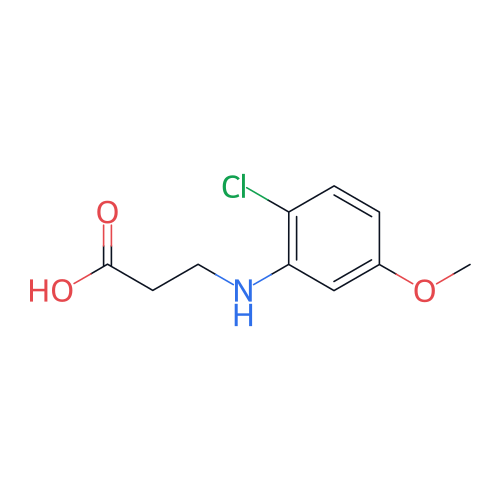
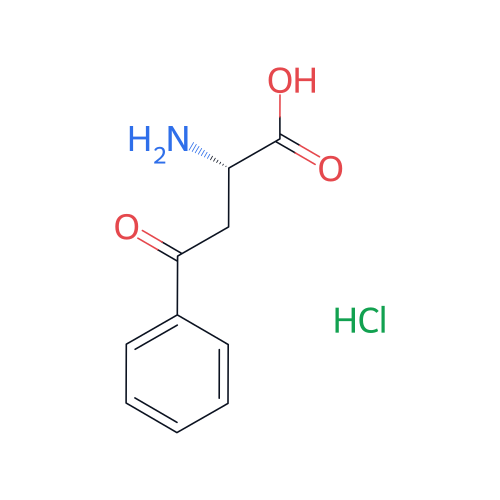
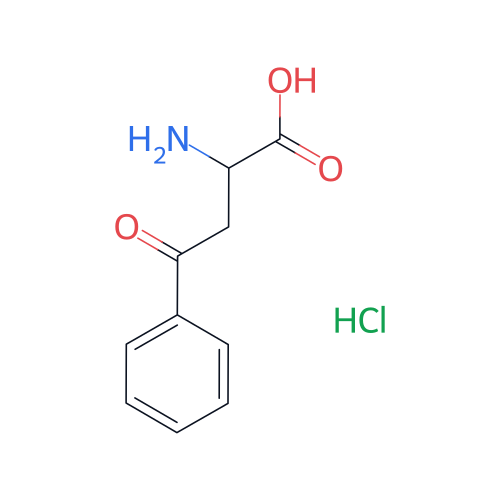


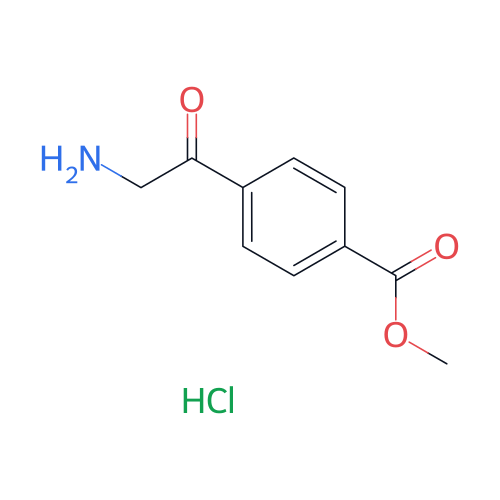


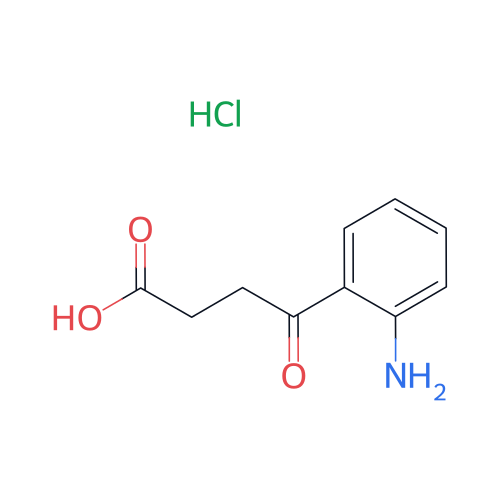

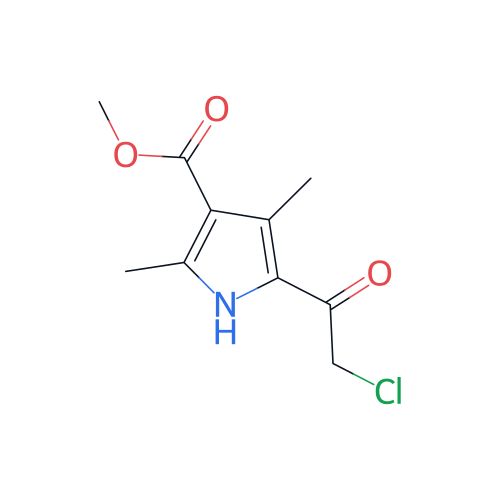
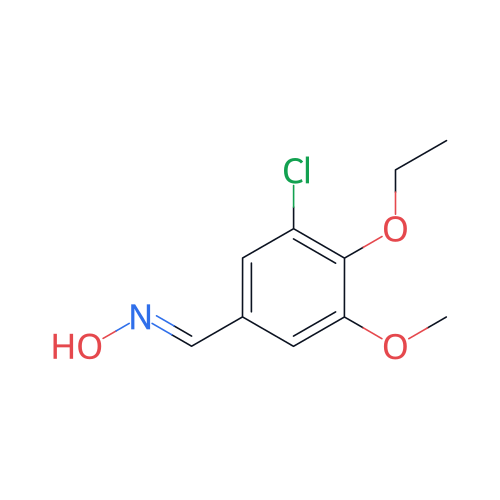
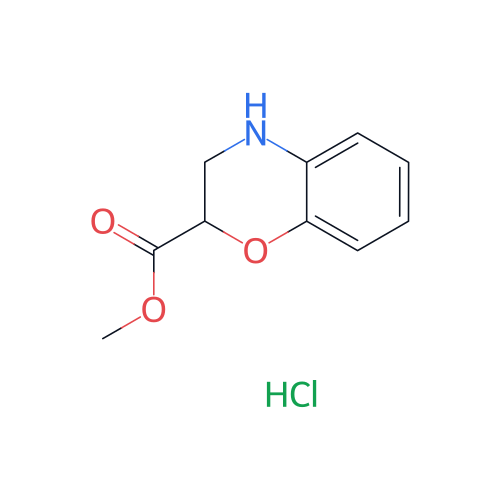


- Methyl 4-hydroxy-2,3-dihydro-1H-indole-2-carboxylate hydrochloride2173997-14-1C10H12ClNO3
- 8-Amino-3,4-dihydro-2H-1-benzopyran-3-carboxylic acid hydrochloride2613385-51-4C10H12ClNO3
- 3-Chloro-4,5-dimethoxy-N-methylbenzamide827012-30-6C10H12ClNO3
- 4-Methoxy-2,3-dihydro-1H-indole-2-carboxylic acid hydrochloride2137450-21-4C10H12ClNO3
- 2,3,4,5-Tetrahydro-1,4-benzoxazepine-6-carboxylic acid hydrochloride2172256-33-4C10H12ClNO3
- 3-(Azetidin-3-yloxy)benzoic acid hydrochloride2375267-42-6C10H12ClNO3
- Ethyl-2-(3-amino-4-chlorophenoxy)acetate90869-87-7C10H12ClNO3
- 1,2,3,5-Tetrahydro-4,1-benzoxazepine-6-carboxylic acid hydrochloride2377032-85-2C10H12ClNO3
- 6-Hydroxy-5,6,7,8-tetrahydroquinoline-6-carboxylic acid hydrochloride2247101-97-7C10H12ClNO3
- (1s,3s)-3-Hydroxy-3-(pyridin-3-yl)cyclobutane-1-carboxylic acid hydrochloride2551120-36-4C10H12ClNO3
- Methyl 6-amino-2,3-dihydro-1-benzofuran-3-carboxylate hydrochloride3026716-21-9C10H12ClNO3
- 2-(2-Chlorophenoxy)-N-(2-hydroxyethyl)acetamide429624-83-9C10H12ClNO3
- 2-(2-(4-Chlorophenoxy)ethylamino)acetic acid1153031-68-5C10H12ClNO3
- 2-((4-Chloro-o-tolyl)oxy)-N-methoxyacetamide1081-53-4C10H12ClNO3
- 8 suppliers1-Chloro-5-isopropoxy-2-methyl-4-nitrobenzene1032903-50-6C10H12ClNO3
- 2-Amino-1-(2,3-dihydrobenzo[b][1,4]dioxin-6-yl)ethanone hydrochloride35970-31-1C10H12ClNO3
- Ethyl 4-chloro-1,5-dimethyl-6-oxo-1,6-dihydropyridine-3-carboxylate853109-70-3C10H12ClNO3
- Methyl 4-[Imino(methoxy)methyl]benzoate Hydrochloride63617-98-1C10H12ClNO3
- Jbpos-01011353949-71-9C10H12ClNO3
- Ethyl 6-chloro-4-ethoxypyridine-3-carboxylate40296-47-7C10H12ClNO3
- Ethyl 4-amino-5-chloro-2-methoxybenzoate35019-78-4C10H12ClNO3
- Methyl 3-[Imino(methoxy)methyl]benzoate Hydrochloride1154063-16-7C10H12ClNO3
- 2-(4-Chloro-phenoxy)-N-(2-hydroxy-ethyl)-acetamide7462-17-1C10H12ClNO3
- 3-Chloro-O-methyltyrosine603105-74-4C10H12ClNO3
- 4-(3-Chloro-2-hydroxy-propylamino)-benzoic acid39083-58-4C10H12ClNO3
- 3-Amino-3-(3-chloro-4-methoxyphenyl)propanoic acid773125-23-8C10H12ClNO3
- 4-Chloro-N,2-dimethoxy-N-methylbenzamide205320-02-1C10H12ClNO3
- Methyl 2-{[(5-chloro-2-hydroxyphenyl)methyl]amino}acetate1019577-98-0C10H12ClNO3
- Ethyl 2-chloro-4-ethoxynicotinate1171502-57-0C10H12ClNO3
- N-(2-Chloro-3,5-dimethoxyphenyl)acetamide573704-48-0C10H12ClNO3
- Methyl (S)-3-amino-2,3-dihydrobenzofuran-5-carboxylate hydrochloride2241594-22-7C10H12ClNO3
- Ethyl 3-oxo-3-(pyridin-3-yl)propanoate hydrochloride90922-54-6C10H12ClNO3
- 2,3,4,5-Tetrahydro-1,4-benzoxazepine-9-carboxylic acid hydrochloride1055879-22-5C10H12ClNO3
- Ethyl 6-chloro-5-methoxy-2-methylnicotinate919354-48-6C10H12ClNO3
- Benzeneacetic acid, 4-hydroxy-alpha-imino-, ethyl ester, hydrochloride (1:1)68758-63-4C10H12ClNO3
- Carbamic acid, (3-chloro-2-hydroxyphenyl)-, 1-methylethyl ester34061-86-4C10H12ClNO3
- Carbamic acid, (5-chloro-2-hydroxyphenyl)-, 1-methylethyl ester27898-06-2C10H12ClNO3
- Carbamic acid, (3-chloro-5-hydroxyphenyl)-, 1-methylethyl ester34061-87-5C10H12ClNO3
- Methyl 2-[Imino(methoxy)methyl]benzoate Hydrochloride1823954-95-5C10H12ClNO3
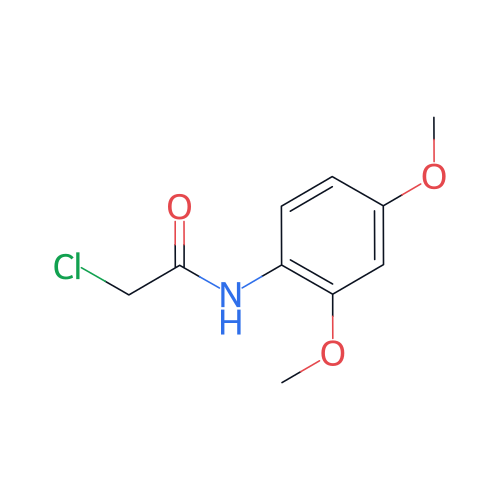
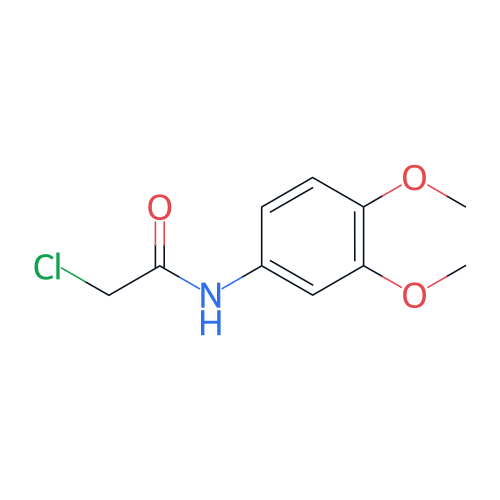
- 2-Chloro-N-(2,3-dimethoxyphenyl)acetamide258532-75-1C10H12ClNO3
- Methyl [5-(Chloroacetyl)-1-methyl-1H-pyrrol-2-yl]acetate617721-31-0C10H12ClNO3
- 5-Acetoxymethyl-2,3-dimethyl-4-chloropyridine N-oxide1159976-98-3C10H12ClNO3
- 3-Chloro-O-methyl-L-tyrosine766444-57-9C10H12ClNO3
- Ethyl 2-chloro-6-ethoxynicotinate1003578-20-8C10H12ClNO3
- Methyl 5-chloro-2-(propan-2-yloxy)pyridine-3-carboxylate1826110-05-7C10H12ClNO3
- 2-Chloro-4,5-dimethylphenyl (hydroxymethyl)carbamate10310-17-5C10H12ClNO3
- 4-tert-Butyl-2-chloro-6-nitrophenol14593-28-3C10H12ClNO3
- Picolinic acid, 5-(4-chlorobutoxy)-72133-18-7C10H12ClNO3
- 3-Amino-3-(2-chloro-4-methoxyphenyl)propanoic acid881040-22-8C10H12ClNO3
- 3-Amino-6-methoxychroman-4-one hydrochloride22406-60-6C10H12ClNO3
- Methyl 4-amino-5-chloro-2-ethoxybenzoate112914-03-1C10H12ClNO3
- 2-(4-Chlorophenoxy)-N-methoxy-n-methylacetamide18232-70-7C10H12ClNO3
- 5-Chloro-N,2-dimethoxy-N-methylbenzamide187396-78-7C10H12ClNO3
- Methyl 3,4-dihydro-2H-benzo[b][1,4]oxazine-6-carboxylate hydrochloride648449-54-1C10H12ClNO3
- Ethyl 2-amino-4-chloro-3-methoxybenzoate1247605-97-5C10H12ClNO3
- Ethyl 5-chloro-2-ethoxypyridine-3-carboxylate1310416-61-5C10H12ClNO3
- 2,3,4,5-Tetrahydro-1,4-benzoxazepine-5-carboxylic acid hydrochloride2126160-78-7C10H12ClNO3
- Furo(3,4-c)pyridin-7-ol, 1-ethoxy-6-methyl-, hydrochloride73839-77-7C10H12ClNO3
- Methyl 2-amino-2-(3-chloro-4-methoxyphenyl)acetate786632-66-4C10H12ClNO3
- 5-Chloro-4-dimethylamino-2-methoxybenzoic acid61695-09-8C10H12ClNO3
- 2-Chloro-N-[2-(3,4-dihydroxyphenyl)ethyl]acetamide17639-51-9C10H12ClNO3
- Methyl 2-amino-3-oxo-3-phenylpropanoate hydrochloride38061-23-3C10H12ClNO3
- 5-Amino-4-chloro-2-methylphenyl ethyl carbonate930298-25-2C10H12ClNO3
- 2-Chloroethyl (3-hydroxy-4-methylphenyl)carbamate62072-62-2C10H12ClNO3
- 4-(Dimethylamino)-3-formylbenzoic acid hydrochloride2126178-16-1C10H12ClNO3
- 2,3,4,5-Tetrahydro-1,4-benzoxazepine-8-carboxylic acid hydrochloride2138332-97-3C10H12ClNO3
- Methyl 5-chloro-2-(propan-2-yloxy)pyridine-4-carboxylate2121515-27-1C10H12ClNO3
- 1,2,3,5-Tetrahydro-4,1-benzoxazepine-7-carboxylic acid hydrochloride2225144-10-3C10H12ClNO3
- 2-Methoxyethyl (3-chlorophenyl)carbamate25058-37-1C10H12ClNO3
- N-(5-Chloro-2,4-dimethoxyphenyl)acetamide21970-90-1C10H12ClNO3
- 4-(Chloromethyl)-2-nitro-1-propoxybenzene56245-04-6C10H12ClNO3
- 5,6,7,8-Tetrahydro-2H-[1,3]dioxolo[4,5-g]isoquinolin-8-ol--hydrogen chloride (1/1)15052-01-4C10H12ClNO3
- 2-Amino-3-(5-chloro-2-methoxyphenyl)propanoic acid603105-71-1C10H12ClNO3
- Methyl 5-chloro-2-methoxy-4-(methylamino)benzoate78775-33-4C10H12ClNO3
- 2-Chloro-4-methoxy-6-methylnicotinic acid ethyl ester111953-14-1C10H12ClNO3
- 3-Chloro-4-hydroxy-N-(2-methoxyethyl)benzamide1019466-53-5C10H12ClNO3
Frequently asked questions
What is the molar mass of C10H12ClNO3?
The molar mass of C10H12ClNO3 is 229.66 g/mol, calculated from standard atomic weights for 10 carbon atoms, 12 hydrogen atoms, 1 chlorine atom, 1 nitrogen atom and 3 oxygen atoms. The monoisotopic mass is 232.0694 Da.
How many compounds have the formula C10H12ClNO3?
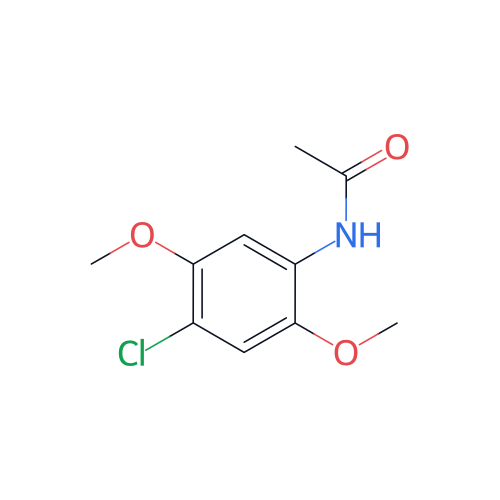
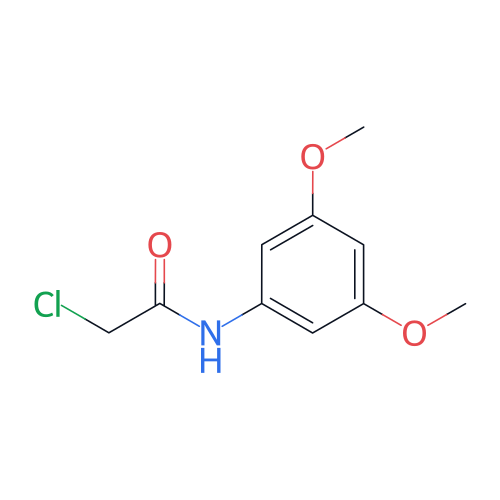
CompoundList lists 466 compounds with the molecular formula C10H12ClNO3, including N-(4-Chloro-2,5-dimethoxyphenyl)acetamide, 4-Hydroxychlorpropham, 2-Chloro-N-(3,5-dimethoxyphenyl)acetamide. Compounds that share a formula are isomers. They contain the same atoms arranged differently, so their properties, uses and prices can be very different.
What is the degree of unsaturation of C10H12ClNO3?
C10H12ClNO3 has a degree of unsaturation of 5. That is the total number of rings and pi bonds (a double bond counts as one, a triple bond as two) in any structure with this formula.