C10H17NO5
243 compounds have this formula on CompoundList.
- Molar mass
- 231.25g/mol
- Monoisotopic mass
- 235.1358Da
- Atoms
- 33
- Elements
- 4
- Rings plus double bonds
- 3
The formula C10H17NO5 describes a molecule made of 10 carbon atoms, 17 hydrogen atoms, 1 nitrogen atom and 5 oxygen atoms. It is written in Hill notation: carbon first, then hydrogen, then the other elements in alphabetical order. The formula tells you which atoms are present, not how they are connected, which is why several different chemicals can share it.
Elemental composition
- C Carbon × 1051.94%12.011 × 10 = 120.110 g/mol
- H Hydrogen × 177.41%1.008 × 17 = 17.136 g/mol
- N Nitrogen × 16.06%14.007 × 1 = 14.007 g/mol
- O Oxygen × 534.59%15.999 × 5 = 79.995 g/mol
Compounds with the formula C10H17NO5
Isomers we list, best known first. Open one to see its structure, properties, safety data and suppliers.
Showing 1 to 100 of 243 compounds
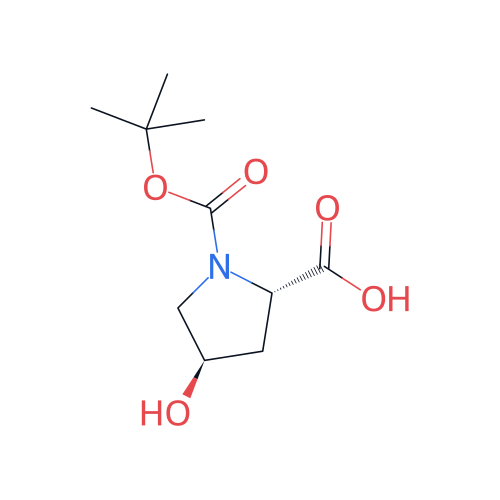
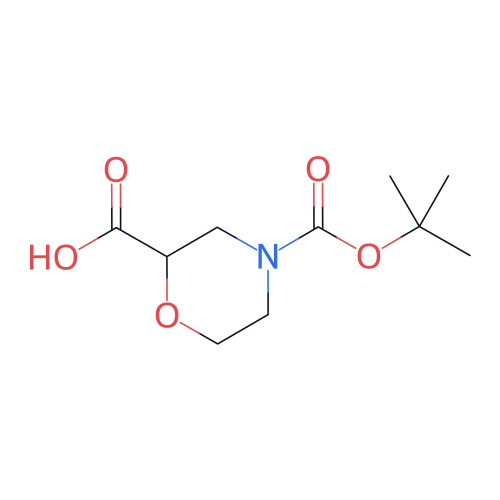

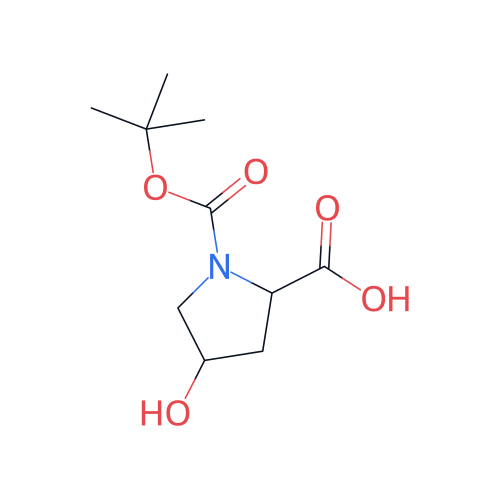
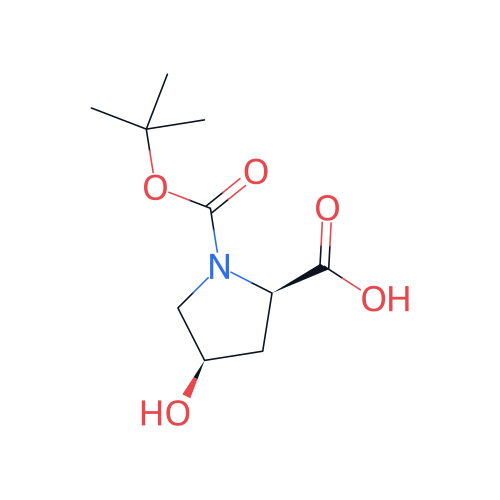
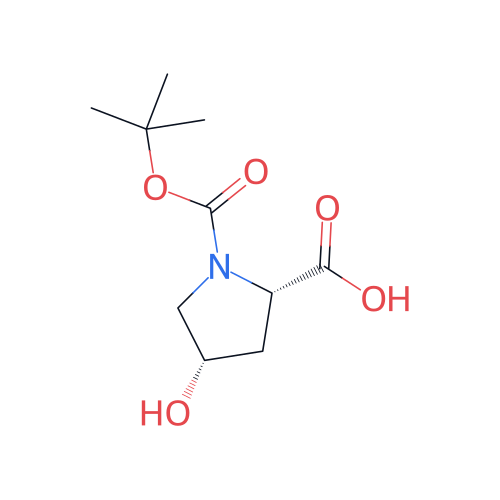
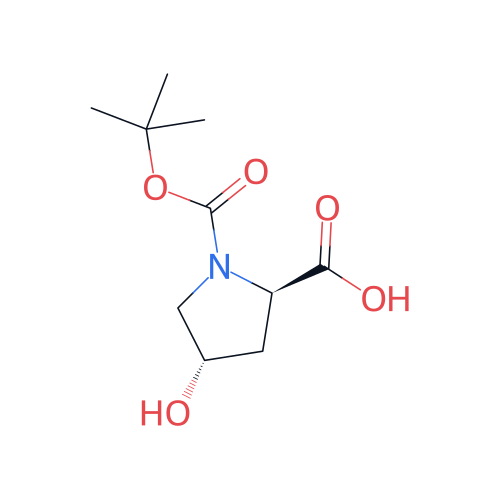

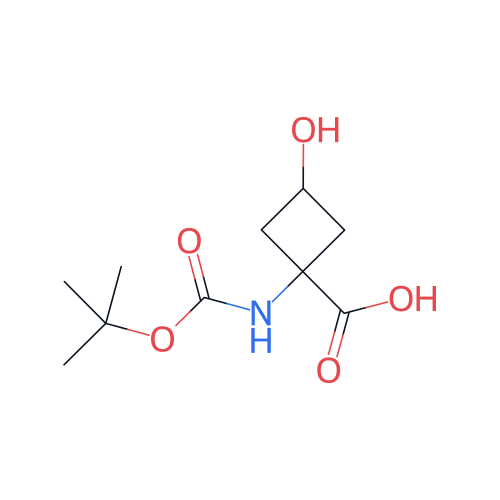

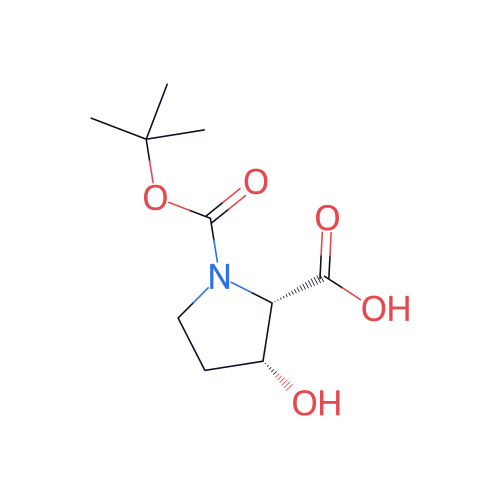

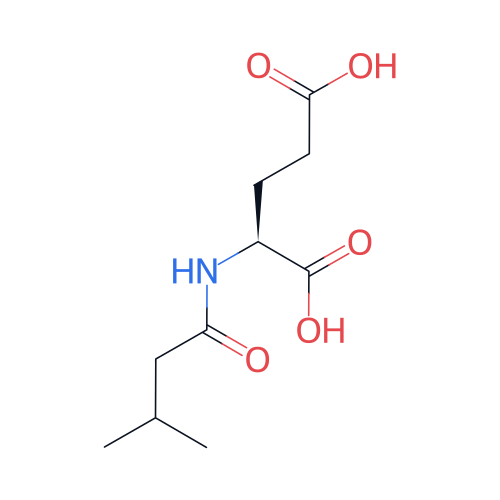
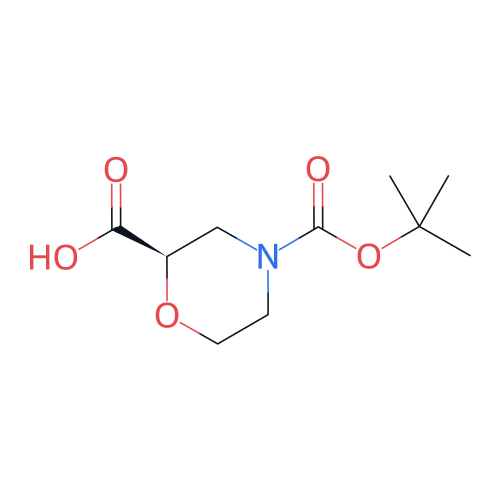
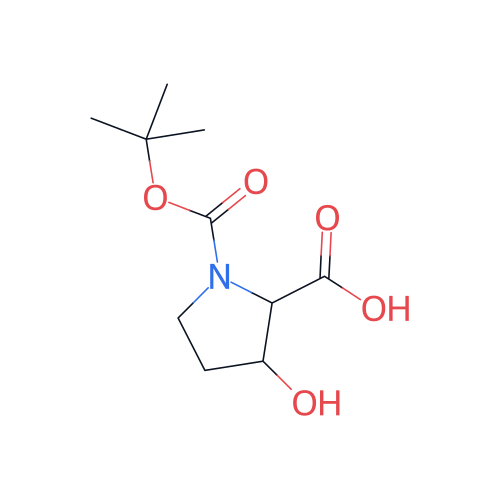
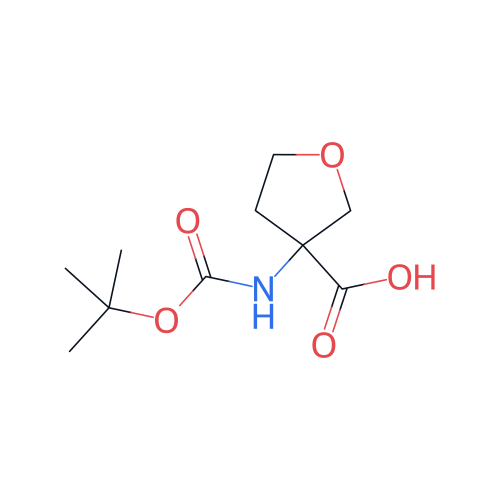

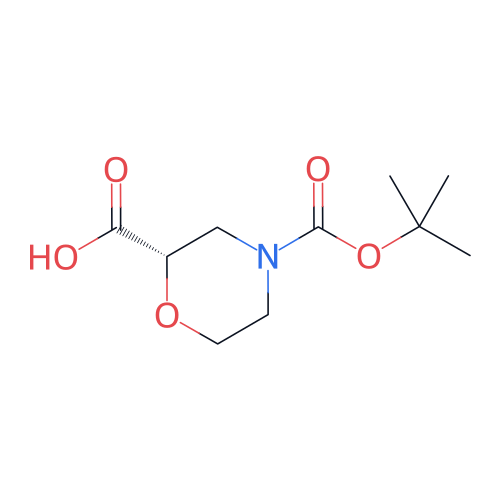

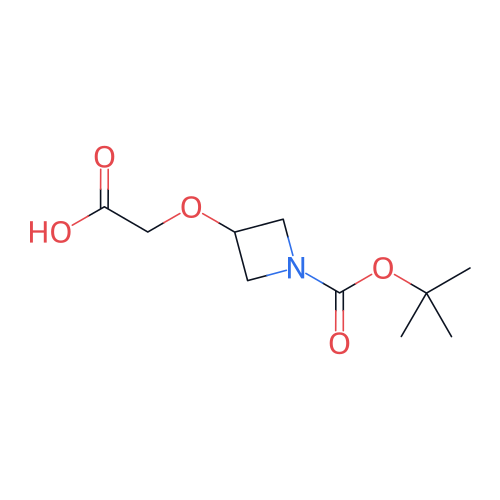
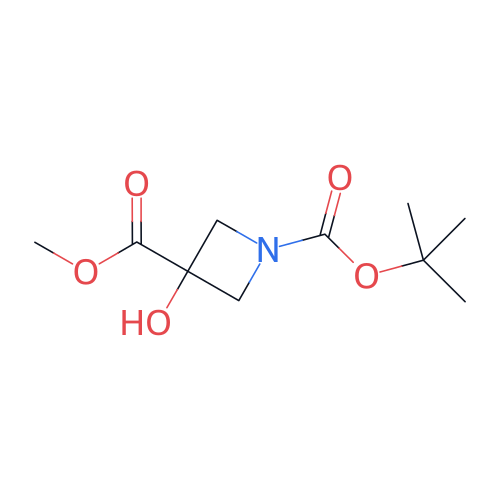
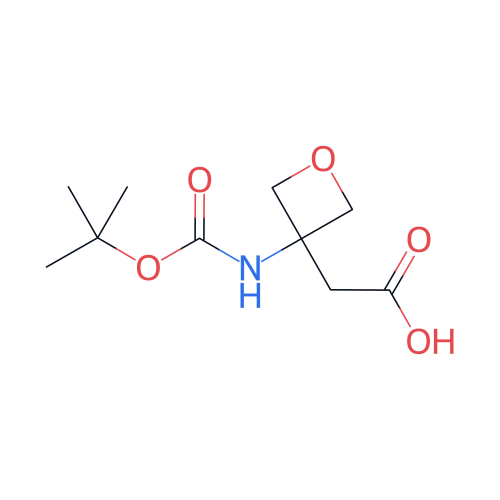
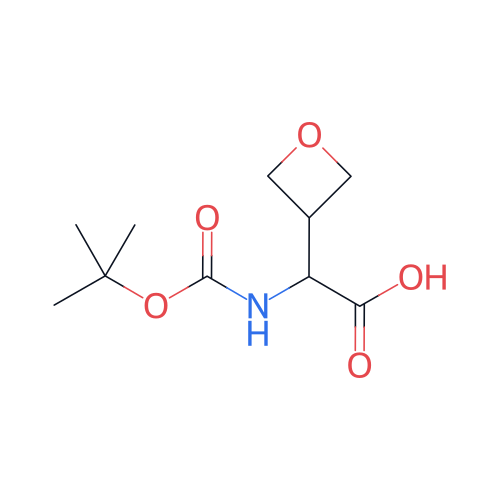
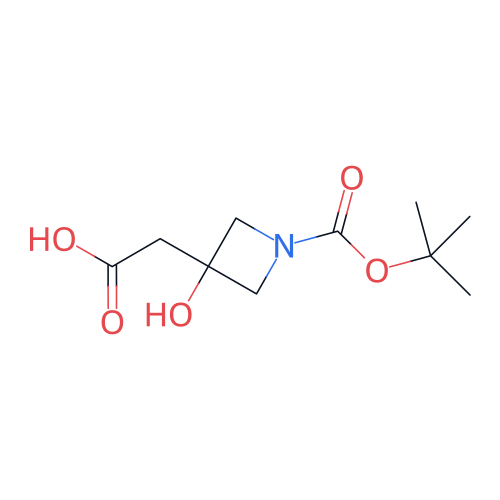
- 1-((tert-Butoxy)carbonyl)-3-hydroxypyrrolidine-3-carboxylic acid1067239-08-0C10H17NO5
- (2R,3R)-1-((tert-Butoxy)carbonyl)-3-hydroxypyrrolidine-2-carboxylic acid335280-19-8C10H17NO5
- rac-(3R,4S)-4-{[(tert-Butoxy)carbonyl]amino}oxolane-3-carboxylic acid1414958-20-5C10H17NO5
- 1-((tert-Butoxy)carbonyl)-3-methoxyazetidine-3-carboxylic acid1780970-70-8C10H17NO5
- Methyl 4-(((tert-butoxy)carbonyl)amino)-3-oxobutanoate119960-04-2C10H17NO5
- Methyl 3-(boc-amino)-3-oxetanecarboxylate1363381-38-7C10H17NO5
- Methyl (2S)-2-{[(tert-butoxy)carbonyl]amino}-4-oxobutanoate87884-14-8C10H17NO5
- 2-{1-[(tert-Butoxy)carbonyl]azetidin-3-yl}-2-hydroxyacetic acid1067239-25-1C10H17NO5
- rac-(2R,4R)-4-{[(tert-Butoxy)carbonyl]amino}oxolane-2-carboxylic acid2165554-86-7C10H17NO5
- rac-(3R,4S)-1-[(tert-Butoxy)carbonyl]-4-hydroxypyrrolidine-3-carboxylic acid1904122-48-0C10H17NO5
- rac-(2R,4S)-4-{[(tert-Butoxy)carbonyl]amino}oxolane-2-carboxylic acid489446-83-5C10H17NO5
- 1 suppliers(4S)-1-(tert-Butoxycarbonyl)-4-hydroxyproline946610-68-0C10H17NO5
- rac-(2R,3S)-3-(((tert-Butoxy)carbonyl)amino)oxolane-2-carboxylic acid1931930-98-1C10H17NO5
- 3-({[(tert-Butoxy)carbonyl]amino}methyl)oxetane-3-carboxylic acid2138230-26-7C10H17NO5
- (2S)-2-{[(tert-Butoxy)carbonyl]amino}-4-oxopentanoic acid144005-47-0C10H17NO5
- rac-(2R,3R)-3-(((tert-Butoxy)carbonyl)amino)oxolane-2-carboxylic acid2748400-57-7C10H17NO5
- (2R)-2-{[(tert-Butoxy)carbonyl]amino}-4-oxopentanoic acid1217714-88-9C10H17NO5
- 4-(((1S)-1-Carboxy-2-methylpropyl)carbamoyl)butanoic acid85562-63-6C10H17NO5
- N-(3-Carboxypropanoyl)-L-leucine65416-56-0C10H17NO5
- (S)-Diethyl 2-acetamidosuccinate1069-39-2C10H17NO5
- 3 suppliersKainic acid monohydrate58002-62-3C10H17NO5
- 3-(((1,1-Dimethylethoxy)carbonyl)amino)-1-hydroxycyclobutanecarboxylic acid1067239-17-1C10H17NO5
- N,N-Bis(acetoxyethyl)acetamide5338-18-1C10H17NO5
- (2S,3S)-1-(tert-Butoxycarbonyl)-3-hydroxypyrrolidine-2-carboxylic acid187039-57-2C10H17NO5
- Methyl (3-methoxy-3-oxopropanoyl)-D-valinate1446971-41-0C10H17NO5
- 4-{[(tert-Butoxy)carbonyl]amino}oxolane-3-carboxylic acid1521431-12-8C10H17NO5
- 5-((tert-Butoxycarbonyl)amino)-4-oxopentanoic acid72072-06-1C10H17NO5
- 1'-Hydroxykainic acid125292-93-5C10H17NO5
- 2,6-Bis(carboxymethyl)-4,4-dimethylmorpholinium111690-58-5C10H17NO5
- 3-{[(tert-Butoxy)carbonyl](methyl)amino}oxetane-3-carboxylic acid1500588-04-4C10H17NO5
- cis-4-tert-Butoxycarbonylamino-tetrahydro-furan-3-carboxylic acid1821806-07-8C10H17NO5
- 2 suppliers(S)-2-Acetamido-4-(tert-butoxy)-4-oxobutanoic acid117833-18-8C10H17NO5
- 1 suppliers1-(1,1-Dimethylethyl) (2S)-4-hydroxy-1,2-pyrrolidinedicarboxylate331442-12-7C10H17NO5
- Ethyl 3-[(3-ethoxy-3-oxopropyl)amino]-3-oxopropanoate143300-67-8C10H17NO5
- (S)-2-[2-(Methoxycarbonyl)acetylamino]-3-methylbutanoic acid methyl ester308277-46-5C10H17NO5
- 1-[(tert-Butoxy)carbonyl]-4-hydroxypyrrolidine-3-carboxylic acid1369237-37-5C10H17NO5
- 1-(tert-Butoxycarbonyl)-3-(hydroxymethyl)azetidine-3-carboxylic acid1778734-52-3C10H17NO5
- (2S,3S)-3-(tert-Butoxycarbonylamino)tetrahydrofuran-2-carboxylic acid1801627-58-6C10H17NO5
- Dimethyl 2-morpholinosuccinate61533-02-6C10H17NO5
- (S)-3-(tert-Butoxycarbonylamino)tetrahydrofuran-3-carboxylic acid1242457-64-2C10H17NO5
- 3-(Acetylamino)-3-deoxy-1,2-O-(1-methylethylidene)pentofuranose29881-53-6C10H17NO5
- (3S,4S)-4-((tert-Butoxycarbonyl)amino)tetrahydrofuran-3-carboxylic acid1903427-02-0C10H17NO5
- Methyl-L-callipeltose211804-32-9C10H17NO5
- 8-Oxa-2-azaspiro[4.5]decane oxalate1408075-68-2C10H17NO5
- (R)-2-((tert-Butoxycarbonyl)amino)-2-(oxetan-3-yl)acetic acid1889289-71-7C10H17NO5
- 2-Oxa-8-azaspiro[4.5]decane oxalate1588441-03-5C10H17NO5
- Ethyl 2-(4-(nitromethyl)tetrahydro-2H-pyran-4-yl)acetate205827-21-0C10H17NO5
- Methyl (2R)-2-[(2-methylpropan-2-yl)oxycarbonylamino]-4-oxobutanoate117706-96-4C10H17NO5
- cis-1-[(tert-Butoxy)carbonyl]-4-hydroxypyrrolidine-3-carboxylic acid1903430-97-6C10H17NO5
- (2S)-2-{[(tert-Butoxy)carbonyl]amino}-2-(oxetan-3-yl)acetic acid1932299-93-8C10H17NO5
- 3,3-Isoxazolidinedicarboxylic acid, 2,5,5-trimethyl-, dimethyl ester62619-47-0C10H17NO5
- 2-{[(tert-Butoxy)carbonyl]amino}-4-oxopentanoic acid160080-53-5C10H17NO5
- Methyl 4-nitro-3-(oxan-4-yl)butanoate1423024-54-7C10H17NO5
- 4-((tert-Butoxycarbonyl)amino)tetrahydrofuran-2-carboxylic acid1779418-62-0C10H17NO5
- N-Ethoxycarbonylethyl-N-formylglycine ethyl ester3783-62-8C10H17NO5
- 6-(3-Carboxypropanoylamino)hexanoic acid85933-14-8C10H17NO5
- 3-Nitro-1,5-dioxaspiro[5.5]undecane-3-methanol51430-72-9C10H17NO5
- (R)-3-(tert-Butoxycarbonylamino)tetrahydrofuran-3-carboxylic acid1432793-82-2C10H17NO5
- N-(tert-Butoxycarbonyl)-N-(oxetan-3-yl)glycine1781787-73-2C10H17NO5
- Suberylglycine-d42469259-73-0C10H17NO5
- 2,2-Aziridinedicarboxylic acid, 1-ethoxy-, diethyl ester53084-36-9C10H17NO5
- 1 suppliersMethyl 2-[(2-methylpropan-2-yl)oxycarbonyl-(2-oxoethyl)amino]acetate175211-73-1C10H17NO5
- (2R,4R)-4-(Boc-amino)tetrahydrofuran-2-carboxylic Acid2165748-71-8C10H17NO5
- n-Suberylglycine-2,2-d21219799-02-6C10H17NO5
- 7-Azaspiro[3.5]nonan-5-ol oxalate2173998-90-6C10H17NO5
- 1-(2-Acetyloxypropanoylamino)propan-2-yl acetate5455-68-5C10H17NO5
- 2-(1-{[(tert-Butoxy)carbonyl]amino}cyclopropyl)-2-hydroxyacetic acid1352817-95-8C10H17NO5
- rac-(4aR,8aR)-octahydro-1H-pyrano[3,4-b]pyridine, oxalic acid, cis1909286-95-8C10H17NO5
- 3-{[2-(2,2-Dimethylpropanamido)acetyl]oxy}propanoic acid1878761-62-6C10H17NO5
- cis-tert-Butyl-3-(hydroxymethyl)-3-nitrocyclobutane-1-carboxylate2654798-33-9C10H17NO5
- (2R)-1-(tert-Butoxycarbonyl)-4-hydroxypyrrolidine-2-carboxylic acid1157846-03-1C10H17NO5
- 2-((1-(Ethoxycarbonyl)piperidin-4-yl)oxy)acetic acid1344046-33-8C10H17NO5
- (3R,4S)-1-Boc-4-hydroxypyrrolidine-3-carboxylic acid2380775-07-3C10H17NO5
- Octahydro-1H-pyrano[3,4-b]pyridine, oxalic acid1803561-16-1C10H17NO5
- 3-{[2-(Acetyloxy)propanoyl]amino}propyl acetate7146-55-6C10H17NO5
- (2-Acetamido-3-acetyloxybutyl) acetate7462-53-5C10H17NO5
Frequently asked questions
What is the molar mass of C10H17NO5?
The molar mass of C10H17NO5 is 231.25 g/mol, calculated from standard atomic weights for 10 carbon atoms, 17 hydrogen atoms, 1 nitrogen atom and 5 oxygen atoms. The monoisotopic mass is 235.1358 Da.
How many compounds have the formula C10H17NO5?
CompoundList lists 243 compounds with the molecular formula C10H17NO5, including (2S,4R)-4-Hydroxy-1-[(2-methylpropan-2-yl)oxycarbonyl]pyrrolidine-2-carboxylic acid, 4-((tert-Butoxy)carbonyl)morpholine-2-carboxylic acid, Suberylglycine. Compounds that share a formula are isomers. They contain the same atoms arranged differently, so their properties, uses and prices can be very different.
What is the degree of unsaturation of C10H17NO5?
C10H17NO5 has a degree of unsaturation of 3. That is the total number of rings and pi bonds (a double bond counts as one, a triple bond as two) in any structure with this formula.