C11H13ClO2
534 compounds have this formula on CompoundList.
- Molar mass
- 212.67g/mol
- Monoisotopic mass
- 212.0604Da
- Atoms
- 27
- Elements
- 4
- Rings plus double bonds
- 5
The formula C11H13ClO2 describes a molecule made of 11 carbon atoms, 13 hydrogen atoms, 1 chlorine atom and 2 oxygen atoms. It is written in Hill notation: carbon first, then hydrogen, then the other elements in alphabetical order. The formula tells you which atoms are present, not how they are connected, which is why several different chemicals can share it.
Elemental composition
- C Carbon × 1162.12%12.011 × 11 = 132.121 g/mol
- H Hydrogen × 136.16%1.008 × 13 = 13.104 g/mol
- Cl Chlorine × 116.67%35.45 × 1 = 35.450 g/mol
- O Oxygen × 215.05%15.999 × 2 = 31.998 g/mol
Compounds with the formula C11H13ClO2
Isomers we list, best known first. Open one to see its structure, properties, safety data and suppliers.
Showing 1 to 100 of 534 compounds
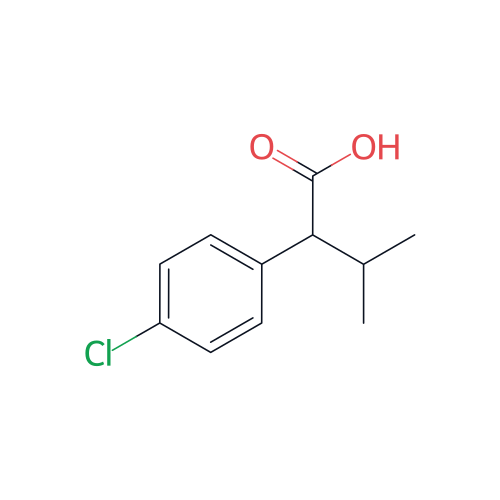
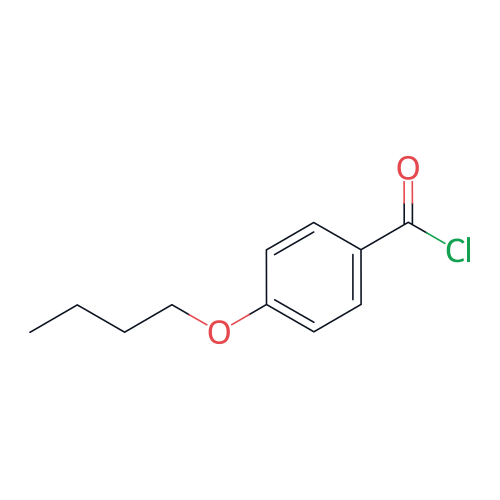

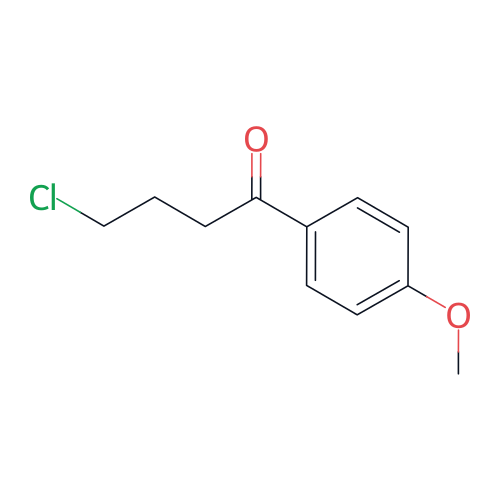
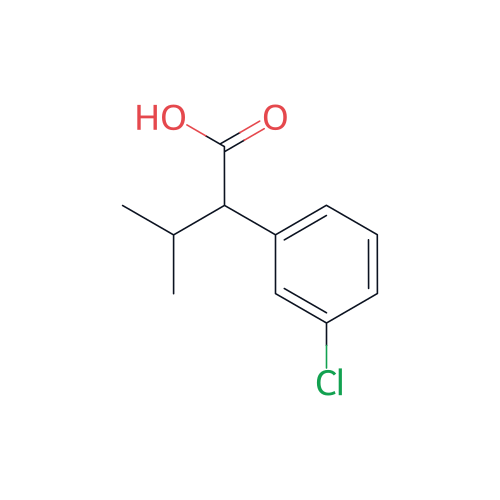

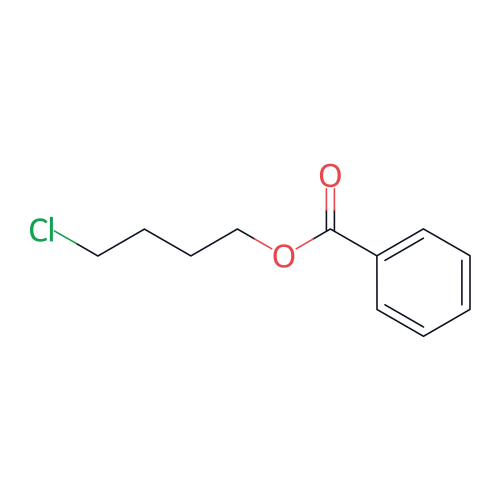
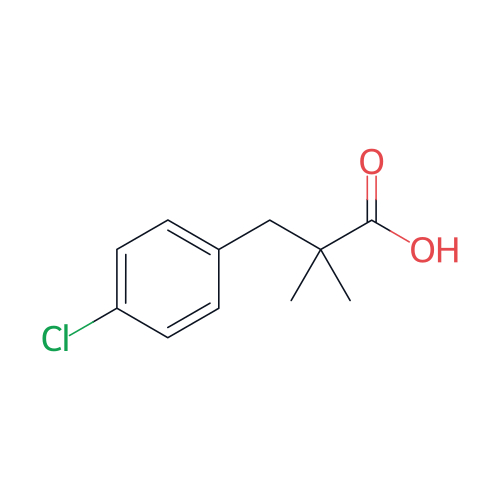

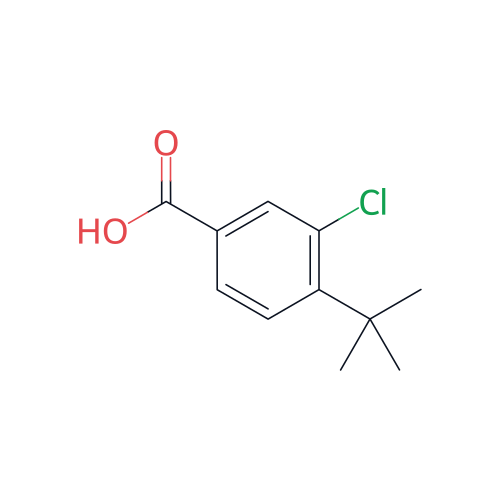
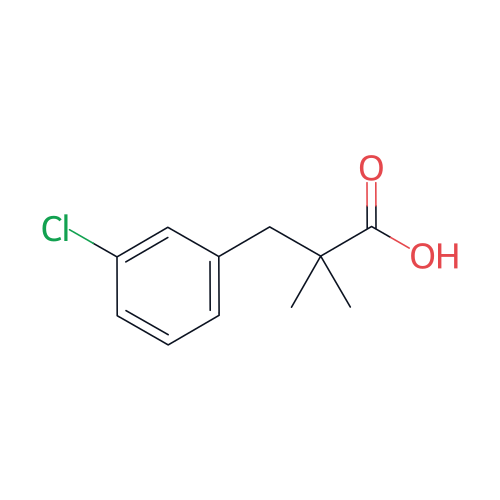
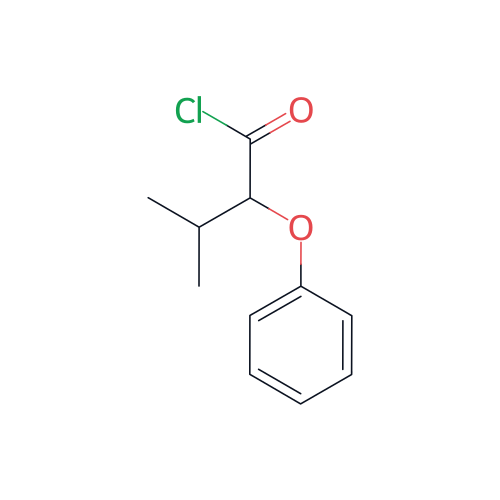
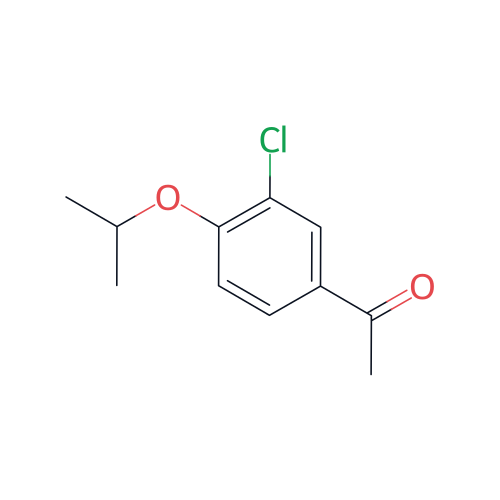
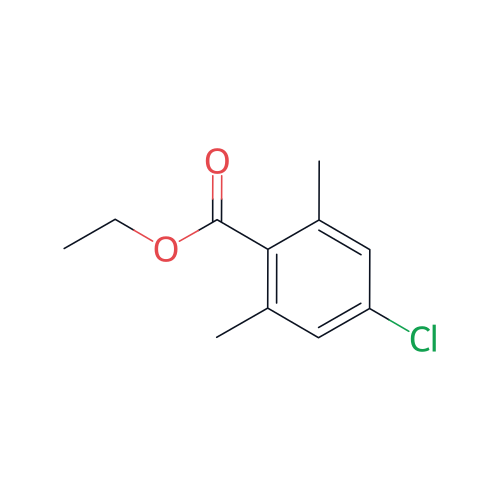
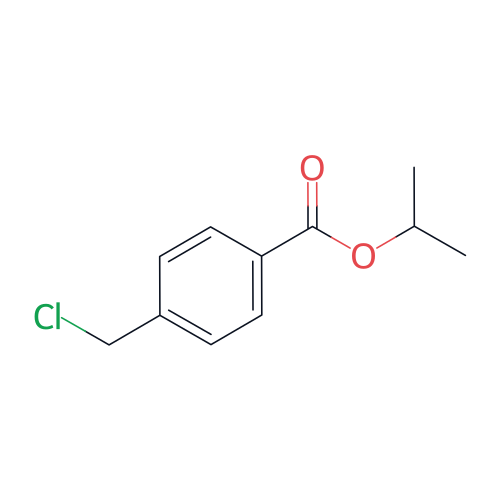
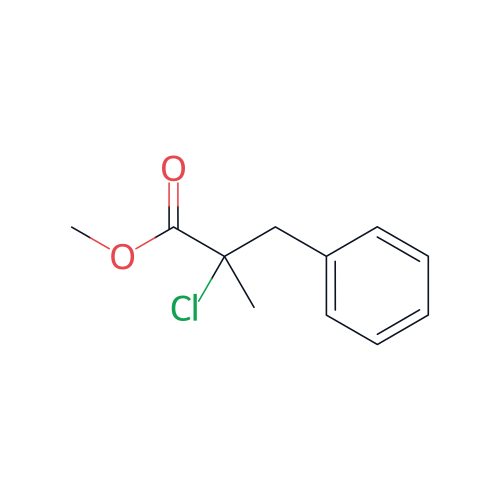
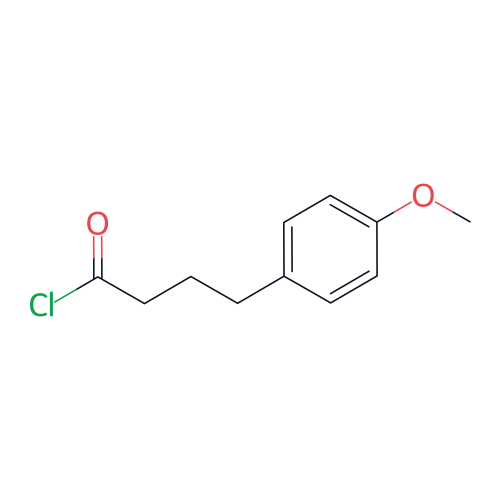
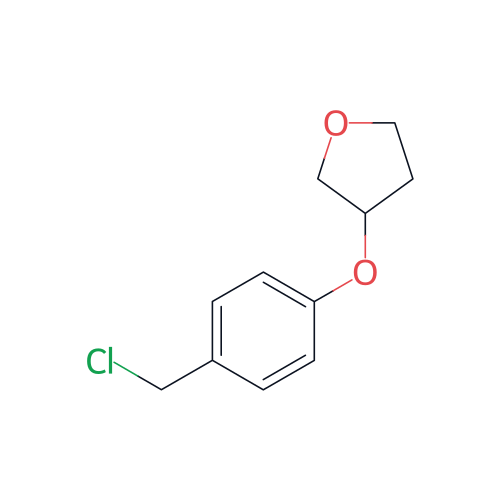
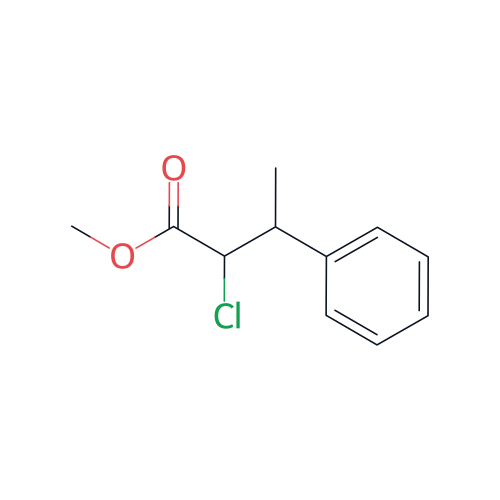


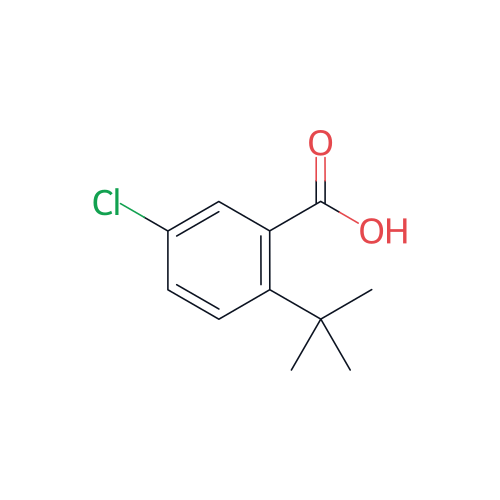
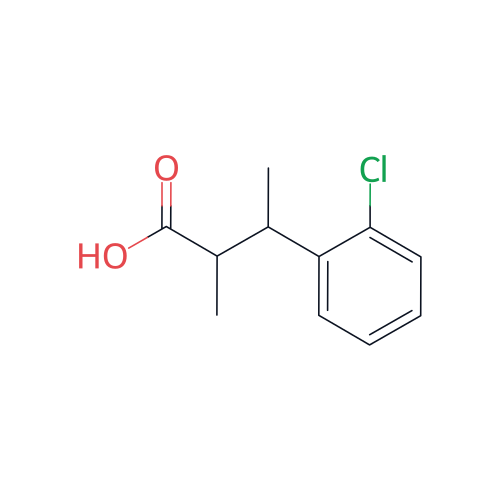
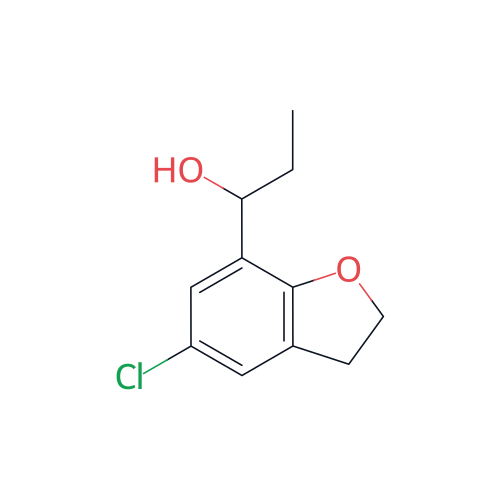
- 2-(Chloromethyl)phenethyl acetate100126-78-1C11H13ClO2
- (AlphaS)-4-chloro-alpha-(1-methylethyl)benzeneacetic acid55332-38-2C11H13ClO2
- 5-(Chloromethyl)-6-propyl-1,3-benzodioxole1938-32-5C11H13ClO2
- 3-(Chloromethyl)-2,4,6-trimethylbenzoic acid52411-49-1C11H13ClO2
- Carbonochloridic acid, 4-(1,1-dimethylethyl)phenyl ester33129-84-9C11H13ClO2
- 2 suppliersEthyl 3-(4-chlorophenyl)propanoate7116-36-1C11H13ClO2
- Hydrocinnamic acid, p-chloro-beta,beta-dimethyl-42288-16-4C11H13ClO2
- 5-Chloro-2-isobutoxybenzaldehyde27590-77-8C11H13ClO2
- (R)-2-(4-Chlorophenyl)-3-methylbutanoic acid63640-09-5C11H13ClO2
- 1-[4-(3-Chloropropoxy)phenyl]ethanone91427-23-5C11H13ClO2
- Ethyl 3-(3-chlorophenyl)propanoate7116-35-0C11H13ClO2
- Butyl 4-chlorobenzoate27942-64-9C11H13ClO2
- 5-(4-Chlorophenyl)pentanoic acid161725-12-8C11H13ClO2
- Methyl 2-(4-chlorophenyl)-2-methylpropanoate57225-86-2C11H13ClO2
- Acetic acid, chloro-, 3-phenylpropyl ester64046-48-6C11H13ClO2
- 4-sec-Butoxy-3-chlorobenzaldehyde339546-96-2C11H13ClO2
- 4-Isobutoxy-benzoyl chloride40782-45-4C11H13ClO2
- 2-Butoxy-5-chlorobenzaldehyde27590-76-7C11H13ClO2
- Ethyl 3-(2-chlorophenyl)propanoate30573-88-7C11H13ClO2
- 3-Butoxybenzoyl chloride89790-29-4C11H13ClO2
- Isobutyl 2-chlorobenzoate32357-17-8C11H13ClO2
- Isobutyl 4-chlorobenzoate29234-88-6C11H13ClO2
- m-tert-Butylphenyl chloroformate49561-88-8C11H13ClO2
- Benzoic acid, 4-chloro-, 1,1-dimethylethyl ester712-95-8C11H13ClO2
- 1-(3-Chloro-4-propoxyphenyl)ethanone37612-46-7C11H13ClO2
- 2-(2-Chlorophenyl)-3-methylbutanoic acid1181645-75-9C11H13ClO2
- Benzoic acid, 2-chloro, butyl ester52468-48-1C11H13ClO2
- Ethyl 4-(2-chloroethyl)benzoate890170-93-1C11H13ClO2
- 4-tert-Butyl-5-chloro-2-hydroxybenzaldehyde914225-72-2C11H13ClO2
- Methyl 2-(2-chlorophenyl)-2-methylpropanoate736055-19-9C11H13ClO2
- 4-(Chloromethyl)-2-methyl-2-phenyl-1,3-dioxolane66089-98-3C11H13ClO2
- 4-Methylphenyl 4-chlorobutanoate23051-24-3C11H13ClO2
- 5-tert-Butyl-3-chloro-2-hydroxy-benzaldehyde71730-43-3C11H13ClO2
- 2-Hydroxy-3-tert-butyl-5-chloro-benzaldehyde135395-82-3C11H13ClO2
- Ethyl 2-(4-(chloromethyl)phenyl)acetate68767-29-3C11H13ClO2
- 5-tert-Butyl-2-chlorobenzoic acid60772-72-7C11H13ClO2
- 3-Chloro-5-tert-butylbenzoic acid1000341-32-1C11H13ClO2
- [4-Chloro-2-(cyclopropylmethoxy)phenyl]methanol1613412-79-5C11H13ClO2
- Methyl 4-chloro-3-isopropylbenzoate1809168-66-8C11H13ClO2
- Ethyl 2-chloro-3-phenylpropanoate7497-19-0C11H13ClO2
- 3-Isobutoxybenzoyl chloride443290-10-6C11H13ClO2
- 4-Chloro-1-(3-methoxyphenyl)-1-oxobutane258882-48-3C11H13ClO2
- Methyl 2-(3-chlorophenyl)-2-methylpropanoate101233-58-3C11H13ClO2
- 2-Methyl-2-(4-methylphenoxy)propanoyl chloride116762-24-4C11H13ClO2
- 2-Butoxybenzoyl chloride54090-37-8C11H13ClO2
- 2-Methyl-2-(3-methylphenoxy)propanoyl chloride63294-13-3C11H13ClO2
- 2-(2-Methylpropoxy)benzoyl chloride318729-75-8C11H13ClO2
- 2-(3,4-Dimethylphenoxy)propanoyl chloride1114595-03-7C11H13ClO2
- 2-(3,5-Dimethylphenoxy)propanoyl chloride81866-01-5C11H13ClO2
- 2-(2,3-Dimethylphenoxy)propanoyl chloride1114594-95-4C11H13ClO2
- 2-(4-Ethylphenoxy)propanoyl chloride1114594-91-0C11H13ClO2
- 2-(2,4-Dimethylphenoxy)propanoyl chloride1114594-99-8C11H13ClO2
- 1-(5-Chloro-2-methoxyphenyl)-2-methylpropan-1-one848997-63-7C11H13ClO2
- 2-Phenylethyl 3-chloropropanoate32364-84-4C11H13ClO2
- 4-Chloro-1-(2-methoxyphenyl)butan-1-one40877-17-6C11H13ClO2
- Benzoic acid, 3-chloro-, 1,1-dimethylethyl ester16537-17-0C11H13ClO2
- 2-Methyl-2-(2-methylphenoxy)propanoyl chloride116762-25-5C11H13ClO2
- 2-Chloro-1-(4-isopropoxyphenyl)ethan-1-one40805-60-5C11H13ClO2
- 2-Chloro-3-(2,4-dimethoxyphenyl)-1-propene951891-07-9C11H13ClO2
- 2-(2-Methylphenoxy)butanoyl chloride1160257-50-0C11H13ClO2
- 3-(Chloromethyl)-4-propoxybenzaldehyde1171935-92-4C11H13ClO2
- 2-Chloro-1-(4-ethoxyphenyl)propan-1-one790270-99-4C11H13ClO2
- 2-Chloro-3-(3,4-dimethoxyphenyl)-1-propene111860-79-8C11H13ClO2
- 1-[3-(3-Chloropropoxy)phenyl]ethanone104605-75-6C11H13ClO2
- 3-Chloro-4-isobutoxybenzaldehyde58236-93-4C11H13ClO2
- Methyl 4-(4-chlorophenyl)butanoate20637-04-1C11H13ClO2
- 2-Chloro-3-(2,5-dimethoxyphenyl)-1-propene951891-13-7C11H13ClO2
- 2-[(4-Chloro-3-methylphenyl)methyl]-1,3-dioxolane898785-16-5C11H13ClO2
- 3-(3-Chlorophenyl)-3-methylbutanoic acid4094-61-5C11H13ClO2
- [5-Chloro-2-(cyclopropylmethoxy)phenyl]methanol1154338-83-6C11H13ClO2
- 1-(3-Chloro-4-ethoxyphenyl)propan-1-one857391-37-8C11H13ClO2
- 4-Butoxy-3-chlorobenzaldehyde68755-10-2C11H13ClO2
- 4-(4-Chlorophenyl)-tetrahydro-2H-pyran-4-ol853886-95-0C11H13ClO2
- Ethyl 4-chloro-3,5-dimethylbenzoate1256466-44-0C11H13ClO2
- Butyl 3-chlorobenzoate63987-54-2C11H13ClO2
- Valeric acid, 4-chlorophenyl ester104316-32-7C11H13ClO2
Frequently asked questions
What is the molar mass of C11H13ClO2?
The molar mass of C11H13ClO2 is 212.67 g/mol, calculated from standard atomic weights for 11 carbon atoms, 13 hydrogen atoms, 1 chlorine atom and 2 oxygen atoms. The monoisotopic mass is 212.0604 Da.
How many compounds have the formula C11H13ClO2?
CompoundList lists 534 compounds with the molecular formula C11H13ClO2, including Benzeneacetic acid, 4-chloro-alpha-(1-methylethyl)-, 4-Butoxybenzoyl chloride, 4-(4-Chlorophenyl)-3-methylbutanoic acid. Compounds that share a formula are isomers. They contain the same atoms arranged differently, so their properties, uses and prices can be very different.
What is the degree of unsaturation of C11H13ClO2?
C11H13ClO2 has a degree of unsaturation of 5. That is the total number of rings and pi bonds (a double bond counts as one, a triple bond as two) in any structure with this formula.