C16H13NO2
500 compounds have this formula on CompoundList.
- Molar mass
- 251.28g/mol
- Monoisotopic mass
- 251.0946Da
- Atoms
- 32
- Elements
- 4
- Rings plus double bonds
- 11
The formula C16H13NO2 describes a molecule made of 16 carbon atoms, 13 hydrogen atoms, 1 nitrogen atom and 2 oxygen atoms. It is written in Hill notation: carbon first, then hydrogen, then the other elements in alphabetical order. The formula tells you which atoms are present, not how they are connected, which is why several different chemicals can share it.
Elemental composition
- C Carbon × 1676.48%12.011 × 16 = 192.176 g/mol
- H Hydrogen × 135.21%1.008 × 13 = 13.104 g/mol
- N Nitrogen × 15.57%14.007 × 1 = 14.007 g/mol
- O Oxygen × 212.73%15.999 × 2 = 31.998 g/mol
Compounds with the formula C16H13NO2
Isomers we list, best known first. Open one to see its structure, properties, safety data and suppliers.
Showing 301 to 400 of 500 compounds
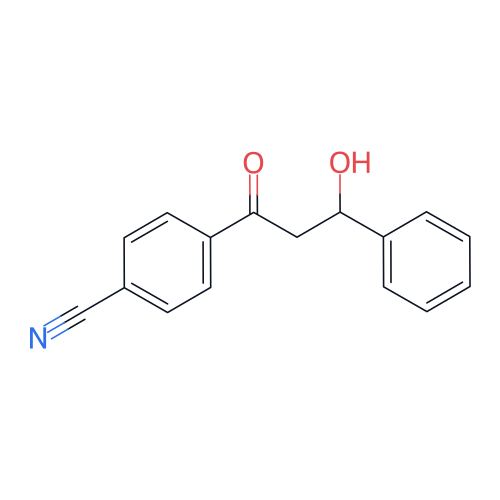
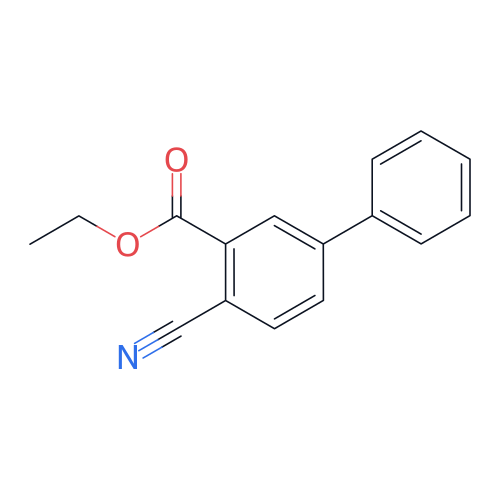
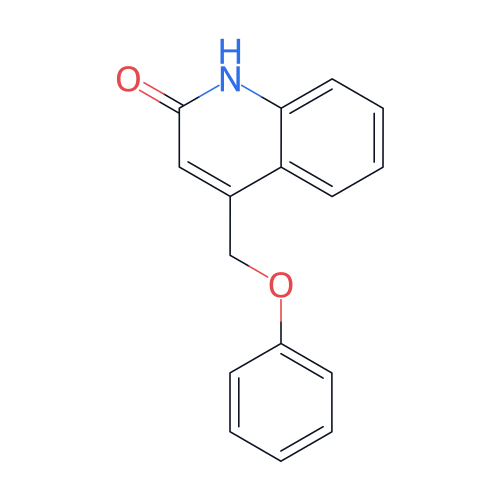
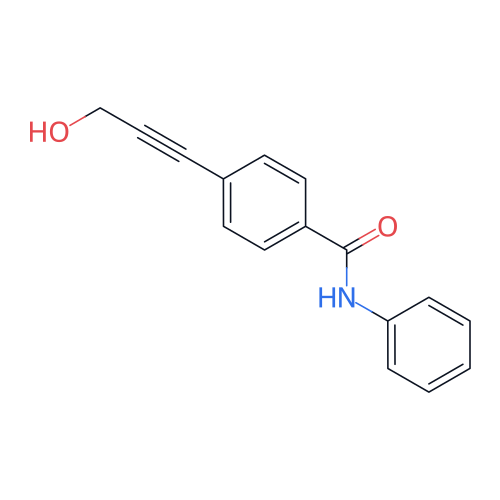

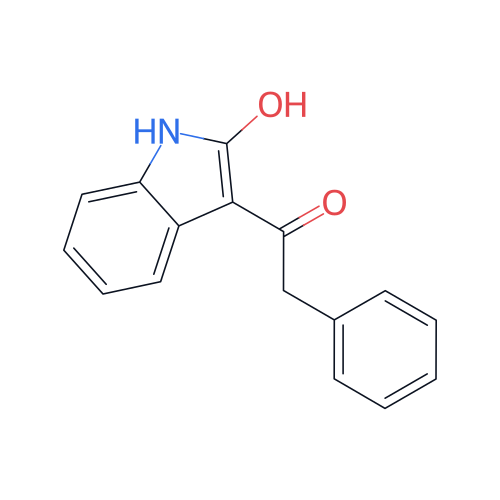
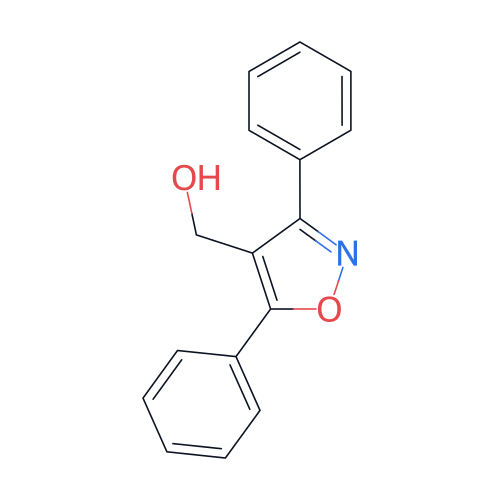


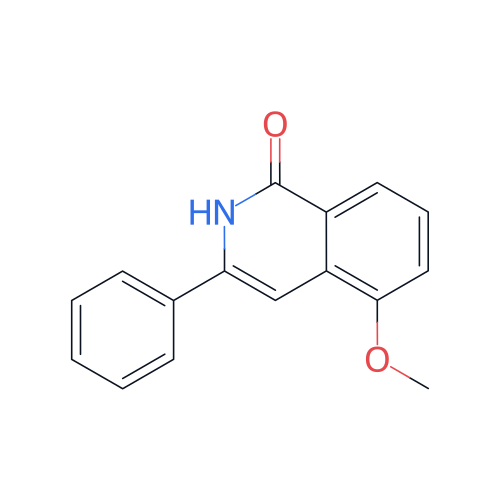
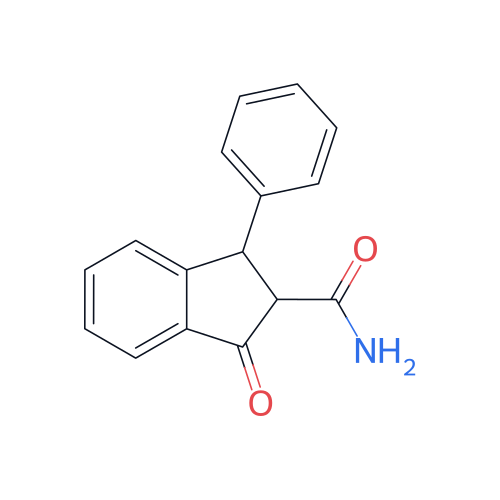

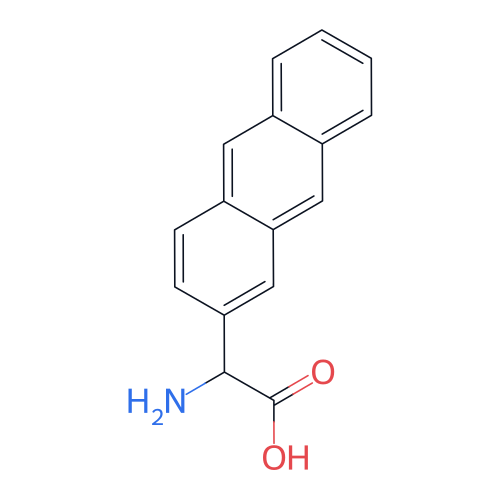

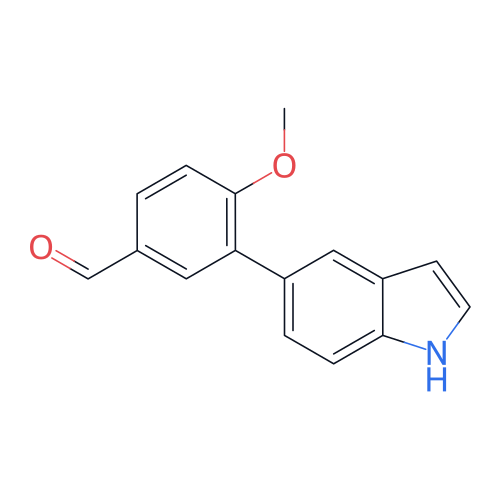
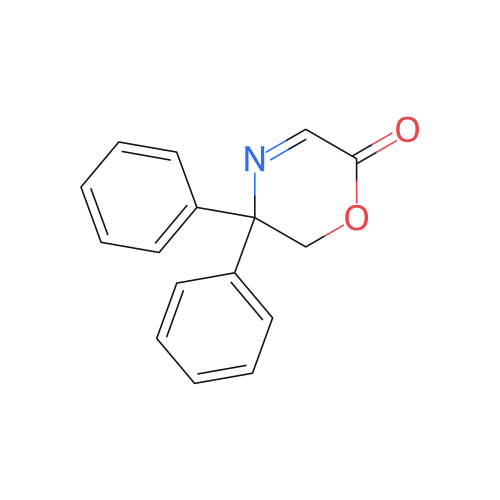
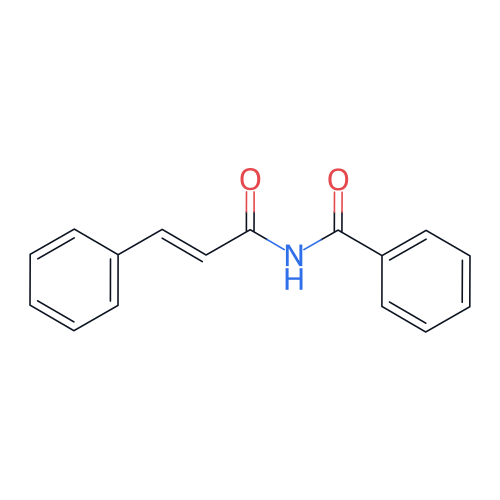
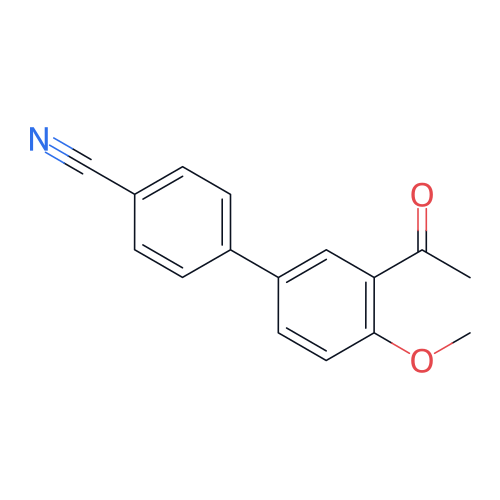
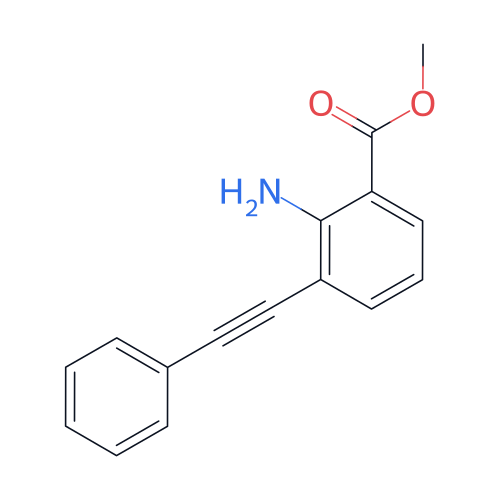
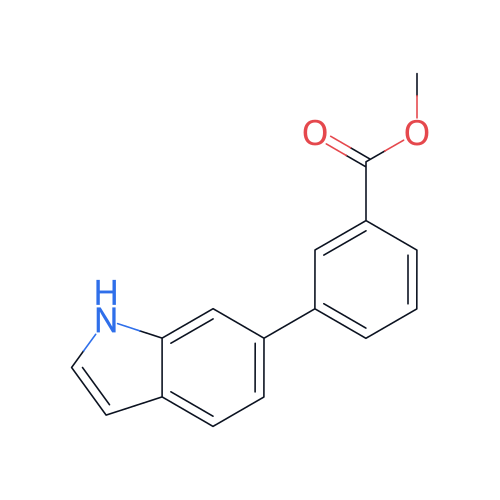


- Methyl 4'-cyano-2-methyl[1,1'-biphenyl]-4-carboxylate648882-67-1C16H13NO2
- N-(2-Methyl-3-phenyl-4H-1-benzopyran-4-ylidene)hydroxylamine89296-03-7C16H13NO2
- N-(6-Methyl-3-phenyl-4H-1-benzopyran-4-ylidene)hydroxylamine60188-53-6C16H13NO2
- 4-(Furan-2-yl)-2-[2-(furan-2-yl)ethenyl]-6-methylpyridine928207-86-7C16H13NO2
- Methyl 3-ethynyl-5-(5-methylpyridin-2-yl)benzoate1150262-91-1C16H13NO2
- Methyl cyano(diphenyl)acetate24131-08-6C16H13NO2
- 2-[4-(Benzyloxy)phenyl]-3-hydroxyprop-2-enenitrile2111898-30-5C16H13NO2
- (2R)-2-Amino-2-(2-anthryl)acetic acid1213421-20-5C16H13NO2
- 7-(o-Tolyl)-1H-indole-2-carboxylic acid2951106-37-7C16H13NO2
- 2-[(3aS,8aR)-3a,8a-Dihydro-8H-indeno[1,2-d]oxazol-2-yl]phenol2770842-83-4C16H13NO2
- 2-Hydroxyimino-3-methyl-3-phenyl-indan-1-one24306-27-2C16H13NO2
- 7-(m-Tolyl)-1H-indole-2-carboxylic acid2951106-05-9C16H13NO2
- 7-(p-Tolyl)-1H-indole-2-carboxylic acid2951105-97-6C16H13NO2
- Dimethylnitrophenanthrene80182-27-0C16H13NO2
- Anthracene, dimethylnitro-80191-45-3C16H13NO2
- Methyl 3-(1H-indol-5-yl)benzoate889957-58-8C16H13NO2
- 5(4H)-Oxazolone, 2-(4-methylphenyl)-4-phenyl-63013-17-2C16H13NO2
- (3S)-8-Methyl-3-phenyl-1H-quinoline-2,4-dione325146-19-8C16H13NO2
- 5-Methoxy-2-phenylquinolin-4-ol189816-03-3C16H13NO2
- 1,5-Dimethyl-4-acridinecarboxylic acid206531-02-4C16H13NO2
- 3-Hydroxy-2-methyl-1-phenylquinolin-4(1H)-one223752-75-8C16H13NO2
- 7-Benzylaminocoumarin57597-32-7C16H13NO2
- 5-Ethyl-4-acridinecarboxylic acid190845-00-2C16H13NO2
- Benzyl N-(2-ethynylphenyl)carbamate371153-70-7C16H13NO2
- Methanone, 2,3-aziridinediylbis[phenyl-88714-57-2C16H13NO2
- 1-(4-Methoxyphenyl)isoquinolin-3(2H)-one61561-66-8C16H13NO2
- Spiro[4.5]deca-3,6,9-triene-2,8-dione, 4-amino-3-phenyl-62234-97-3C16H13NO2
- 2H-Pyrrol-2-one, 1,5-dihydro-5-hydroxy-3,4-diphenyl-62142-81-8C16H13NO2
- 6-Methoxy-3-phenyl-2H-isoquinolin-1-one630422-13-8C16H13NO2
- (4-Hydroxyphenyl)(2-methyl-3-indolizinyl)methanone64466-52-0C16H13NO2
- 2H-Spiro[pyrrolidine-3,9'-xanthen]-2-one70650-94-1C16H13NO2
- 2-(2,6-Dimethylpyridin-4-yl)-1H-indene-1,3(2H)-dione56107-13-2C16H13NO2
- 3-(2-Methoxyphenyl)-5-phenylisoxazole89263-88-7C16H13NO2
- 7-[(Pyridin-2-yl)methoxy]naphthalen-2-ol109485-92-9C16H13NO2
- 4,5,9,10-Tetrahydro-1-nitropyrene123348-28-7C16H13NO2
- 3-Ethyl-5H-dibenz[b,e]azepine-6,11-dione1151-85-5C16H13NO2
- 2-(3-Methylphenoxy)-I(2)-oxobenzenepropanenitrile136562-70-4C16H13NO2
- 5,7-Dimethyl-4-acridinecarboxylic acid188054-49-1C16H13NO2
- Ethyl 2'-cyano-[1,1'-biphenyl]-2-carboxylate346656-54-0C16H13NO2
- 2-(4-Methylphenyl)-1H-indole-5-carboxylic acid2137550-75-3C16H13NO2
- 11-Methyl-5,11-dihydrofuro[2,3-c]acridin-6(4H)-one94123-39-4C16H13NO2
- (9H-Carbazol-9-yl)methyl prop-2-enoate19091-00-0C16H13NO2
- N-(2H-Chromen-3-yl)benzamide539857-50-6C16H13NO2
- 3-(2-Benzoylphenyl)prop-2-enamide139437-21-1C16H13NO2
- 4-Benzyl-2-phenyl-1,3-oxazol-5-ol195449-20-8C16H13NO2
- 2-Methyl-4,4-diphenyl-1,3-oxazol-5(4H)-one57052-47-8C16H13NO2
- 3'-Formyl-4'-methoxy-2-methyl[1,1'-biphenyl]-4-carbonitrile923281-50-9C16H13NO2
- (Indolizin-3-yl)(3-methoxyphenyl)methanone675139-22-7C16H13NO2
- (Indolizin-3-yl)(4-methoxyphenyl)methanone618067-79-1C16H13NO2
- 3-[1,1'-Biphenyl]-4-yl-5-isoxazolemethanol215319-10-1C16H13NO2
- 5-Methyl-1-(4-methylphenyl)-1H-indole-2,3-dione856344-39-3C16H13NO2
- 4-[(E)-(3-Phenylprop-2-en-1-ylidene)amino]benzoic acid60027-83-0C16H13NO2
- 4-(4-Methoxy-8-quinolinyl)phenol1401818-44-7C16H13NO2
- Methyl 3-phenyl-1H-indole-5-carboxylate1160437-40-0C16H13NO2
- 3,4-Dimethyl-1-(naphthalen-1-yl)-1H-pyrrole-2,5-dione89068-59-7C16H13NO2
- 3-{2-[2-(Pyridin-2-yl)ethenyl]phenyl}prop-2-enoic acid139682-44-3C16H13NO2
- 5-Hydroxy-4-(p-tolyl)isoquinolin-1(2H)-one656234-20-7C16H13NO2
- 4-(3,4-Dihydroisoquinolin-1-yl)benzoic acid62333-68-0C16H13NO2
- 2-[(E)-(3-Phenylprop-2-en-1-ylidene)amino]benzoic acid60027-81-8C16H13NO2
- 2-Hydroxy-1-(2-phenyl-1H-indol-3-yl)ethan-1-one927802-01-5C16H13NO2
- Methyl 2-[4-(3-cyanophenyl)phenyl]acetate1820650-18-7C16H13NO2
- 1-Phenyl-1H-indole-2-carboxylic acid methyl ester78945-61-6C16H13NO2
- N-[(3-Methoxy-2-benzofuranyl)methylene]benzenamine40620-01-7C16H13NO2
- 3-[4-(Benzyloxy)phenyl]isoxazole1778872-92-6C16H13NO2
- Methyl 4-[2-(3-aminophenyl)ethynyl]benzoate2059994-07-7C16H13NO2
- Aminomethylisoflavone1300583-51-0C16H13NO2
- 2-Acetyl-5,11-dihydro-6H-dibenz[b,e]azepin-6-one1092352-39-0C16H13NO2
- 4-(3-Methoxy-2-quinolinyl)phenol1401819-39-3C16H13NO2
- 2-(Benzyloxy)quinolin-7-ol1427053-52-8C16H13NO2
- Benzene, 1-ethyl-4-[(4-nitrophenyl)ethynyl]-22692-81-5C16H13NO2
- 2-Methoxy-4-(quinolin-2-yl)phenol2550104-03-3C16H13NO2
- Methyl 4-methyl-3-(pyridin-3-ylethynyl)benzoate2507433-39-6C16H13NO2
- 3-(4-Hydroxy-3-methylphenyl)-1(2H)-isoquinolinone20434-94-0C16H13NO2
- Methanone, (2-ethyl-3-benzofuranyl)-2-pyridinyl-17694-69-8C16H13NO2
- 6,7-Dihydro-6-oxo-5H-dibenzo[a,c]cycloheptene-5-carboxamide3526-28-1C16H13NO2
- N-(2-Phenyl-5-benzofuranyl)acetamide77084-16-3C16H13NO2
Frequently asked questions
What is the molar mass of C16H13NO2?
The molar mass of C16H13NO2 is 251.28 g/mol, calculated from standard atomic weights for 16 carbon atoms, 13 hydrogen atoms, 1 nitrogen atom and 2 oxygen atoms. The monoisotopic mass is 251.0946 Da.
How many compounds have the formula C16H13NO2?
CompoundList lists 500 compounds with the molecular formula C16H13NO2, including 4-(3-Hydroxy-1-oxo-3-phenylpropyl)benzonitrile, Ethyl 4-cyano[1,1'-biphenyl]-3-carboxylate, 4-(Phenoxymethyl)-1H-quinolin-2-one. Compounds that share a formula are isomers. They contain the same atoms arranged differently, so their properties, uses and prices can be very different.
What is the degree of unsaturation of C16H13NO2?
C16H13NO2 has a degree of unsaturation of 11. That is the total number of rings and pi bonds (a double bond counts as one, a triple bond as two) in any structure with this formula.