C6H12ClNO2
285 compounds have this formula on CompoundList.
- Molar mass
- 165.62g/mol
- Monoisotopic mass
- 171.0933Da
- Atoms
- 22
- Elements
- 5
- Rings plus double bonds
- 1
The formula C6H12ClNO2 describes a molecule made of 6 carbon atoms, 12 hydrogen atoms, 1 chlorine atom, 1 nitrogen atom and 2 oxygen atoms. It is written in Hill notation: carbon first, then hydrogen, then the other elements in alphabetical order. The formula tells you which atoms are present, not how they are connected, which is why several different chemicals can share it.
Elemental composition
- C Carbon × 643.51%12.011 × 6 = 72.066 g/mol
- H Hydrogen × 127.30%1.008 × 12 = 12.096 g/mol
- Cl Chlorine × 121.40%35.45 × 1 = 35.450 g/mol
- N Nitrogen × 18.46%14.007 × 1 = 14.007 g/mol
- O Oxygen × 219.32%15.999 × 2 = 31.998 g/mol
Compounds with the formula C6H12ClNO2
Isomers we list, best known first. Open one to see its structure, properties, safety data and suppliers.
Showing 101 to 200 of 285 compounds
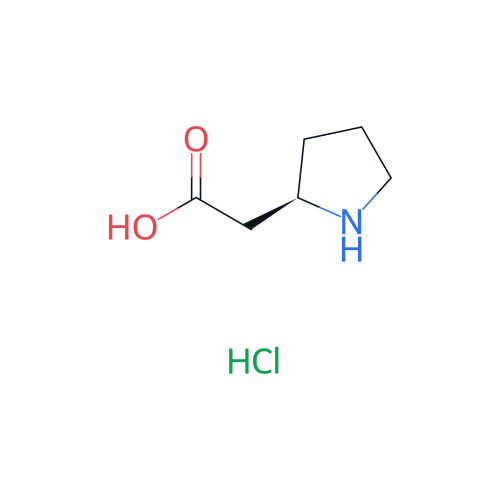
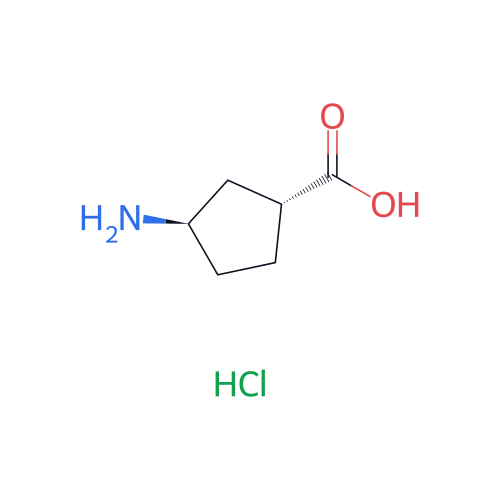
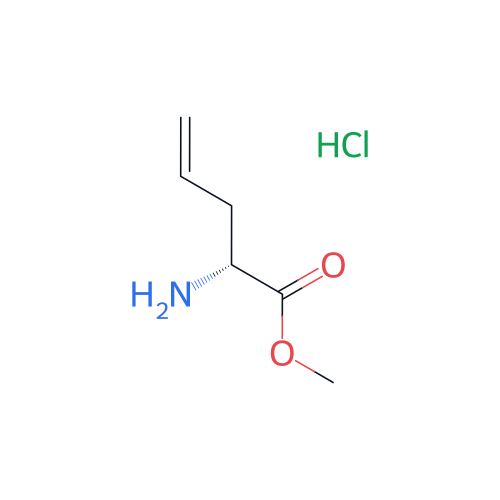

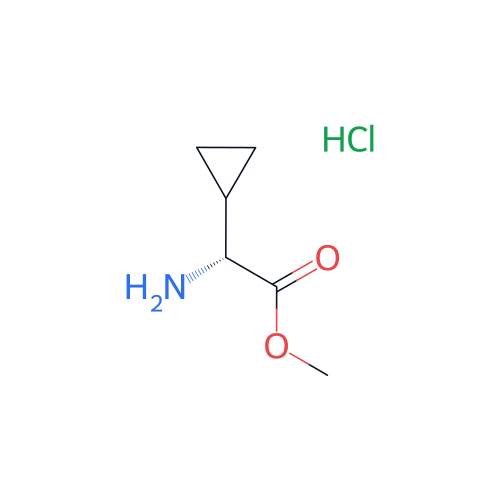

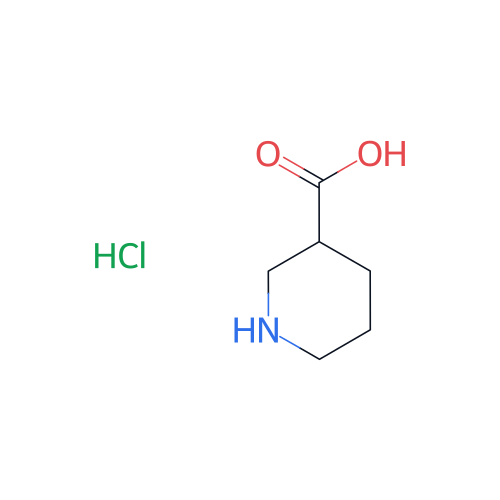

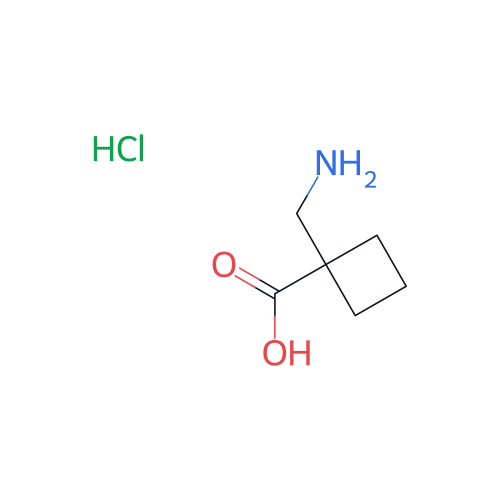


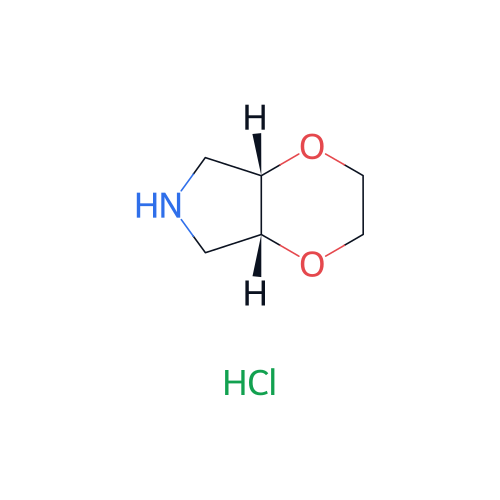
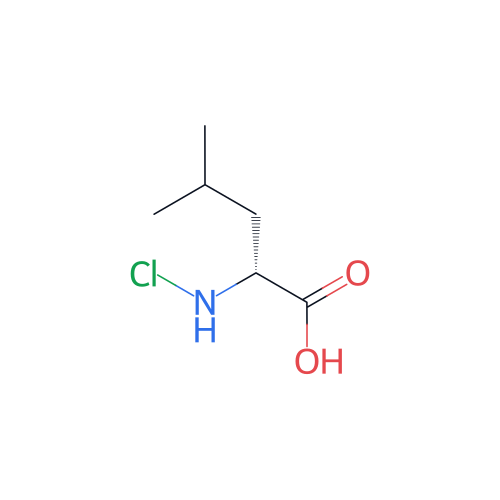


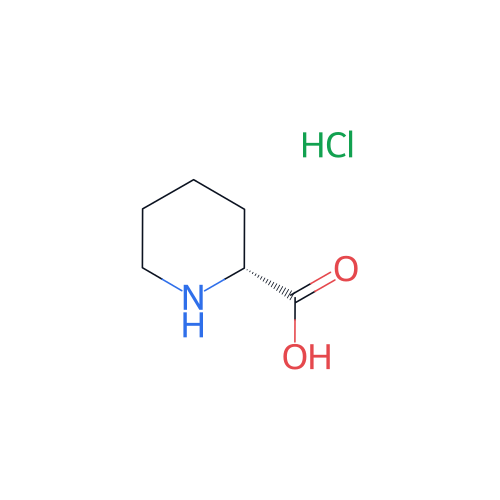


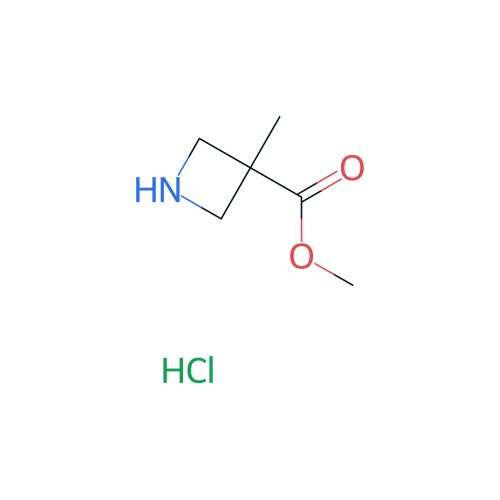

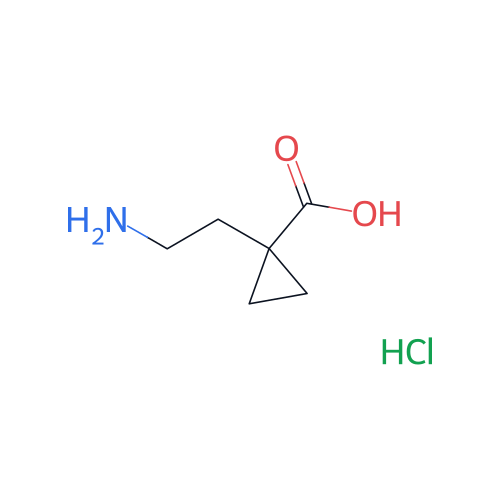

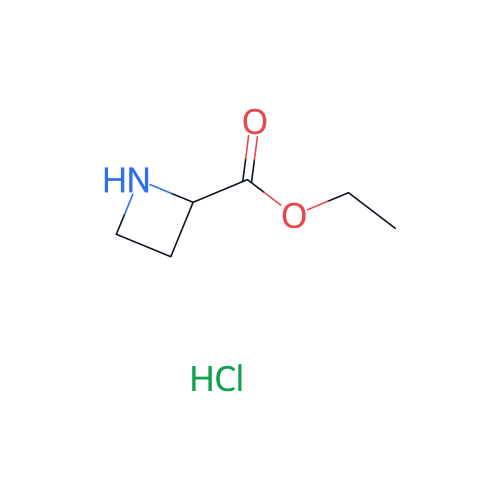
- 2-(1-Aminocyclobutyl)acetic acid hydrochloride1335042-49-3C6H12ClNO2
- trans-3,4a,5,6,7,7a-Hexahydro-2H-[1,4]dioxino[2,3-c]pyrrole, hydrochloride2306245-17-8C6H12ClNO2
- Methyl 1-(methylamino)cyclopropanecarboxylate hydrochloride99324-93-3C6H12ClNO2
- 2-(1-Methylcyclopropyl)glycine hydrochloride, (R)-1334675-15-8C6H12ClNO2
- 3-Methylpyrrolidine-3-carboxylic acid hydrochloride1222503-25-4C6H12ClNO2
- 1-Amino-3-methylcyclobutane-1-carboxylic acid hydrochloride2126164-58-5C6H12ClNO2
- Methyl 2-(cyclopropylamino)acetate hydrochloride182291-97-0C6H12ClNO2
- 1 suppliers[(3R,6S)-3-Amino-3,6-dihydro-2H-pyran-6-yl]methanol, hydrochloride1398569-90-8C6H12ClNO2
- Methyl 2-methylazetidine-2-carboxylate hydrochloride309978-00-5C6H12ClNO2
- (1s,3s)-3-(Methylamino)cyclobutane-1-carboxylic acid hydrochloride2059915-19-2C6H12ClNO2
- (4-Amino-2-oxabicyclo[2.1.1]hexan-1-yl)methanol, hydrochloride2260930-89-8C6H12ClNO2
- 2-Chloro-N-(3-methoxypropyl)acetamide1709-03-1C6H12ClNO2
- (E)-2-(2-Aminoethyl)but-2-enoic acid hydrochloride1379403-11-8C6H12ClNO2
- 3-Methylpyrrolidine-2-carboxylic acid hydrochloride14704-69-9C6H12ClNO2
- 1-(Methylamino)cyclobutane-1-carboxylic acid hydrochloride1909336-52-2C6H12ClNO2
- (Trans)-hexahydro-2H-[1,4]dioxino[2,3-c]pyrrole hydrochloride2219378-84-2C6H12ClNO2
- (E)-6-Amino-2-hexenoic Acid Hydrochloride19991-88-9C6H12ClNO2
- Methyl (2r)-2-methylazetidine-2-carboxylate hydrochloride1391077-78-3C6H12ClNO2
- (R)-2-Amino-2-cyclobutylacetic acid hydrochloride1958125-89-7C6H12ClNO2
- Piperidine-1-carboxylic acid hydrochloride2089649-59-0C6H12ClNO2
- Methyl 2-methylazetidine-3-carboxylate hydrochloride1638761-38-2C6H12ClNO2
- Methyl (2s)-2-methylazetidine-2-carboxylate hydrochloride1391080-13-9C6H12ClNO2
- (3S,4S)-4-Methylpyrrolidine-3-carboxylic acid hydrochloride1909287-65-5C6H12ClNO2
- (2S,5R)-5-Methylpyrrolidine-2-carboxylic acid hydrochloride38228-15-8C6H12ClNO2
- Methyl (2S,3R)-2-methylazetidine-3-carboxylate, hydrochloride2231665-37-3C6H12ClNO2
- trans-4-Methylpyrrolidine-3-carboxylic Acid Hydrochloride2307776-47-0C6H12ClNO2
- Carbamic acid, propyl-, 2-chloroethyl ester20074-88-8C6H12ClNO2
- 2-Chloro-N-(2-ethoxyethyl)acetamide321861-48-7C6H12ClNO2
- (S)-Azetidine-2-carboxylic acid ethyl ester hydrochloride96287-28-4C6H12ClNO2
- (S)-1-Methylpyrrolidine-3-carboxylic acid hydrochloride2361330-10-9C6H12ClNO2
- 3-(Azetidin-3-yl)propanoic acid hydrochloride2098092-43-2C6H12ClNO2
- (2R,5S)-5-Methylpyrrolidine-2-carboxylic acid hydrochloride2173637-37-9C6H12ClNO2
- 2-Chloro-N-(2-methoxyethyl)propanamide923225-03-0C6H12ClNO2
- 2-(Dimethylamino)ethyl chloroacetate34569-11-4C6H12ClNO2
- 3-Aminohex-5-enoic acid hydrochloride1335042-10-8C6H12ClNO2
- 3-Pyrrolidinyl acetate hydrochloride1219949-49-1C6H12ClNO2
- Methyl 2-aminocyclobutane-1-carboxylate hydrochloride1955523-47-3C6H12ClNO2
- 2-Methylpyrrolidine-3-carboxylic acid hydrochloride1803589-97-0C6H12ClNO2
- 1-Dimethylamino-cyclopropanecarboxylic acid hydrochloride1049717-21-6C6H12ClNO2
- Morpholine, 4-(2-chloroethyl)-, 4-oxide99584-75-5C6H12ClNO2
- L-beta-Cyclopropylalanine hydrochloride352525-31-6C6H12ClNO2
- 2-Chloro-N-(1-hydroxy-2-methylpropan-2-yl)acetamide28228-40-2C6H12ClNO2
- (±)-3-Amino-3-methylpent-4-enoic acid hydrochloride1335041-92-3C6H12ClNO2
- 3,3-Dimethylazetidine-2-carboxylic acid hydrochloride2059936-62-6C6H12ClNO2
- (2R,5R)-5-Methylpyrrolidine-2-carboxylic acid hydrochloride38228-13-6C6H12ClNO2
- (E)-Ethyl 4-aminobut-2-enoate hydrochloride2365421-25-4C6H12ClNO2
- Morpholinium, 4,4-dimethyl-2-oxo-, chloride3053-29-0C6H12ClNO2
- 2-Chloro-N-ethyl-N-(2-hydroxyethyl)acetamide103993-97-1C6H12ClNO2
- 2,5-Dioxa-8-azaspiro[3.5]nonane hydrochloride1394840-20-0C6H12ClNO2
- 3-Methoxy-piperidin-4-one hydrochloride1220040-18-5C6H12ClNO2
- trans 4-Dimethylaminocrotonic Acid-d6 Hydrochloride1259519-59-9C6H12ClNO2
- (S)-2-Aminohex-5-enoic acid hydrochloride863660-48-4C6H12ClNO2
- 2-Amino-4-methylpent-4-enoic acid hydrochloride2567495-53-6C6H12ClNO2
- 2-(2-Methylazetidin-1-yl)acetic acid hydrochloride1803601-98-0C6H12ClNO2
- trans-2-Aminocyclobutane-1-carboxylic acid methyl ester hydrochloride1159279-83-0C6H12ClNO2
- 3-[(Prop-2-en-1-yl)amino]propanoic acid hydrochloride857174-65-3C6H12ClNO2
- 2-(2-Aminocyclobutyl)acetic acid hydrochloride2402839-65-8C6H12ClNO2
- 4-Methylpyrrolidine-3-carboxylic acid hydrochloride1365402-38-5C6H12ClNO2
- rac-(1R,2R)-1-Amino-2-ethylcyclopropane-1-carboxylicacidhydrochloride640750-17-0C6H12ClNO2
- (2R,3S)-2-Methylpyrrolidine-3-carboxylic acid hydrochloride2624378-50-1C6H12ClNO2
- (3S)-3-Amino-4,4-dimethyloxolan-2-one hydrochloride153665-45-3C6H12ClNO2
- (2R,3S)-3-Methylpyrrolidine-2-carboxylic Acid Hydrochloride220426-89-1C6H12ClNO2
- N-(2-(2-Chloroethoxy)ethyl)acetamide118974-47-3C6H12ClNO2
- 2-Chloro-N-(2-methoxyethyl)-N-methylacetamide139734-55-7C6H12ClNO2
- 5,9-Dioxa-2-azaspiro[3.5]nonane hydrochloride947534-06-7C6H12ClNO2
- 2-Chloro-N-(2-hydroxy-2-methylpropyl)acetamide1477831-75-6C6H12ClNO2
- 1-[(Methylamino)methyl]cyclopropanecarboxylic acid hydrochloride1628716-31-3C6H12ClNO2
- rac-(1R,2R)-1-(Aminomethyl)-2-methylcyclopropane-1-carboxylic acid hydrochloride2253640-78-5C6H12ClNO2
- (3S)-Pyrrolidin-3-yl acetate hydrochloride1160224-93-0C6H12ClNO2
- (3R)-Pyrrolidin-3-yl acetate hydrochloride665019-36-3C6H12ClNO2
- rac-(1R,2R)-2-(Aminomethyl)-cyclopropaneacetic acid hydrochloride2613299-11-7C6H12ClNO2
- (1S,2R)-2-(Aminomethyl)cyclobutanecarboxylic acid, hydrochloride220256-77-9C6H12ClNO2
- 2-Amino-1-(oxolan-3-yl)ethan-1-one hydrochloride2866354-22-3C6H12ClNO2
- Methyl (1S,2S)-2-(aminomethyl)cyclopropanecarboxylate hydrochloride1973459-69-6C6H12ClNO2
- Ethyl (3-chloropropyl)carbamate63656-11-1C6H12ClNO2
- 2-Methylene-5-aminopentanoic acid hydrochloride68074-15-7C6H12ClNO2
Frequently asked questions
What is the molar mass of C6H12ClNO2?
The molar mass of C6H12ClNO2 is 165.62 g/mol, calculated from standard atomic weights for 6 carbon atoms, 12 hydrogen atoms, 1 chlorine atom, 1 nitrogen atom and 2 oxygen atoms. The monoisotopic mass is 171.0933 Da.
How many compounds have the formula C6H12ClNO2?
CompoundList lists 285 compounds with the molecular formula C6H12ClNO2, including (R)-2-(Pyrrolidin-2-yl)acetic acid hydrochloride, (1R,3R)-3-Aminocyclopentanecarboxylic acid hydrochloride, (R)-Methyl 2-aminopent-4-enoate hydrochloride. Compounds that share a formula are isomers. They contain the same atoms arranged differently, so their properties, uses and prices can be very different.
What is the degree of unsaturation of C6H12ClNO2?
C6H12ClNO2 has a degree of unsaturation of 1. That is the total number of rings and pi bonds (a double bond counts as one, a triple bond as two) in any structure with this formula.