C9H13NO4
386 compounds have this formula on CompoundList.
- Molar mass
- 199.21g/mol
- Monoisotopic mass
- 199.0845Da
- Atoms
- 27
- Elements
- 4
- Rings plus double bonds
- 4
The formula C9H13NO4 describes a molecule made of 9 carbon atoms, 13 hydrogen atoms, 1 nitrogen atom and 4 oxygen atoms. It is written in Hill notation: carbon first, then hydrogen, then the other elements in alphabetical order. The formula tells you which atoms are present, not how they are connected, which is why several different chemicals can share it.
Elemental composition
- C Carbon × 954.26%12.011 × 9 = 108.099 g/mol
- H Hydrogen × 136.58%1.008 × 13 = 13.104 g/mol
- N Nitrogen × 17.03%14.007 × 1 = 14.007 g/mol
- O Oxygen × 432.13%15.999 × 4 = 63.996 g/mol
Compounds with the formula C9H13NO4
Isomers we list, best known first. Open one to see its structure, properties, safety data and suppliers.
Showing 101 to 200 of 386 compounds




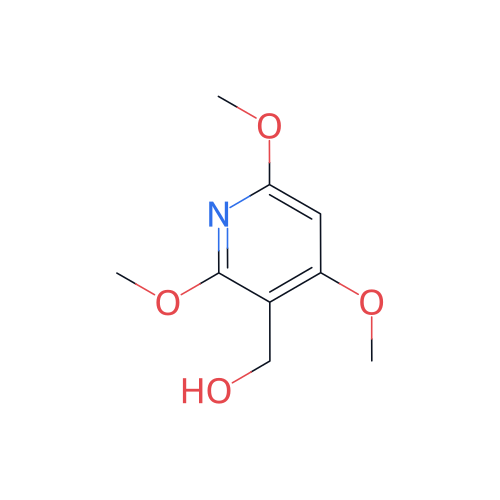
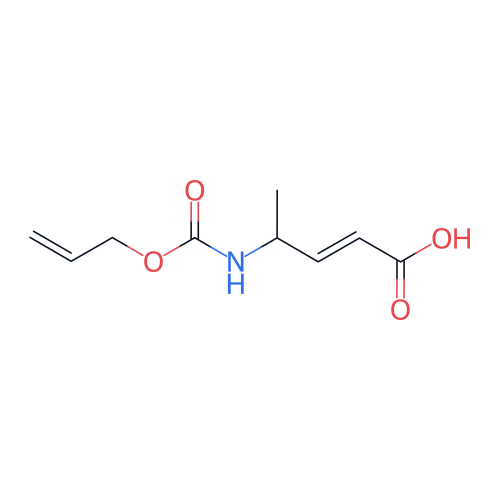
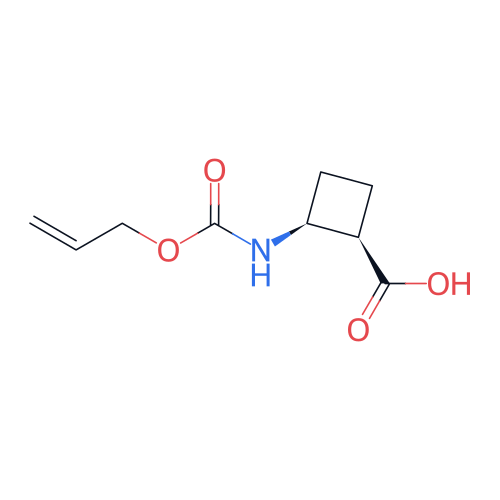

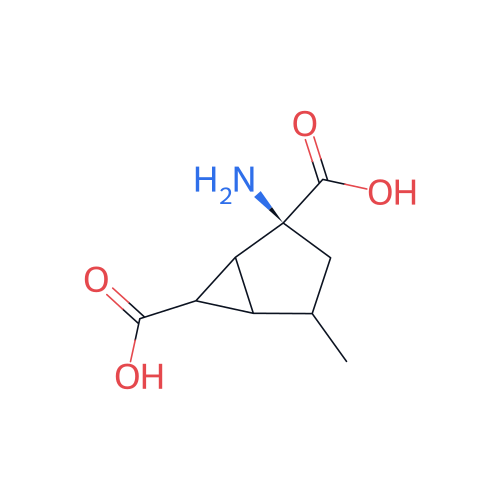
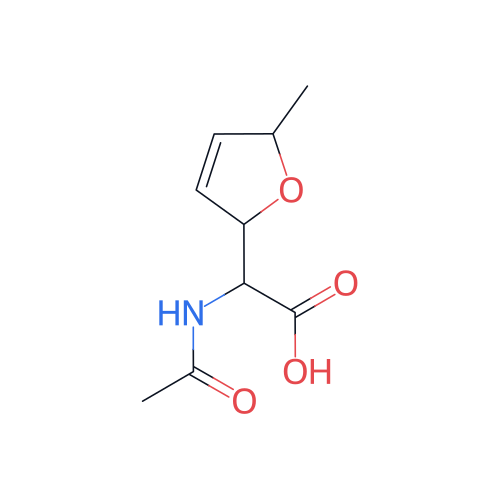


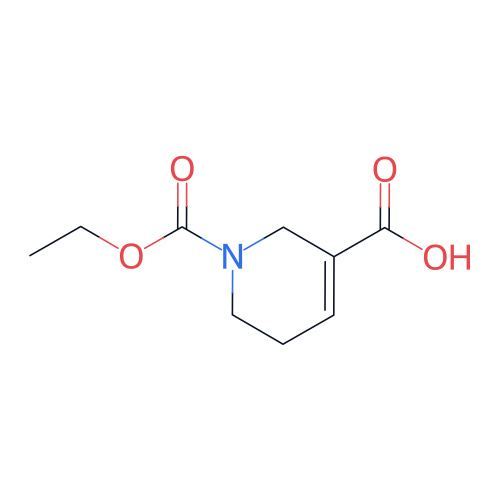
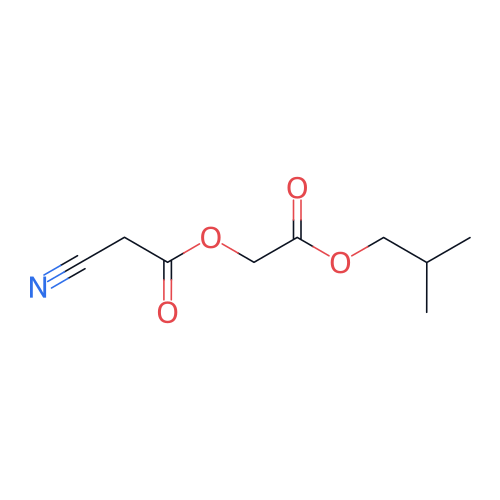

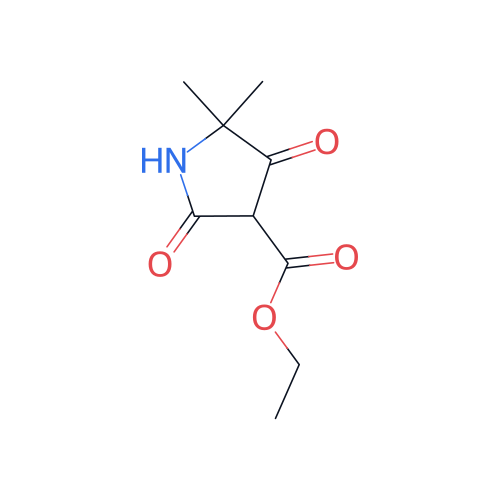

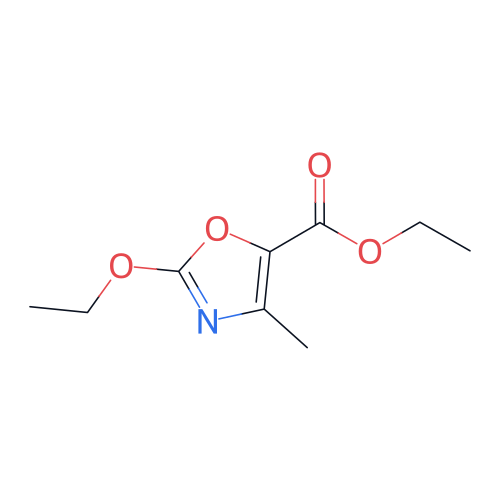
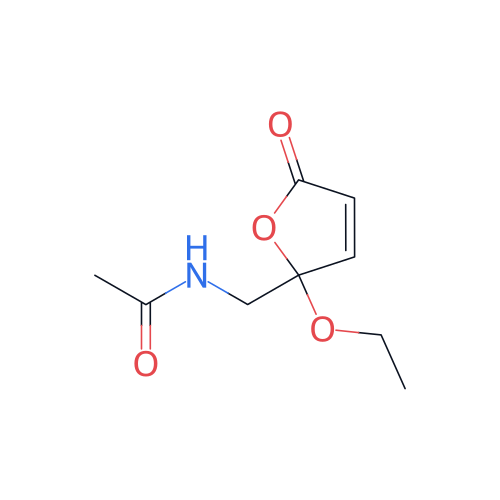
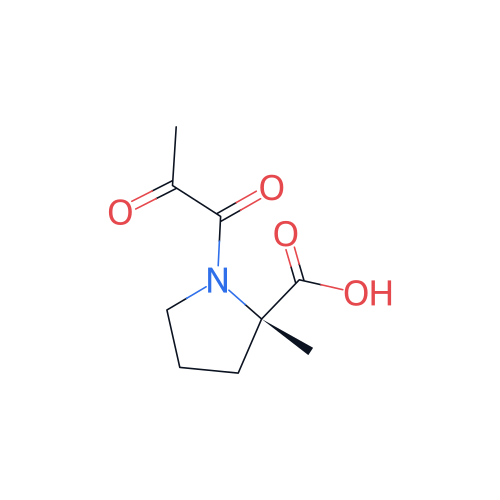
- 2-(4-Hydroxymorpholin-3-yl)-cyclopentane-1,3-dione1312920-99-2C9H13NO4
- Methyl 4-hydroxy-1-isopropyl-5-oxo-2,5-dihydro-1H-pyrrole-3-carboxylate1043381-58-3C9H13NO4
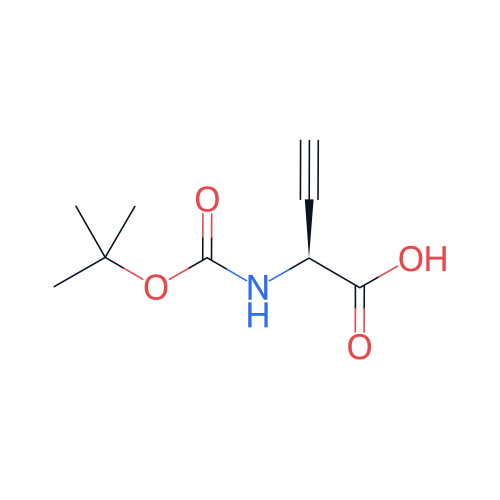
- 2-Boc-aminobut-3-ynoic acid1378291-21-4C9H13NO4
- 2-[(3R)-3-Methyl-2,5-dioxopyrrolidin-1-yl]ethyl acetate474527-81-6C9H13NO4
- 2-Cyclopropyl-2-{[(prop-2-en-1-yloxy)carbonyl]amino}acetic acid1342415-41-1C9H13NO4
- 2-{Cyclopropyl[(prop-2-en-1-yloxy)carbonyl]amino}acetic acid1342480-73-2C9H13NO4
- Nitric acid--3-phenylpropan-1-ol (1/1)54894-18-7C9H13NO4
- (1S,2S,5R,6S)-2-Amino-2-(methoxycarbonyl)bicyclo[3.1.0]hexane-6-carboxylic acid2248199-32-6C9H13NO4
- Ethyl 2-oxo-2-(4-oxopiperidin-3-yl)acetate2680849-24-3C9H13NO4
- 2-[(Prop-2-en-1-yl)[(prop-2-en-1-yloxy)carbonyl]amino]acetic acid1531781-74-4C9H13NO4
- 3-(N-Cyclopropylacetamido)oxetane-3-carboxylic acid1515434-50-0C9H13NO4
- 1-{[(Prop-2-en-1-yloxy)carbonyl]amino}cyclobutane-1-carboxylic acid1537354-15-6C9H13NO4
- 4-[(Hydroxyamino)methyl]-2,6-dimethoxyphenol1553444-28-2C9H13NO4
- Ethyl 2-[2-(cyanomethyl)-1,3-dioxolan-2-yl]acetate1923238-67-8C9H13NO4
- Ethyl 1,2,3,6-tetrahydro-5-hydroxy-1-methyl-2-oxopyridine-4-carboxylate1823420-61-6C9H13NO4
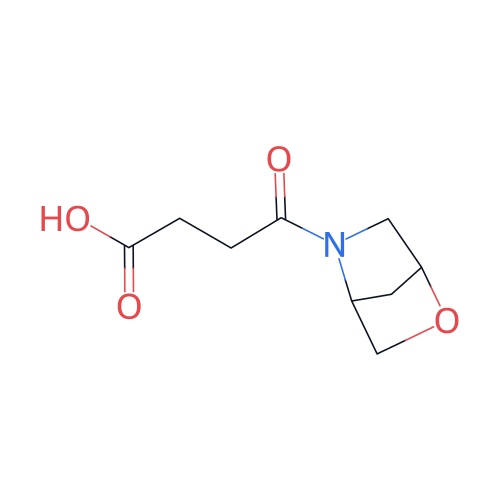
- 4-(3-Oxa-6-azabicyclo[3.1.1]heptan-6-yl)-4-oxobutanoic acid2098102-72-6C9H13NO4
- 2-(1-Acetylpiperidin-4-yl)-2-oxoacetic acid2354292-15-0C9H13NO4
- Methyl 5-(hydroxymethyl)-3-isopropylisoxazole-4-carboxylate2088729-58-0C9H13NO4
- Methyl 5-(hydroxymethyl)-3-propylisoxazole-4-carboxylate2088729-52-4C9H13NO4
- 2-Acetamido-3-(3-oxocyclobutyl)propanoic acid2097954-07-7C9H13NO4
- 2-Methyl-2-(3-methyl-2,5-dioxopyrrolidin-3-yl)propanoic acid1378830-85-3C9H13NO4
- 3-Hydroxy-1-(prop-2-enoyl)piperidine-3-carboxylic acid1849825-15-5C9H13NO4
- Ethyl 7-oxo-5-oxa-2-azaspiro[3.4]octane-8-carboxylate2172533-12-7C9H13NO4
- Quinolin-7-ol trihydrate220976-09-0C9H13NO4
- tert-Butyl N-(2-formyl-3-oxoprop-1-enyl)carbamate135305-09-8C9H13NO4
- 2-[3-(Butan-2-yloxy)-1,2-oxazol-5-yl]acetic acid2060045-42-1C9H13NO4
- (2S,3R)-2-Methyl-4-(prop-2-enoyl)morpholine-3-carboxylic acid2305151-92-0C9H13NO4
- N-(2-Hydroxy-3-oxocyclohex-1-en-1-yl)-beta-alanine87084-79-5C9H13NO4
- Methyl 3-oxo-3-(2-oxopiperidin-4-yl)propanoate2260788-95-0C9H13NO4
- Rel-(2S,4s)-8,8-dimethyl-6-oxo-7-oxa-5-azaspiro[3.4]octane-2-carboxylic acid2716124-94-4C9H13NO4
- 2-(3-(Hydroxymethyl)isoxazol-5-yl)-3-methylbutanoic acid2755762-62-8C9H13NO4
- 4-(Ethoxycarbonyl)-5-methyl-4,5-dihydro-1H-pyrrole-2-carboxylic acid1824293-93-7C9H13NO4
- (R)a[(4R)a2,2aDimethyla1,3adioxolana4ayl](1,3a oxazola4ayl)methanol130551-94-9C9H13NO4
- 3-Butenoic acid, 3-methyl-2-[[(2-propen-1-yloxy)carbonyl]amino]-1822538-75-9C9H13NO4
- Methyl 4-ethyl-3-methoxy-5-isoxazoleacetate16966-14-6C9H13NO4
- 2,2-Dimethoxy-1-(2-oxazolyl)-1-butanone898759-20-1C9H13NO4
- 3-(3,5-Dimethyl-1,2-oxazol-4-yl)-2-methoxypropanoic acid2228821-41-6C9H13NO4
- Methyl 3-(3,5-dimethyl-1,2-oxazol-4-yl)-2-hydroxypropanoate2228393-62-0C9H13NO4
- Methyl 3-(3,5-dimethyl-1,2-oxazol-4-yl)-3-hydroxypropanoate2107464-63-9C9H13NO4
- Methyl 3-(4,5-dimethyl-1,3-oxazol-2-yl)-3-hydroxypropanoate2228299-24-7C9H13NO4
- Methyl 3-(4,5-dimethyl-1,3-oxazol-2-yl)-2-hydroxypropanoate2229227-27-2C9H13NO4
- Methyl (3S)-3-(4,5-dimethyl-1,3-oxazol-2-yl)-3-hydroxypropanoate2227749-80-4C9H13NO4
- 3-(4,5-Dimethyl-1,3-oxazol-2-yl)-2-methoxypropanoic acid2229558-56-7C9H13NO4
- 3-(4,5-Dimethyl-1,3-oxazol-2-yl)-2-hydroxy-2-methylpropanoic acid2228339-71-5C9H13NO4
- Methyl (3R)-3-(3,5-dimethyl-1,2-oxazol-4-yl)-3-hydroxypropanoate2227743-43-1C9H13NO4
- 4-(Aminomethyl)-3-oxaspiro[bicyclo[2.1.1]hexane-2,3'-oxetane]-1-carboxylic acid2490401-46-0C9H13NO4
- 3-(3,5-Dimethyl-1,2-oxazol-4-yl)-2-hydroxy-2-methylpropanoic acid2228796-63-0C9H13NO4
- Ethyl 1,7-dioxa-2-azaspiro[4.4]non-2-ene-3-carboxylate2832911-51-8C9H13NO4
- 5-(Methoxycarbonyl)-3-azabicyclo[3.1.1]heptane-1-carboxylic acid2680789-52-8C9H13NO4
- Methyl (3S)-3-(3,5-dimethyl-1,2-oxazol-4-yl)-3-hydroxypropanoate2227844-19-9C9H13NO4
- Methyl (3R)-3-(4,5-dimethyl-1,3-oxazol-2-yl)-3-hydroxypropanoate2227838-20-0C9H13NO4
- Methyl (R)-3-methyl-2-(3-oxo-2,3-dihydroisoxazol-5-yl)butanoate2841025-12-3C9H13NO4
- Ethyl (NZ)-N-(2-hydroxy-3-oxocyclohexylidene)carbamate71841-80-0C9H13NO4
- (4S)-4-Aminospiro[2.4]heptane-1,4-dicarboxylic acid371980-01-7C9H13NO4
- 2-Ethyl-2,3-dihydro-4-methyl-3-oxo-5-isoxazolecarboxylic acid ethyl ester321546-89-8C9H13NO4
- 2,4-Dioxopentan-3-yl (1E)-N-acetylethanimidate917598-71-1C9H13NO4
- 2-Methyl-1-[(prop-2-en-1-yloxy)carbonyl]azetidine-2-carboxylic acid2680834-19-7C9H13NO4
- 2-((3-Propylisoxazol-5-yl)methoxy)acetic acid1018168-52-9C9H13NO4
- Methyl 1-(2-hydroxyacetamido)cyclopent-2-enecarboxylate597540-52-8C9H13NO4
- 3-Nitrobicyclo[2.2.2]octane-1-carboxylic acid406947-31-7C9H13NO4
- 2-Amino-3-methylbicyclo[3.1.0]hexane-2,6-dicarboxylic acid191342-39-9C9H13NO4
- (1S,3AR,5S,6aS)-octahydrocyclopenta[c]pyrrole-1,5-dicarboxylic acid402580-13-6C9H13NO4
- (1S,2S,3R,4R)-2-Aminobicyclo[2.2.1]heptane-2,3-dicarboxylic acid791564-46-0C9H13NO4
- (1R,2S,3R,4S)-2-Aminobicyclo[2.2.1]heptane-2,3-dicarboxylic acid774516-60-8C9H13NO4
- Methyl 1-cyano-3,3-dimethoxycyclobutanecarboxylate1341892-29-2C9H13NO4
- 2-Methoxyethyl 2-cyano-3-ethoxyprop-2-enoate89269-50-1C9H13NO4
- 2-Hydroxy-1-nitrobicyclo[3.3.1]nonan-9-one89950-45-8C9H13NO4
- Methyl 7-nitroocta-2,6-dienoate124126-07-4C9H13NO4
- 2,5-Dioxo-1-propylpyrrolidin-3-yl acetate479544-90-6C9H13NO4
- Nitric acid--(2,6-dimethylphenyl)methanol (1/1)51445-98-8C9H13NO4
- Nitric acid--(2,4-dimethylphenyl)methanol (1/1)62285-56-7C9H13NO4
- Ethyl 3-oxo-2-{[(prop-2-en-1-yl)oxy]imino}butanoate70791-61-6C9H13NO4
- (1S)-1-Cyanobutane-1,4-diyl diacetate804556-49-8C9H13NO4
- 1-[(4-Amino-3-hydroxyphenyl)methoxy]ethane-1,2-diol824933-88-2C9H13NO4
- (2,3-Dioxoazocan-1-yl)acetic acid90011-33-9C9H13NO4
- 3-[1-(Acetyloxy)ethyl]-4-methyl-2,5-pyrrolidinedione58467-33-7C9H13NO4
Frequently asked questions
What is the molar mass of C9H13NO4?
The molar mass of C9H13NO4 is 199.21 g/mol, calculated from standard atomic weights for 9 carbon atoms, 13 hydrogen atoms, 1 nitrogen atom and 4 oxygen atoms. The monoisotopic mass is 199.0845 Da.
How many compounds have the formula C9H13NO4?
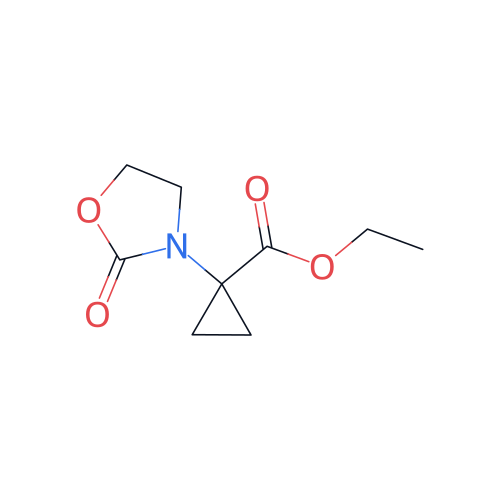
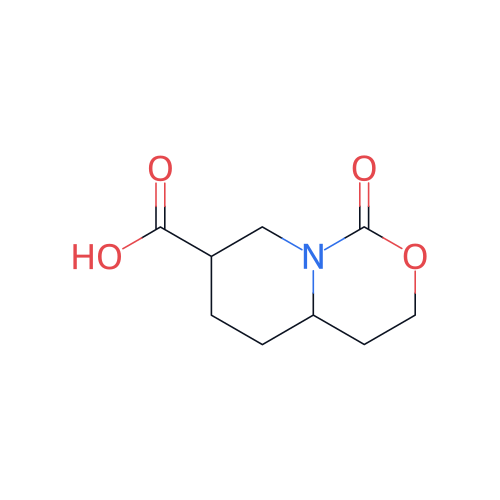
CompoundList lists 386 compounds with the molecular formula C9H13NO4, including Ethyl 2-(2-hydroxypropan-2-yl)oxazole-4-carboxylate, Ethyl 1-(2-oxooxazolidin-3-yl)cyclopropanecarboxylate, 1-Oxooctahydropyrido[1,2-c][1,3]oxazine-7-carboxylic acid. Compounds that share a formula are isomers. They contain the same atoms arranged differently, so their properties, uses and prices can be very different.
What is the degree of unsaturation of C9H13NO4?
C9H13NO4 has a degree of unsaturation of 4. That is the total number of rings and pi bonds (a double bond counts as one, a triple bond as two) in any structure with this formula.