1,3-Dichloropropane
Also known as Trimethylene dichloride, Propane, 1,3-dichloro-, R 270fa
Key facts
What buyers check first
- Appearance
- Colorless liquid
- Melting point
- -99.5 °C
- Boiling point
- 120.4 °C
- Density
- Relative density (water = 1): 1.19
- Flash point
- 16 °C
- HS code
- 290319
- Category
- Impurities and reference standards
- UN number
- UN 1993
What is 1,3-Dichloropropane?
Plain description, key identifiers and synonyms
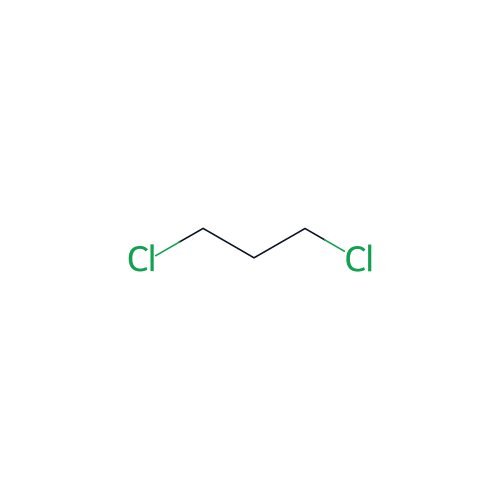
1,3-dichloropropane is a chloroalkane that is propane in which a hydrogen from each of the terminal methyl groups has been replaced by a chlorine. It has a role as a nematicide and an environmental contaminant. It is a chlorohydrocarbon and a chloroalkane.
Identifiers
Registry numbers, names and line notations, tap to copy
- IUPAC name
- 1,3-dichloropropane
- CAS number
- 142-28-9 CAS number cross-checked
- EC number
- 205-531-3
- Molecular formula
- C3H6Cl2
- UNII
- AJ1HQ2GUCP
- MDL number
- MFCD00000999
- InChIKey
- YHRUOJUYPBUZOS-UHFFFAOYSA-N
- InChI
- InChI=1S/C3H6Cl2/c4-2-1-3-5/h1-3H2
- SMILES (canonical and isomeric)
- C(CCl)CCl
Synonyms
- Trimethylene dichloride
- Propane, 1,3-dichloro-
- R 270fa
- 1,3-Dichloro-propane
- CH2ClCH2CH2Cl
- Cl(CH2)3Cl
- Trimethylene Chloride
- Dichloropropane, 1,3-
- 1,3-Dichloropropane, NSC 6204, R 270fa, Trimethylene dichloride
- 1.3-dichloropropane
- Propane,3-dichloro-
- Fudosteine Impurity B
- ClCH2CH2CH2Cl
- 1,3-propylene dichloride
- 1,3-Dichloropropane solution
- 1,3-Dichloropropane Standard
- 1,3-Dichloropropane, 99%
- 1,3-Dichloropropane, purum, >=98.0% (GC)
- 1,3-Dichloropropane Solution in Methanol, 1000ug/mL
- 1,3-Dichloropropane, PESTANAL(R), analytical standard
Physical and chemical properties
Measured values and descriptors computed from the structure
Physical and chemical properties
Measured values, check the supplier specification for your grade
| Appearance | Colorless liquidexp.Measured value |
|---|---|
| Odour | Sweetexp.Measured value |
| Melting point | -99.5 °Cexp.Measured value |
| Boiling point | 120.4 °Cexp.Measured value |
| Density | Relative density (water = 1): 1.19exp.Measured value |
| Flash point | 16 °Cexp.Measured value |
| Solubility | In water, 2.75 × 10⁺³ mg/l @ 25 °Cexp.Measured value |
| Vapour pressure | 18.2 mm Hg @ 25 °Cexp.Measured value |
Values vary by grade. Ask suppliers for the COA or TDS of the batch you buy.
Computed descriptors
Calculated from the structure, useful for screening and formulation
| Molecular weight | 112.99 g/molcalc.Computed value |
|---|---|
| Exact mass | 111.9847 Dacalc.Computed value |
| LogP (octanol/water) | 1.85calc.Computed value |
| Topological polar surface area | 0 Ųcalc.Computed value |
| Hydrogen bond donors | 0calc.Computed value |
| Hydrogen bond acceptors | 0calc.Computed value |
| Rotatable bonds | 2calc.Computed value |
| Heavy atoms | 5calc.Computed value |
| Rings | 0calc.Computed value |
| Aromatic rings | 0calc.Computed value |
| Fraction sp3 carbons | 1calc.Computed value |
| Formal charge | 0calc.Computed value |
| Stereocentres | 0calc.Computed value |
| Lipinski rule of five | Passes (0 violations)calc.Computed value |
Calculated for screening. Confirm critical figures with the supplier.
Safety and hazards
GHS classification summary, not a safety data sheet
Hazard statements
- H225Highly flammable liquid and vapour.
- H226Flammable liquid and vapour.
- H317May cause an allergic skin reaction.
- H319Causes serious eye irritation.
- H412Harmful to aquatic life with long lasting effects.
Precautionary statements (21)
- P210Keep away from heat, hot surfaces, sparks, open flames and other ignition sources. No smoking.
- P233Keep container tightly closed.
- P240Ground and bond container and receiving equipment.
- P241Use explosion-proof electrical, ventilating and lighting equipment.
- P242Use non-sparking tools.
- P243Take action to prevent static discharges.
- P261Avoid breathing dust, fume, gas, mist, vapours or spray.
- P264 + P265Wash skin thoroughly after handling. Do not touch eyes.
- P272Contaminated work clothing should not be allowed out of the workplace.
- P273Avoid release to the environment.
- P280Wear protective gloves, protective clothing, eye protection and face protection.
- P302 + P352If on skin: Wash with plenty of water.
- P303 + P361 + P353If on skin (or hair): Take off immediately all contaminated clothing. Rinse skin with water or shower.
- P305 + P351 + P338If in eyes: Rinse cautiously with water for several minutes. Remove contact lenses, if present and easy to do. Continue rinsing.
- P321Specific treatment (see supplemental first aid instructions on the label).
- P333 + P317If skin irritation or rash occurs: Get medical help.
- P337 + P317If eye irritation persists: Get medical help.
- P362 + P364Take off contaminated clothing. And wash it before reuse.
- P370 + P378In case of fire: Use appropriate media to extinguish.
- P403 + P235Store in a well-ventilated place. Keep cool.
- P501Dispose of contents and container in accordance with local regulations.
- UN number
- UN 1993
- Transport hazard class
- 3
- Packing group
- II
GHS classification summary, not a safety data sheet (SDS). Classifications can differ by supplier, grade and concentration. Always check the supplier's SDS.
Full safety data and first aid1,3-Dichloropropane suppliers
Sponsored listings first, then the documented ranking: membership, verification, replies, completeness, freshness and ratings
- India, Thane ManufacturerUnclaimed profileTrimethylene dichlorideGrade, purity and minimum order on requestPrice on request
- China, YixingUnclaimed profile1,3-DichloropropaneGrade, purity and minimum order on requestPrice on request
- India, VadodaraUnclaimed profile1,3-DichloropropaneGrade, purity and minimum order on requestPrice on request
- ChinaUnclaimed profileTrimethylene dichlorideGrade, purity and minimum order on requestPrice on request
- India ManufacturerUnclaimed profile1,3-DichloropropaneGrade, purity and minimum order on requestPrice on request
- India ManufacturerUnclaimed profile1,3-DichloropropaneGrade, purity and minimum order on requestPrice on request
- India, AhmedabadUnclaimed profile1,3-DichloropropaneGrade, purity and minimum order on requestPrice on request
- China ManufacturerUnclaimed profile1,3-DichloropropaneGrade, purity and minimum order on requestPrice on request
- India ManufacturerUnclaimed profile1,3-DichloropropaneGrade, purity and minimum order on requestPrice on request
- China ManufacturerUnclaimed profile1,3-DichloropropaneGrade, purity and minimum order on requestPrice on request
Suppliers marked Unclaimed profile have not claimed their profile yet. They are not verified by CompoundList, their offers are price on request and details may have changed, so please confirm them with the supplier. Company representatives can claim a profile with a business email on the company's own website domain. Our team verifies each claim and sends the result by email.
Where suppliers are based
19 suppliers in 4 countries
Send one request to many suppliers
Choose up to 10 suppliers or let us match your request. Compare quotes side by side, free.
1,3-Dichloropropane price
Indicative price range per kg from live supplier offers
Suppliers quote this chemical on request. Send one free request and compare quotes side by side.
Uses and applications
What the substance is used for, by industry and function
Industries and functions
Roles
- environmental contaminant
- nematicide
- pesticide
How it is made
May be produced as a result of the photochlorination of isopropyl ether.
Regulatory status
Inventories, regulations and trade controls that list this substance
United States
- TSCA inventory (USA)Status: Active in US commerce
HS code and trade data
Customs classification and reported world trade statistics
Global trade
World import and export statistics for the HS code 1,3-Dichloropropane is traded under.
Saturated chlorinated derivatives of acyclic hydrocarbons, other
- United States35.7%
- South Korea7.6%
- India * partner reported6.7%
* Partner reported figures, a lower bound.
The HS code shown for 1,3-Dichloropropane is indicative (it was assigned by structure rules). Confirm the classification with your customs broker before shipping.
Related chemicals
Parent and salt forms, stereoisomers, similar structures and isomers
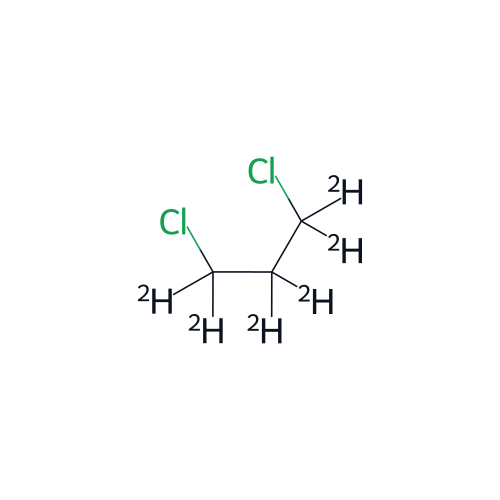
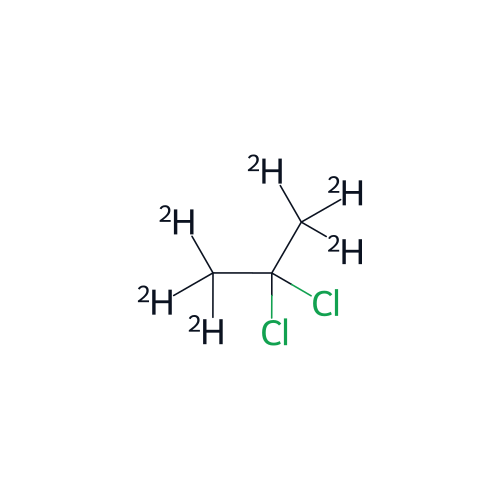
Stereoisomers and isotopic forms
Same connectivity, different stereochemistry or isotopes (same InChIKey skeleton)
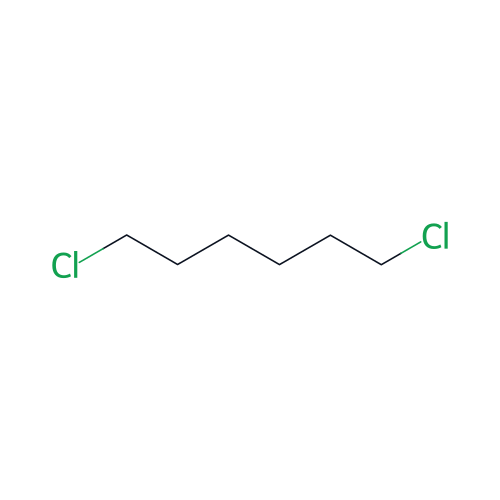
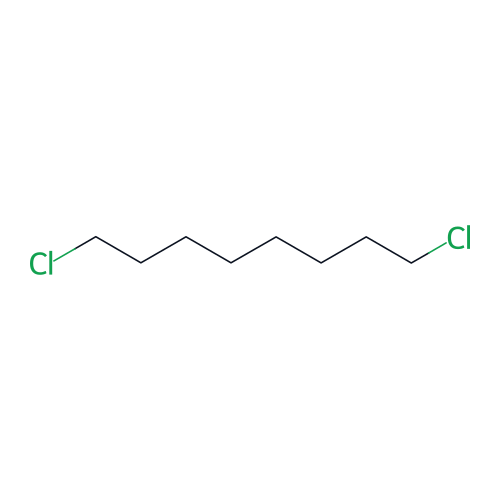
Similar structures
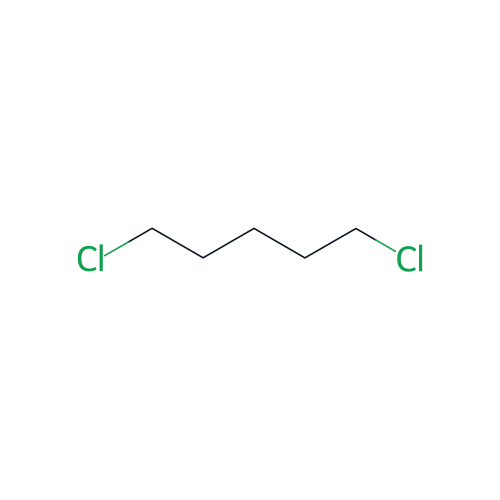
Nearest neighbours by Morgan fingerprint Tanimoto similarity




Same formula isomers
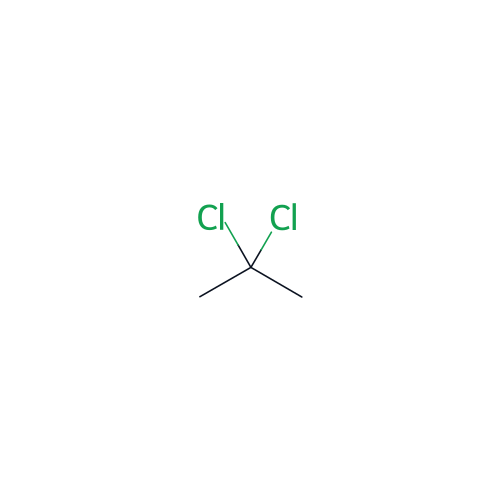
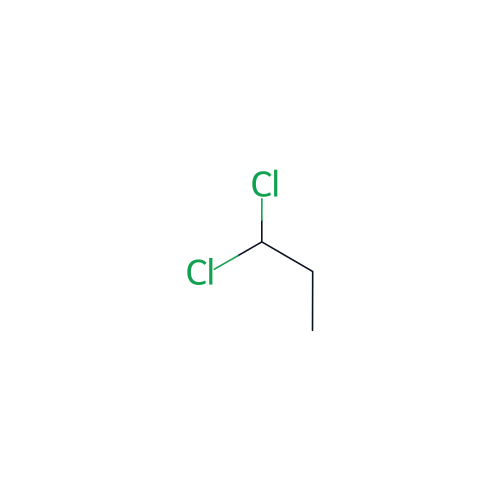
Different compounds that share this molecular formula



Frequently asked questions
Quick answers about 1,3-Dichloropropane, based on the data on this page
What is 1,3-Dichloropropane?
Is 1,3-Dichloropropane hazardous?
Guides for buyers
Practical guides that help when you source, ship or handle 1,3-Dichloropropane
- Article, QualityPharma grades explained: IP vs BP vs USP vs EPWhat the Indian, British, US and European pharmacopoeias are, how their monographs differ, what multi grade claims mean and why a grade alone does not make a product fit for medicines.Read
- Guide, SafetyHow to read a safety data sheet in 10 minutesA section by section method to pull the essentials out of any 16 section SDS: identity, hazards, composition, storage, PPE, properties, transport and emergency measures.Read
- Guide, Trade and logisticsShipping dangerous goods: UN numbers, classes and packing groupsHow the UN dangerous goods system works for chemicals, from the nine classes and UN numbers to packing groups, UN packaging marks, labels, documents and segregation.Read
Get quotes for 1,3-Dichloropropane
Embed this structure on your websiteShow code
Paste this code into your page to show the 2D structure of 1,3-Dichloropropane with a 3D view, its CAS number where known and a link back to this page. Free to use with the link kept.
<iframe src="https://www.compoundlist.com/embed/structure/1-3-dichloropropane-142-28-9" title="1,3-Dichloropropane structure on CompoundList" width="360" height="420" style="border:1px solid #E7E2DA;border-radius:12px;max-width:100%" loading="lazy" referrerpolicy="strict-origin-when-cross-origin"></iframe>Explore more in Impurities and reference standards or HS code 290319