2,6-Dimethylmorpholine safety data
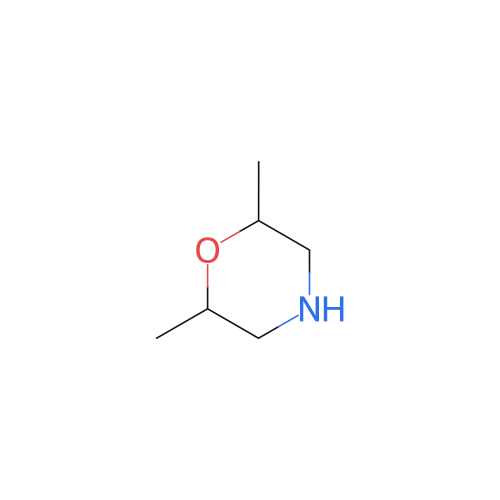
GHS classification summary, not a safety data sheet (SDS). Classifications can differ by supplier, grade and concentration. Always check the supplier's SDS.
GHS classification
Pictograms, signal word and hazard classes of the GHS classification
health, fire, reactivity
Hazard classes and categories
- Flam. Liq. 3
- Acute Tox. 4 (oral)
- Acute Tox. 3 (dermal)
- Acute Tox. 4 (dermal)
- Skin Corr. 1
- Eye Dam. 1
Hazard statements
H codes grouped by type. Percentages show the share of classification notifications that report the statement
Physical hazards
- H226Flammable liquid and vapour.
Health hazards
- H302Harmful if swallowed.
- H311Toxic in contact with skin.
- H312Harmful in contact with skin.
- H314Causes severe skin burns and eye damage.
- H318Causes serious eye damage.
Precautionary statements
P codes for prevention, response, storage and disposal
Prevention
- P210Keep away from heat, hot surfaces, sparks, open flames and other ignition sources. No smoking.
- P233Keep container tightly closed.
- P240Ground and bond container and receiving equipment.
- P241Use explosion-proof electrical, ventilating and lighting equipment.
- P242Use non-sparking tools.
- P243Take action to prevent static discharges.
- P260Do not breathe dust, fume, gas, mist, vapours or spray.
- P262Do not get in eyes, on skin, or on clothing.
- P264Wash skin thoroughly after handling.
- P264 + P265Wash skin thoroughly after handling. Do not touch eyes.
- P270Do not eat, drink or smoke when using this product.
- P280Wear protective gloves, protective clothing, eye protection and face protection.
Response
- P301 + P317If swallowed: Get medical help.
- P301 + P330 + P331If swallowed: Rinse mouth. Do not induce vomiting.
- P302 + P352If on skin: Wash with plenty of water.
- P302 + P361 + P354If on skin: Take off immediately all contaminated clothing. Immediately rinse with water for several minutes.
- P303 + P361 + P353If on skin (or hair): Take off immediately all contaminated clothing. Rinse skin with water or shower.
- P304 + P340If inhaled: Remove person to fresh air and keep comfortable for breathing.
- P305 + P354 + P338If in eyes: Immediately rinse with water for several minutes. Remove contact lenses, if present and easy to do. Continue rinsing.
- P316Get emergency medical help immediately.
- P317Get medical help.
- P321Specific treatment (see supplemental first aid instructions on the label).
- P330Rinse mouth.
- P361 + P364Take off immediately all contaminated clothing. And wash it before reuse.
- P362 + P364Take off contaminated clothing. And wash it before reuse.
- P363Wash contaminated clothing before reuse.
- P370 + P378In case of fire: Use appropriate media to extinguish.
Storage
- P403 + P235Store in a well-ventilated place. Keep cool.
- P405Store locked up.
Disposal
- P501Dispose of contents and container in accordance with local regulations.
First aid
General first aid measures. Get medical advice if you feel unwell
Handling, storage and disposal
Summaries only, follow the supplier SDS for your grade
Safe handling
RECOMMENDED RESPIRATOR: Where the neat test chemical is weighed and diluted, wear a NIOSH-approved half face respirator equipped with an organic vapor/acid gas cartridge (specific for organic vapors, HCl, acid gas and SO2) with a dust/mist filter.
Exposure limits and toxicity
Occupational exposure limits and toxicity data
SYMPTOMS: Symptoms of exposure to this chemical may include local irritation of the eyes and skin. ACUTE/CHRONIC HAZARDS: This compound is an irritant.
Transport information
UN dangerous goods classification for road, sea and air
- UN number
- UN 1992
Shipping rules depend on mode, quantity and packaging. Confirm the classification with the supplier SDS and your freight forwarder.
Supplier safety data sheets
SDS documents uploaded by suppliers who list this chemical
No supplier has uploaded an SDS for 2,6-Dimethylmorpholine yet. Suppliers usually send one with their quote. Request quotes
Safety questions
Quick answers about handling 2,6-Dimethylmorpholine safely
Is 2,6-Dimethylmorpholine hazardous?
Which GHS pictograms apply to 2,6-Dimethylmorpholine?
What is the UN number of 2,6-Dimethylmorpholine?
Where can I get the SDS for 2,6-Dimethylmorpholine?
GHS classification summary, not an SDS. Always check the supplier's SDS. Last updated 7 Oct 2026. Report an error