Benzidine dihydrochloride safety data
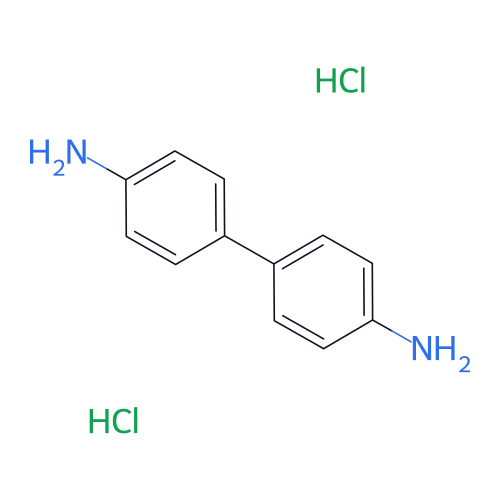
GHS classification summary, not a safety data sheet (SDS). Classifications can differ by supplier, grade and concentration. Always check the supplier's SDS.
GHS classification
Pictograms, signal word and hazard classes of the GHS classification
Hazard classes and categories
- Acute Tox. 4 (oral)
- Carc. 1A/1B
- Aquatic Acute 1
- Aquatic Chronic 1
Hazard statements
H codes grouped by type. Percentages show the share of classification notifications that report the statement
Health hazards
- H302Harmful if swallowed.
- H350May cause cancer.
Environmental hazards
- H400Very toxic to aquatic life.
- H410Very toxic to aquatic life with long lasting effects.
Precautionary statements
P codes for prevention, response, storage and disposal
Prevention
- P203Obtain, read and follow all safety instructions before use.
- P264Wash skin thoroughly after handling.
- P270Do not eat, drink or smoke when using this product.
- P273Avoid release to the environment.
- P280Wear protective gloves, protective clothing, eye protection and face protection.
Response
- P301 + P317If swallowed: Get medical help.
- P318If exposed or concerned, get medical advice.
- P330Rinse mouth.
- P391Collect spillage.
Storage
- P405Store locked up.
Disposal
- P501Dispose of contents and container in accordance with local regulations.
First aid
General first aid measures. Get medical advice if you feel unwell
Handling, storage and disposal
Summaries only, follow the supplier SDS for your grade
Safe handling
MINIMUM PROTECTIVE CLOTHING: If Tyvek-type disposable protective clothing is not worn during handling of this chemical, wear disposable Tyvek-type sleeves taped to your gloves. RECOMMENDED RESPIRATOR: Where the neat test chemical is weighed and diluted, wear a NIOSH-approved half face respirator equipped with a combination filter cartridge, i.e. organic vapor/acid gas/HEPA (specific for organic vapors, HCl, acid gas, SO2 and a high efficiency particulate filter).
Exposure limits and toxicity
Occupational exposure limits and toxicity data
SYMPTOMS: Symptoms of exposure to this compound include nausea, vomiting, liver damage and kidney damage. ACUTE/CHRONIC HAZARDS: This chemical is rapidly absorbed through the skin. When heated to decomposition it emits very toxic fumes of nitrogen oxides and hydrogen chloride gas.
Supplier safety data sheets
SDS documents uploaded by suppliers who list this chemical
No supplier has uploaded an SDS for Benzidine dihydrochloride yet. Suppliers usually send one with their quote. Request quotes
Safety questions
Quick answers about handling Benzidine dihydrochloride safely
Is Benzidine dihydrochloride hazardous?
Which GHS pictograms apply to Benzidine dihydrochloride?
Where can I get the SDS for Benzidine dihydrochloride?
GHS classification summary, not an SDS. Always check the supplier's SDS. Last updated 7 Oct 2026. Report an error