Mannitol safety data
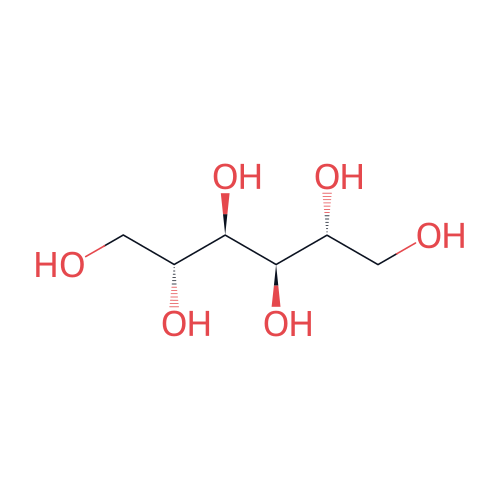
GHS classification summary, not a safety data sheet (SDS). Classifications can differ by supplier, grade and concentration. Always check the supplier's SDS.
GHS classification
Pictograms, signal word and hazard classes of the GHS classification
No signal word reported.
First aid
General first aid measures. Get medical advice if you feel unwell
Handling, storage and disposal
Summaries only, follow the supplier SDS for your grade
Safe handling
RECOMMENDED RESPIRATOR: Where the neat test chemical is weighed and diluted, wear a NIOSH-approved half face respirator equipped with an organic vapor/acid gas cartridge (specific for organic vapors, HCl, acid gas and SO2) with a dust/mist filter.
Storage
Mannitol solutions should be stored at room temperature and protected from freezing.
Exposure limits and toxicity
Occupational exposure limits and toxicity data
SYMPTOMS: Symptoms of exposure to this compound include nausea, vomiting, headache, chills, chest pain and pulmonary edema. It may cause irritation of the skin, eyes and respiratory tract. Other symptoms may include lethargy, confusion, heart failure and death. Exposure has caused an electrolyte and fluid imbalance, hypersensitivity reactions, diarrhea, thirst, fever, tachycardia, hyponatremia, urinary retention, dehydration, blurred vision, convulsions, urticaria, hypotension and hypertension. It has also caused hyperglycemia and glycosuria. Coughing may result from inhalation. Ingestion may cause gastric irritation. Skin contact may cause discoloration of sensitive skin.
Supplier safety data sheets
SDS documents uploaded by suppliers who list this chemical
No supplier has uploaded an SDS for Mannitol yet. Suppliers usually send one with their quote. Request quotes
Safety questions
Quick answers about handling Mannitol safely
Is Mannitol hazardous?
How should Mannitol be stored?
Where can I get the SDS for Mannitol?
GHS classification summary, not an SDS. Always check the supplier's SDS. Last updated 7 Oct 2026. Report an error