Pemoline safety data
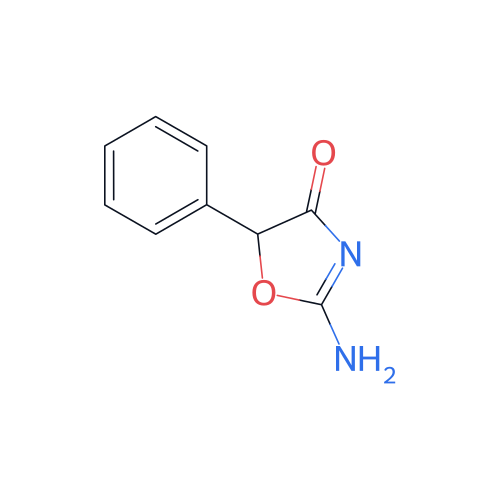
Pemoline is prohibited on CompoundList. Listings, quotes and messages are disabled. This page is kept for information only.
Listing and enquiries are not allowed for this substance.
Reference: UN Convention on Psychotropic Substances 1971, HS 2022 subheading 2934.91 (sufentanil and related controlled substances)
Our policy on controlled substancesGHS classification summary, not a safety data sheet (SDS). Classifications can differ by supplier, grade and concentration. Always check the supplier's SDS.
GHS classification
Pictograms, signal word and hazard classes of the GHS classification
Hazard classes and categories
- Acute Tox. 4 (oral)
- Acute Tox. 4 (dermal)
- Acute Tox. 4 (inhalation)
Hazard statements
H codes grouped by type. Percentages show the share of classification notifications that report the statement
Health hazards
- H302Harmful if swallowed.
- H312Harmful in contact with skin.
- H332Harmful if inhaled.
Precautionary statements
P codes for prevention, response, storage and disposal
Prevention
- P261Avoid breathing dust, fume, gas, mist, vapours or spray.
- P264Wash skin thoroughly after handling.
- P270Do not eat, drink or smoke when using this product.
- P271Use only outdoors or in a well-ventilated area.
- P280Wear protective gloves, protective clothing, eye protection and face protection.
Response
- P301 + P317If swallowed: Get medical help.
- P302 + P352If on skin: Wash with plenty of water.
- P304 + P340If inhaled: Remove person to fresh air and keep comfortable for breathing.
- P317Get medical help.
- P321Specific treatment (see supplemental first aid instructions on the label).
- P330Rinse mouth.
- P362 + P364Take off contaminated clothing. And wash it before reuse.
Disposal
- P501Dispose of contents and container in accordance with local regulations.
Handling, storage and disposal
Summaries only, follow the supplier SDS for your grade
Storage
Tablets should be stored in well-closed containers at a temperature less than 40 °C, preferably at 15 to 30 °C.... Expiration date /is/ 5 years following the date of manufacture.
Exposure limits and toxicity
Occupational exposure limits and toxicity data
Main risks and target organs: Acute central nervous system stimulation, cardiotoxicity causing tachycardia, arrhythmias, hypertension and cardiovascular collapse. High risk of dependency and abuse. Summary of clinical effects: Cardiovascular: Palpitation, chest pain, tachycardia, arrhythmias and hypertension are common, cardiovascular collapse can occur in severe poisoning. Myocardial ischemia, infarction and ventricular dysfunction are described. Central Nervous System (CNS): Stimulation of CNS, tremor, restlessness, agitation, insomnia, increased motor activity, headache, convulsions, coma and hyperreflexia are described. Stroke and cerebral vasculitis have been observed.
Supplier safety data sheets
SDS documents uploaded by suppliers who list this chemical
No supplier has uploaded an SDS for Pemoline yet.
Safety questions
Quick answers about handling Pemoline safely
Is Pemoline hazardous?
Which GHS pictograms apply to Pemoline?
How should Pemoline be stored?
Where can I get the SDS for Pemoline?
GHS classification summary, not an SDS. Always check the supplier's SDS. Last updated 7 Oct 2026. Report an error