Trimethylborane safety data
GHS hazards, precautions, first aid, handling and transport for Trimethylborane. A classification summary, not a safety data sheet.
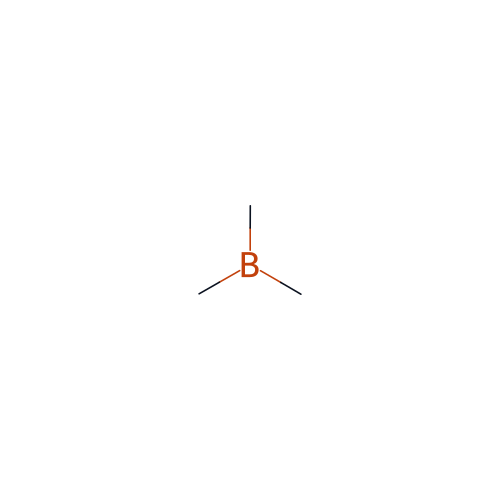
CAS 593-90-8Formula C3H9B
GHS classification summary, not a safety data sheet (SDS). Classifications can differ by supplier, grade and concentration. Always check the supplier's SDS.
GHS classification
Pictograms, signal word and hazard classes of the GHS classification
Signal word
DangerHazard classes and categories
- Flam. Gas 1
- Pyr. Liq. 1 / Pyr. Sol. 1
- Press. Gas
- Skin Corr. 1
Hazard statements
H codes grouped by type. Percentages show the share of classification notifications that report the statement
Physical hazards
- H220Extremely flammable gas.
- H250Catches fire spontaneously if exposed to air.
- H280Contains gas under pressure, may explode if heated.
Health hazards
- H314Causes severe skin burns and eye damage.
Precautionary statements
P codes for prevention, response, storage and disposal
Prevention
- P203Obtain, read and follow all safety instructions before use.
- P210Keep away from heat, hot surfaces, sparks, open flames and other ignition sources. No smoking.
- P222Do not allow contact with air.
- P231Handle and store contents under inert gas.
- P233Keep container tightly closed.
- P260Do not breathe dust, fume, gas, mist, vapours or spray.
- P264Wash skin thoroughly after handling.
- P280Wear protective gloves, protective clothing, eye protection and face protection.
Response
- P301 + P330 + P331If swallowed: Rinse mouth. Do not induce vomiting.
- P302 + P335 + P334If on skin: Brush off loose particles from skin. Immerse in cool water or wrap in wet bandages.
- P302 + P361 + P354If on skin: Take off immediately all contaminated clothing. Immediately rinse with water for several minutes.
- P304 + P340If inhaled: Remove person to fresh air and keep comfortable for breathing.
- P305 + P354 + P338If in eyes: Immediately rinse with water for several minutes. Remove contact lenses, if present and easy to do. Continue rinsing.
- P316Get emergency medical help immediately.
- P321Specific treatment (see supplemental first aid instructions on the label).
- P363Wash contaminated clothing before reuse.
- P370 + P378In case of fire: Use appropriate media to extinguish.
- P377Leaking gas fire: do not extinguish, unless leak can be stopped safely.
- P381In case of leakage, eliminate all ignition sources.
Storage
- P403Store in a well-ventilated place.
- P405Store locked up.
- P410 + P403Protect from sunlight. Store in a well-ventilated place.
Disposal
- P501Dispose of contents and container in accordance with local regulations.
Supplier safety data sheets
SDS documents uploaded by suppliers who list this chemical
No supplier has uploaded an SDS for Trimethylborane yet. Suppliers usually send one with their quote. Request quotes
Safety questions
Quick answers about handling Trimethylborane safely
Is Trimethylborane hazardous?
Trimethylborane carries the GHS signal word "Danger". Main hazards: extremely flammable gas, catches fire spontaneously if exposed to air, contains gas under pressure, may explode if heated. This summary is not an SDS, always read the supplier safety data sheet.
Which GHS pictograms apply to Trimethylborane?
The GHS classification of Trimethylborane shows 3 pictograms: GHS02 (flammable), GHS04 (gas under pressure), GHS05 (corrosive).
Where can I get the SDS for Trimethylborane?
Ask the supplier for the safety data sheet of the exact grade you buy. Suppliers on CompoundList can attach their SDS to listings and send it with a quote. This page is a GHS classification summary, not an SDS.
GHS classification summary, not an SDS. Always check the supplier's SDS. Last updated 7 Oct 2026. Report an error
1 supplier
Free quotes, contact stays private