C.I. Basic Yellow 2 safety data
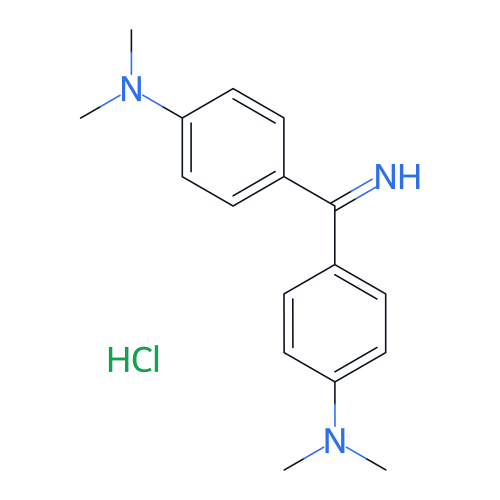
GHS classification summary, not a safety data sheet (SDS). Classifications can differ by supplier, grade and concentration. Always check the supplier's SDS.
GHS classification
Pictograms, signal word and hazard classes of the GHS classification
Hazard classes and categories
- Acute Tox. 4 (oral)
- Acute Tox. 3 (dermal)
- Eye Irrit. 2
- Carc. 2
- Aquatic Chronic 2
Hazard statements
H codes grouped by type. Percentages show the share of classification notifications that report the statement
Health hazards
- H302Harmful if swallowed.
- H311Toxic in contact with skin.
- H319Causes serious eye irritation.
- H351Suspected of causing cancer.
Environmental hazards
- H411Toxic to aquatic life with long lasting effects.
Precautionary statements
P codes for prevention, response, storage and disposal
Prevention
- P203Obtain, read and follow all safety instructions before use.
- P262Do not get in eyes, on skin, or on clothing.
- P264Wash skin thoroughly after handling.
- P264 + P265Wash skin thoroughly after handling. Do not touch eyes.
- P270Do not eat, drink or smoke when using this product.
- P273Avoid release to the environment.
- P280Wear protective gloves, protective clothing, eye protection and face protection.
Response
- P301 + P317If swallowed: Get medical help.
- P302 + P352If on skin: Wash with plenty of water.
- P305 + P351 + P338If in eyes: Rinse cautiously with water for several minutes. Remove contact lenses, if present and easy to do. Continue rinsing.
- P316Get emergency medical help immediately.
- P318If exposed or concerned, get medical advice.
- P321Specific treatment (see supplemental first aid instructions on the label).
- P330Rinse mouth.
- P337 + P317If eye irritation persists: Get medical help.
- P361 + P364Take off immediately all contaminated clothing. And wash it before reuse.
- P391Collect spillage.
Storage
- P405Store locked up.
Disposal
- P501Dispose of contents and container in accordance with local regulations.
First aid
General first aid measures. Get medical advice if you feel unwell
Handling, storage and disposal
Summaries only, follow the supplier SDS for your grade
Safe handling
PRECAUTIONS FOR "CARCINOGENS":... Dispensers of liq detergent /should be available./... Safety pipettes should be used for all pipetting.... In animal laboratory, personnel should... wear protective suits (preferably disposable, one-piece & close-fitting at ankles & wrists), gloves, hair covering & overshoes.... In chemical laboratory, gloves & gowns should always be worn... however, gloves should not be assumed to provide full protection. Carefully fitted masks or respirators may be necessary when working with particulates or gases, & disposable plastic aprons might provide addnl protection.... Gowns... /should be/ of distinctive color, this is a reminder that they are not to be worn outside the laboratory. /Chemical Carcinogens/
Storage
PRECAUTIONS FOR "CARCINOGENS": Storage site should be as close as practical to lab in which carcinogens are to be used, so that only small quantities required for... expt need to be carried. Carcinogens should be kept in only one section of cupboard, an explosion-proof refrigerator or freezer (depending on chemicophysical properties...) that bears appropriate label. An inventory... should be kept, showing quantity of carcinogen & date it was acquired... Facilities for dispensing... should be contiguous to storage area. /Chemical Carcinogens/
Disposal
PRECAUTIONS FOR "CARCINOGENS": There is no universal method of disposal that has been proved satisfactory for all carcinogenic compounds & specific methods of chem destruction... published have not been tested on all kinds of carcinogen-containing waste.... summary of avail methods & recommendations... /given/ must be treated as guide only. /Chemical Carcinogens/ PRECAUTIONS FOR "CARCINOGENS":... Incineration may be only feasible method for disposal of contaminated laboratory waste from biological expt. However, not all incinerators are suitable for this purpose. The most efficient type... is probably the gas-fired type, in which a first-stage combustion with a less than stoichiometric air:fuel ratio is followed by a second stage with excess air.
Exposure limits and toxicity
Occupational exposure limits and toxicity data
SYMPTOMS: Exposure to this compound may cause skin and eye irritation. It may also cause skin burns, dermatitis, eye irritation, edema of eyelids, hyperemia, corneal opacity, necrosis, corneal erosion, nausea and vomiting. ACUTE/CHRONIC HAZARDS: This compound is harmful if swallowed, inhaled or absorbed through the skin. It may cause skin and eye irritation. When heated to decomposition, this compound emits toxic fumes of carbon monoxide, carbon dioxide, nitrogen oxides and hydrochloride gas.
Supplier safety data sheets
SDS documents uploaded by suppliers who list this chemical
No supplier has uploaded an SDS for C.I. Basic Yellow 2 yet. Suppliers usually send one with their quote. Request quotes
Safety questions
Quick answers about handling C.I. Basic Yellow 2 safely
Is C.I. Basic Yellow 2 hazardous?
Which GHS pictograms apply to C.I. Basic Yellow 2?
How should C.I. Basic Yellow 2 be stored?
Where can I get the SDS for C.I. Basic Yellow 2?
GHS classification summary, not an SDS. Always check the supplier's SDS. Last updated 7 Oct 2026. Report an error