Dimethylformamide safety data
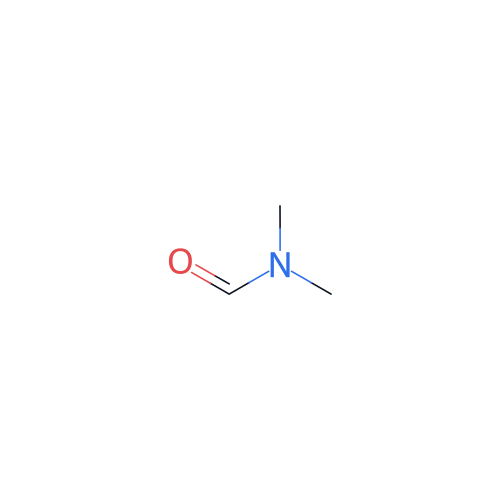
GHS classification summary, not a safety data sheet (SDS). Classifications can differ by supplier, grade and concentration. Always check the supplier's SDS.
GHS classification
Pictograms, signal word and hazard classes of the GHS classification
health, fire, reactivity
Hazard classes and categories
- Acute Tox. 4 (dermal)
- Eye Irrit. 2
- Acute Tox. 4 (inhalation)
- Repr. 1A/1B
Hazard statements
H codes grouped by type. Percentages show the share of classification notifications that report the statement
Health hazards
- H312Harmful in contact with skin.
- H319Causes serious eye irritation.
- H332Harmful if inhaled.
- H360DMay damage the unborn child.
Precautionary statements
P codes for prevention, response, storage and disposal
Prevention
- P203Obtain, read and follow all safety instructions before use.
- P261Avoid breathing dust, fume, gas, mist, vapours or spray.
- P264 + P265Wash skin thoroughly after handling. Do not touch eyes.
- P271Use only outdoors or in a well-ventilated area.
- P280Wear protective gloves, protective clothing, eye protection and face protection.
Response
- P302 + P352If on skin: Wash with plenty of water.
- P304 + P340If inhaled: Remove person to fresh air and keep comfortable for breathing.
- P305 + P351 + P338If in eyes: Rinse cautiously with water for several minutes. Remove contact lenses, if present and easy to do. Continue rinsing.
- P317Get medical help.
- P318If exposed or concerned, get medical advice.
- P321Specific treatment (see supplemental first aid instructions on the label).
- P337 + P317If eye irritation persists: Get medical help.
- P362 + P364Take off contaminated clothing. And wash it before reuse.
Storage
- P405Store locked up.
Disposal
- P501Dispose of contents and container in accordance with local regulations.
First aid
General first aid measures. Get medical advice if you feel unwell
Handling, storage and disposal
Summaries only, follow the supplier SDS for your grade
Safe handling
Fire: NO open flames, NO sparks and NO smoking. NO contact with oxidizing agents. Above 58 °C use a closed system and ventilation.
General: PREVENT GENERATION OF MISTS! AVOID ALL CONTACT!
Inhalation: Use ventilation, local exhaust or breathing protection.
Skin: Barrier cream. Protective gloves. Protective clothing.
Eyes: Wear safety goggles or eye protection in combination with breathing protection.
Ingestion: Do not eat, drink, or smoke during work.
Storage
Separated from incompatible materials. See Chemical Dangers.
Disposal
SRP: Wastewater from contaminant suppression, cleaning of protective clothing/equipment, or contaminated sites should be contained and evaluated for subject chemical or decomposition product concentrations. Concentrations shall be lower than applicable environmental discharge or disposal criteria. Alternatively, pretreatment and/or discharge to a permitted wastewater treatment facility is acceptable only after review by the governing authority and assurance that "pass through" violations will not occur. Due consideration shall be given to remediation worker exposure (inhalation, dermal and ingestion) as well as fate during treatment, transfer and disposal.
Exposure limits and toxicity
Occupational exposure limits and toxicity data
- OSHA PEL, 8-hour TWA
- 10 ppm (30 mg/m³)
- NIOSH REL, TWA
- 10 ppm (30 mg/m³)
- ACGIH TLV, 8-hour TWA
- 5 ppm
- IDLH
- 500 ppm
Short-term exposure: The substance is irritating to the eyes and respiratory tract. The substance may cause effects on the liver. This may result in tissue lesions. The effects may be delayed. Medical observation is indicated. If swallowed the substance easily enters the airways and could result in aspiration pneumonitis. Long-term exposure: The substance may have effects on the liver. This may result in impaired functions. Tumours have been detected in experimental animals but may not be relevant to humans. Animal tests show that this substance possibly causes toxic effects upon human reproduction.
Transport information
UN dangerous goods classification for road, sea and air
- UN number
- UN 2265
- Transport hazard class
- 3
- Packing group
- III
Shipping rules depend on mode, quantity and packaging. Confirm the classification with the supplier SDS and your freight forwarder.
Supplier safety data sheets
SDS documents uploaded by suppliers who list this chemical
No supplier has uploaded an SDS for Dimethylformamide yet. Suppliers usually send one with their quote. Request quotes
Safety questions
Quick answers about handling Dimethylformamide safely
Is Dimethylformamide hazardous?
Which GHS pictograms apply to Dimethylformamide?
What is the UN number of Dimethylformamide?
How should Dimethylformamide be stored?
Where can I get the SDS for Dimethylformamide?
GHS classification summary, not an SDS. Always check the supplier's SDS. Last updated 7 Oct 2026. Report an error