Selenium tetrabromide safety data
GHS hazards, precautions, first aid, handling and transport for Selenium tetrabromide. A classification summary, not a safety data sheet.
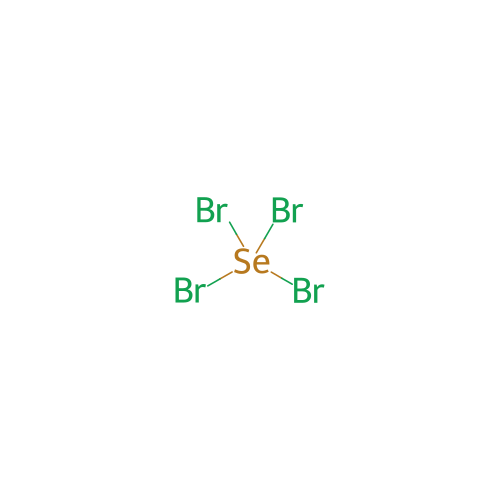
CAS 7789-65-3Formula Br4Se
GHS classification summary, not a safety data sheet (SDS). Classifications can differ by supplier, grade and concentration. Always check the supplier's SDS.
GHS classification
Pictograms, signal word and hazard classes of the GHS classification
Signal word
DangerHazard classes and categories
- Acute Tox. 3 (oral) + Acute Tox. 3 (dermal) + Acute Tox. 3 (inhalation)
- Acute Tox. 3 (oral)
- Acute Tox. 3 (dermal)
- Skin Corr. 1
- Acute Tox. 3 (inhalation)
- Carc. 2
- STOT RE 2
- Aquatic Acute 1
- Aquatic Chronic 1
Hazard statements
H codes grouped by type. Percentages show the share of classification notifications that report the statement
Health hazards
- H301 + H311 + H331Toxic if swallowed. Toxic in contact with skin. Toxic if inhaled.
- H301Toxic if swallowed.
- H311Toxic in contact with skin.
- H314Causes severe skin burns and eye damage.
- H331Toxic if inhaled.
- H351Suspected of causing cancer.
- H373May cause damage to organs through prolonged or repeated exposure.
Environmental hazards
- H400Very toxic to aquatic life.
- H410Very toxic to aquatic life with long lasting effects.
Precautionary statements
P codes for prevention, response, storage and disposal
Prevention
- P203Obtain, read and follow all safety instructions before use.
- P260Do not breathe dust, fume, gas, mist, vapours or spray.
- P261Avoid breathing dust, fume, gas, mist, vapours or spray.
- P262Do not get in eyes, on skin, or on clothing.
- P264Wash skin thoroughly after handling.
- P270Do not eat, drink or smoke when using this product.
- P271Use only outdoors or in a well-ventilated area.
- P273Avoid release to the environment.
- P280Wear protective gloves, protective clothing, eye protection and face protection.
Response
- P301 + P316If swallowed: Get emergency medical help immediately.
- P301 + P330 + P331If swallowed: Rinse mouth. Do not induce vomiting.
- P302 + P352If on skin: Wash with plenty of water.
- P302 + P361 + P354If on skin: Take off immediately all contaminated clothing. Immediately rinse with water for several minutes.
- P304 + P340If inhaled: Remove person to fresh air and keep comfortable for breathing.
- P305 + P354 + P338If in eyes: Immediately rinse with water for several minutes. Remove contact lenses, if present and easy to do. Continue rinsing.
- P316Get emergency medical help immediately.
- P318If exposed or concerned, get medical advice.
- P319Get medical help if you feel unwell.
- P321Specific treatment (see supplemental first aid instructions on the label).
- P330Rinse mouth.
- P361 + P364Take off immediately all contaminated clothing. And wash it before reuse.
- P363Wash contaminated clothing before reuse.
- P391Collect spillage.
Storage
- P403 + P233Store in a well-ventilated place. Keep container tightly closed.
- P405Store locked up.
Disposal
- P501Dispose of contents and container in accordance with local regulations.
Supplier safety data sheets
SDS documents uploaded by suppliers who list this chemical
No supplier has uploaded an SDS for Selenium tetrabromide yet. Suppliers usually send one with their quote. Request quotes
Safety questions
Quick answers about handling Selenium tetrabromide safely
Is Selenium tetrabromide hazardous?
Selenium tetrabromide carries the GHS signal word "Danger". Main hazards: toxic if swallowed. toxic in contact with skin. toxic if inhaled, toxic if swallowed, toxic in contact with skin. This summary is not an SDS, always read the supplier safety data sheet.
Which GHS pictograms apply to Selenium tetrabromide?
The GHS classification of Selenium tetrabromide shows 4 pictograms: GHS05 (corrosive), GHS06 (acute toxicity (severe)), GHS08 (serious health hazard), GHS09 (hazardous to the environment).
Where can I get the SDS for Selenium tetrabromide?
Ask the supplier for the safety data sheet of the exact grade you buy. Suppliers on CompoundList can attach their SDS to listings and send it with a quote. This page is a GHS classification summary, not an SDS.
GHS classification summary, not an SDS. Always check the supplier's SDS. Last updated 7 Oct 2026. Report an error
1 supplier
Free quotes, contact stays private